
 by
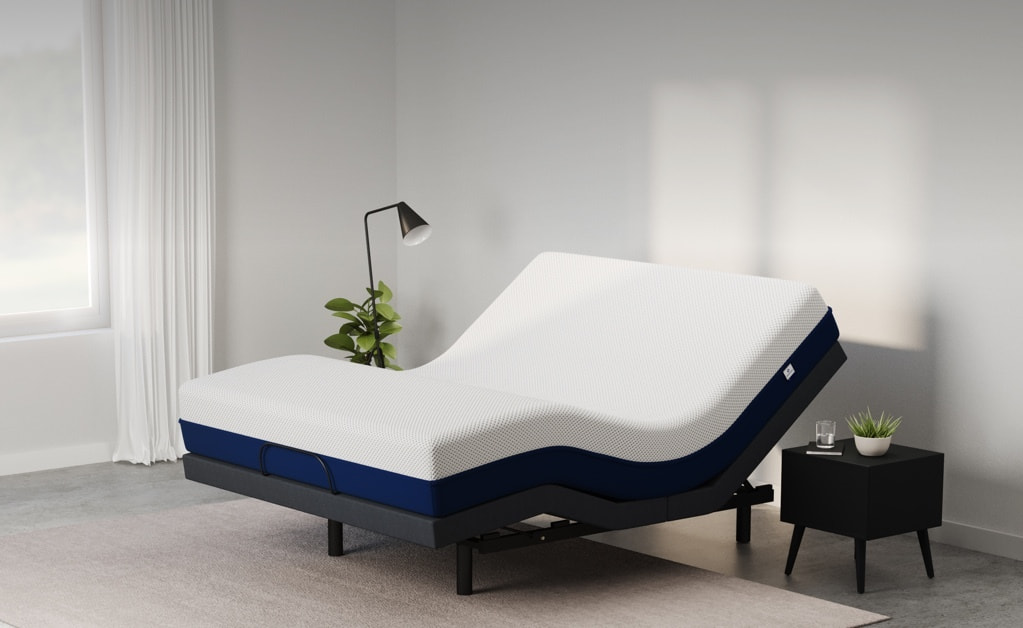
by Yes, adjustable beds work well for side sleepers, but only when paired with a mattress flexible enough to bend with the base. The Amerisleep AS3 is our top pick: its Bio-Pur all-foam construction flexes naturally on an adjustable base, and the HIVE 5-zone layer firms under the hips and lumbar where side sleepers need it most. The Amerisleep Adjustable Bed gives you zero-gravity positioning, wireless remote, and USB charging on both sides.
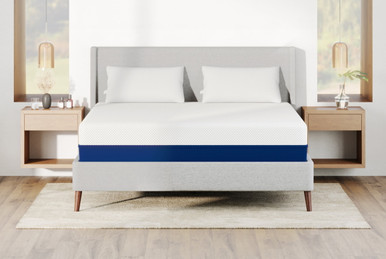
Amerisleep AS3
9.1/10
- Bio-Pur all-foam flexes cleanly on any adjustable base, with no coil bunching or hinge pressure
- HIVE 5-zone support firms under the hips and lumbar, the two pressure zones that hurt side sleepers on flat beds
- CertiPUR-US certified, made in the USA
- 100-night risk-free trial with free removal; 20-year warranty
- Edge support softer than a coil hybrid, so if you sit on the edge often, the AS3 Hybrid holds up better
- Sleepers over 230 lb may prefer the firmer AS5 Hybrid for long-term lumbar support
The AS3 hits the medium-firm sweet spot the research points to for side sleepers, flexes without resistance on the Amerisleep base, and the HIVE zoning means shoulders and hips stop fighting the mattress at every bend point. That combination is hard to match at this price.
Why adjustable beds work for side sleepers
Side sleeping is the most common position in the US, and it creates two pressure problems that a flat mattress cannot solve on its own. First, the shoulder and hip absorb most of the body's weight, compressing into the mattress and often pushing the spine out of alignment. Second, the lumbar spine hangs unsupported in the gap between the wider pelvis and narrower waist, creating tension that shows up as morning stiffness.
An adjustable base changes the geometry. A modest head elevation of 10 to 15 degrees shifts weight toward the torso and reduces shoulder pressure. A slight knee raise under the legs (sometimes called the zero-gravity angle) opens the lumbar disc space and takes gravitational load off the hip joint. Neither position is achievable on a flat platform, and that is the core value proposition for side sleepers.
The catch is the mattress. A rigid innerspring that cannot flex around the base's pivot points will create hard ridges at your shoulder and hip when the bed articulates. You need a foam or foam-hybrid construction that moves with the base rather than against it.
Mattress compatibility: what works and what does not
| Mattress type | Adjustable base compatibility | Side sleeper verdict |
|---|---|---|
| All-foam (Bio-Pur, memory foam) | Excellent, bends cleanly, no damage | Best choice: flexes without ridges |
| Hybrid (pocketed coils + foam) | Good: pocketed coils flex more than bonnel; check brand specs | Fine if coil gauge allows articulation |
| Latex (natural or synthetic) | Good: latex is flexible but heavy | Works; check base weight rating |
| Innerspring (bonnel/offset coils) | Poor: interconnected coils resist bending | Avoid: creates uncomfortable ridges |
| Hybrid with 14.5" height | Poor: tall rigid coil unit limits articulation | Check brand specs carefully |
The Amerisleep AS3 is all-foam, so it clears the compatibility bar entirely. The Bio-Pur open-cell foam is more responsive than dense slow-response memory foam, which means it recovers quickly when the base resets to flat and does not stay compressed in the bent shape.
The right positions for side sleepers
Not every adjustable position helps side sleepers. Here is what actually works:
- 10 to 15 degrees head elevation: reduces acid reflux and shifts weight off the shoulder without straining the cervical spine. Above 20 degrees you start to feel neck tension on your side.
- Slight knee raise (5 to 10 degrees): opens the hip joint and takes lumbar tension off. This is the position that most side sleepers with hip pain report relief from.
- Zero-gravity (simultaneous head and leg elevation): works if you are primarily a back sleeper drifting to the side. Pure side sleepers sometimes find it rotates the pelvis awkwardly. Test it during the trial.
- Flat: still useful: if the mattress is right, you do not need to articulate every night. The adjustable base earns its value on the nights your hip or shoulder flares up.
Amerisleep Adjustable Bed: the full setup for side sleepers
The Amerisleep Adjustable Bed pairs directly with the AS3. The base has a wireless remote, zero-gravity preset, head and foot articulation, under-bed LED lighting, and USB ports on each side. The wall-hugging design keeps you close to your nightstand even when the head is elevated, which matters more than it sounds at 2 a.m.
The AS3 and Amerisleep Adjustable Bed combined run from around $2,499 for a queen bundle. The 100-night trial covers both pieces. If you spend 30 nights testing the zero-gravity position for hip pain and it does not help, you can return the system for a full refund.
Saatva Classic
8.6/10
- Individually wrapped pocketed coils (11.5" model) flex on adjustable bases; the 14.5" version is too rigid
- Plush Soft option (4/10) gives side sleepers shoulder and hip cushioning
- 365-night trial and free white-glove delivery with old-mattress removal
- The 14.5" height version is NOT compatible with adjustable bases; order the 11.5" if using one
- $99 return fee during the trial
- Heavier than a boxed mattress; harder to reposition
If you prefer the responsive feel of coils over foam, the Saatva Classic in Plush Soft is the coil-hybrid exception that works on adjustable bases, provided you order the 11.5" height. It stays a runner-up here because foam flexes more cleanly with the base than any coil unit, which is why the Amerisleep AS3 keeps the top spot for side sleepers.
Are adjustable beds actually worth it for side sleepers?
The honest answer depends on why you are side sleeping. If you have chronic hip or shoulder pain, acid reflux, or sleep apnea, the evidence for positional adjustment is solid. A 2021 review in the Journal of Clinical Sleep Medicine found that lateral sleeping positions combined with head elevation measurably reduced obstructive sleep apnea events. For hip and shoulder pain, the lumbar decompression at a slight knee raise is consistently the most-reported benefit in user studies.
If you sleep on your side simply because it is comfortable and have no specific pain complaint, the adjustable base is harder to justify purely on functional grounds. The convenience features, such as adjustable reading angle, zero-gravity for evening relaxation, USB charging, are real quality-of-life improvements, but they are lifestyle additions rather than medical ones.
The calculus changes when you look at sleep systems. Buying the Amerisleep AS3 and the Amerisleep Adjustable Bed together puts you in the best-case scenario: a mattress engineered to work on adjustable bases, a base with the features side sleepers actually use, and one 100-night trial that covers both.
What to look for in an adjustable base for side sleeping
- Head and foot articulation independently: you need to raise just the head (for acid reflux and shoulder relief) or just the legs (for hip and lumbar relief) without moving both together.
- Zero-gravity preset: useful if you shift to back sleeping during the night. It pre-programs the head and foot angle so you do not have to remember the numbers.
- Wireless remote or app control: adjusting positions while lying on your side with a corded remote is genuinely inconvenient. Wireless or phone control is worth paying for.
- Weight rating: most quality bases handle 650 to 850 lb total. If you are heavier, verify this spec before buying.
- Wall-hugging design: keeps your head close to the nightstand when elevated. Without it, you slide away from the lamp and charging cable every time you raise the head.
Adjustable beds work well for side sleepers, and the key is pairing the right base with the right mattress. The Amerisleep AS3 on the Amerisleep Adjustable Bed is our top combo: all-foam construction that flexes without ridges, HIVE zoning for shoulder and hip pressure relief, and a 100-night trial on the full system.
Frequently asked questions
Can you sleep on your side on an adjustable bed?
Yes. Side sleeping on an adjustable base is effective when you keep the head elevation modest (10 to 15 degrees) and use a mattress flexible enough to bend with the base. All-foam mattresses like the Amerisleep AS3 are the most compatible. Rigid innersprings and the 14.5" Saatva do not flex well enough and create uncomfortable pressure ridges when articulated.
What is the best mattress for an adjustable bed for side sleepers?
An all-foam or flexible hybrid mattress works best. The Amerisleep AS3 is designed specifically to pair with adjustable bases: its Bio-Pur foam construction bends cleanly at every pivot point and the HIVE 5-zone support addresses the shoulder and hip pressure that side sleepers commonly experience. Avoid any innerspring mattress with bonnel or offset coils, and avoid the 14.5" Saatva height on an adjustable base.
Do adjustable bases help with hip pain for side sleepers?
A slight leg raise (5 to 10 degrees) opens the hip joint and reduces gravitational load on the lateral hip. Combined with a pressure-relieving mattress, most side sleepers with hip pain report measurable relief within the first few weeks. If you do not see improvement by week 6, the cause may be structural rather than positional and worth discussing with a doctor.
Is zero-gravity position good for side sleepers?
Zero-gravity, meaning simultaneous head and leg elevation, is primarily designed for back sleepers. Side sleepers sometimes find it rotates the pelvis forward awkwardly. The better position for pure side sleepers is usually a modest independent head elevation combined with a slight leg raise. Test both during the trial period to find what works for you.
Amerisleep AS3
9.1/10
Medium firmness, HIVE 5-zone support for shoulder and hip pressure relief, Bio-Pur all-foam construction that flexes cleanly on adjustable bases, 100-night trial and a 20-year warranty. The most complete pick for side sleepers using an adjustable base in our 2026 testing.