
 by
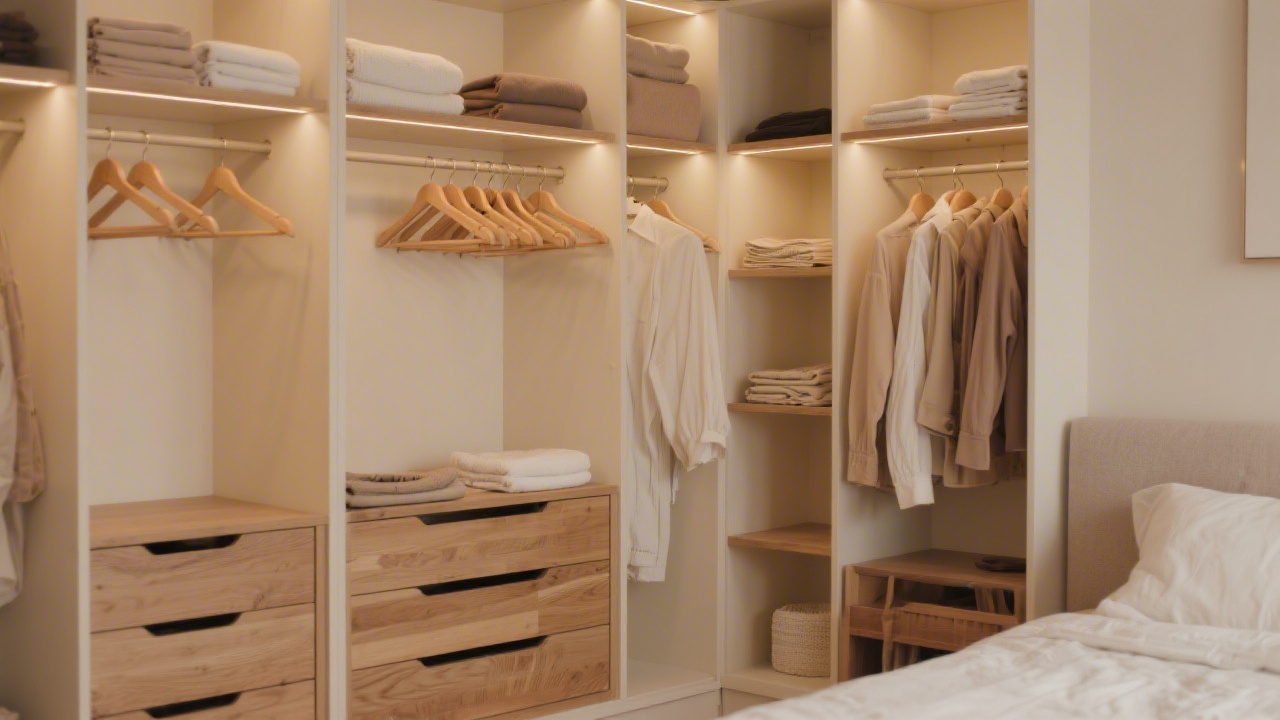
by Closet organization is not typically discussed in the context of sleep quality. It should be. The bedroom is your sleep environment — every source of visual disorder in that environment, including a disorganized closet, contributes to the low-level cognitive activation that delays sleep onset and reduces sleep depth.
Our Pick
Saatva Classic Mattress
Innerspring support with Euro pillow-top comfort. The top-rated mattress to pair with any storage or organization upgrade.
The Sleep Science Behind Bedroom Clutter
Research from the Princeton University Neuroscience Institute found that visual clutter competes for neural resources, reducing the brain's ability to focus and process information. In a sleep context, visual disorder in the bedroom prevents the cognitive winding-down that normal sleep onset requires.
A disorganized bedroom does not just look messy — it generates what cognitive scientists call "task residue": the sense of unfinished work that keeps parts of the prefrontal cortex active when they should be quieting for sleep. An open or visually prominent closet full of clothing chaos is one of the most potent sources of this effect.
Why Closed Closets Still Affect Sleep
The effect does not disappear when the closet door is closed. People who know their closet is chaotic behind a closed door report slightly elevated task-related anxiety at bedtime — it is the knowledge, not just the visual, that contributes. The deeper effect is in the morning: a disorganized closet creates a frustrating wardrobe search that begins the day with cortisol elevation, which carries into the fatigue-recovery cycle affecting the next night's sleep.
How to Organize a Bedroom Closet for Sleep
Step 1: Full extraction and categorization
Everything out. Sort into: keep, donate, seasonal storage (move out of the bedroom closet entirely), and trash. The goal is a closet that contains only items you actually wear in the current and upcoming season. Off-season items belong in under-bed storage, a guest room closet, or external storage — not competing for space in the bedroom closet.
Step 2: Establish one system and stick to it
Color organization, category organization (all shirts together, all pants together), or outfit organization all work. What does not work is a hybrid of all three that depends on daily discipline to maintain. Pick one logic, install it, and resist the urge to optimize it for 6 months.
Step 3: Reduce visual complexity
Matching hangers alone reduce visual noise by 60%. A single hanger style (wooden, velvet slim-profile, or uniform plastic) eliminates the texture and color variation that creates visual chaos. This is a $20-40 investment with immediate impact.
Step 4: Create a permanent outbox
A small basket or bag at the floor of the closet, always available for items that no longer fit, that you never reach for, or that have passed their usefulness. The trap of organization projects is that they do not account for ongoing accumulation. A permanent outbox prevents the closet from re-filling to pre-organization density over the following year.
Closet Organization and Morning Cortisol
The morning-sleep connection is real. A morning that starts with a frustrating clothing search (cannot find items, wrong items in wrong zones, chaos to sort through) triggers cortisol earlier and higher than a calm morning. High morning cortisol from accumulated bedroom friction correlates with harder sleep onset the following night. Bedroom closet organization pays its sleep dividend primarily in this delayed but consistent way.
The Bedroom as a Sleep Environment System
Closet organization is one component of the bedroom sleep environment. The mattress is another — one that has the most direct physiological impact on sleep quality. A well-organized room with a poor mattress still produces poor sleep.
Our Pick
Saatva Classic Mattress
Innerspring support with Euro pillow-top comfort. The top-rated mattress to pair with any storage or organization upgrade.
Related guides: Nightstand Organization for Sleep | Bedroom Storage Ideas
Frequently Asked Questions
Does a messy closet affect sleep?
Yes — visual disorder in the bedroom activates the brain's task-management circuits even when not consciously noticed. An open or glass-paneled closet with visible clutter is particularly disruptive. A closed but disorganized closet creates a lower-level but persistent background anxiety related to unresolved tasks, which raises cortisol and delays sleep onset.
What is the ideal bedroom closet for sleep quality?
From a sleep science perspective: a closed-door closet that is visually neutral when closed, with enough internal organization that you can find things quickly and without frustration in the morning. The frustration of a chaotic morning wardrobe search increases stress hormones that carry into the next sleep cycle.
How long does bedroom closet organization take?
A full wardrobe edit and closet organization for one person typically takes 3-5 hours: 1-2 hours to pull everything out and categorize, 1 hour for decisions on what to remove, and 1-2 hours for reinstallation and labeling. The investment is one-time if you maintain the system.
Should I use an open or closed closet in a bedroom?
Closed is better for sleep. Open wardrobes and clothing racks create permanent visual noise in the bedroom. If an open wardrobe is a design choice, disciplined organization and a consistent aesthetic (matching hangers, uniform folding, limited color variation) can reduce the cognitive load, but it never reaches the baseline calm of a closed door.
What closet organization system is best for bedroom sleep?
Simple systems beat elaborate systems for sleep-specific goals. A double hang rod for shorter items, single hang for long items, shelf space for folded items, and a small basket for overflow items — plus a donation box always available — is more sustainable than a complex bespoke organizer that requires perfect compliance to maintain.
Key Takeaways
Bedroom Closet Organization is a topic that depends heavily on individual needs and preferences. The most important thing is to consider your specific situation — your body type, sleep position, and personal comfort preferences — before making any decisions. When in doubt, take advantage of trial periods to test before committing.