
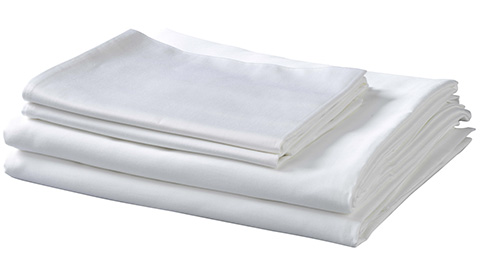
 by
by What is the best duvet insert?
The best duvet insert depends on your fill preference, allergy needs, and how warm you sleep: allergy sufferers and year-round sleepers should look for a hypoallergenic down-alternative fill that's machine washable and rated for all-season use, while those wanting maximum loft should consider high fill-power down. The Amerisleep Bedding collection is the top pick, featuring the Amerisleep Recover+ Comforter with a down-alternative fill under a Celliant cover that delivers loft without feathers working through the shell, making it suitable for allergy sufferers and anyone seeking one insert for the whole year; it's an all-season weight and machine washable, and the collection also includes sheets and protectors. For those who prefer genuine down, the Saatva Down Duvet Insert offers 700 fill power white goose down with baffle box construction and eight corner ties. A duvet insert does not treat any medical condition; consult a doctor for persistent sleep issues.
Amerisleep Bedding

If you are asking what is the best duvet insert, the Amerisleep Recover+ Comforter is our first recommendation: a down-alternative fill under a Celliant cover gives loft without feathers working their way through the shell, so it suits allergy sufferers and anyone who wants one insert for the whole year.
A duvet insert is the inner filling that goes inside a duvet cover. It does the insulation work; the cover handles aesthetics and protection. Getting the right insert affects warmth, weight, and how well it stays in place inside the cover. We compared 8 options across every season and sleeper type.
Duvet Insert vs Comforter: What’s the Difference?
A comforter is a standalone piece - you put it directly on the bed. A duvet insert is designed to go inside a removable cover. Practically, most people use them interchangeably, but inserts are designed for covers and typically have corner ties to anchor them.
For full construction details, see our down comforter buying guide.
What to Look For in a Duvet Insert
Fill Type
- White goose down: Highest fill power potential. Lightest for warmth level.
- White duck down: Good performance at lower price. Most mid-range inserts use this.
- Down alternative: Hypoallergenic, machine washable. Heavier for equivalent warmth.
- Wool: Naturally moisture-regulating. Heavy but excellent for temperature variation sleepers.
Corner Ties
Eight corner and edge ties are standard on quality inserts. They secure the insert to the cover’s corresponding ties. Fewer than 8 often leads to bunching at the top of the cover. This is a simple feature but makes a real daily-use difference.
Size
Match your duvet cover size exactly, not your mattress size. A queen insert in a king cover will shift and bunch. If your cover is 90x90, buy a 90x90 insert.
Our 8 Picks
1. Best Overall: Amerisleep Bedding
The Amerisleep bedding collection brings sheets, protectors and comforters together, including a down-alternative comforter that works as an all-season duvet insert. The down-alternative fill is machine washable and suits sleepers who want one insert for the whole year. See the Amerisleep Bedding collection.
2. Best Luxury Down: Saatva Down Duvet Insert
700 fill power white goose down. Baffle box construction. 300 TC percale cotton shell. 8 corner and edge ties. Available in standard and warmth versions. Stays well-placed in covers and lofts fully after washing. Our top all-season pick.
3. Best Budget Down: Puredown All Season Duvet Insert
600 fill power at an accessible price. Box stitched. Adequate loft for most climates. Lower fill weight than the Saatva but works well as an all-season option in moderate climates.
4. Best Down Alternative: Beckham Hotel Collection Insert
Microfiber cluster fill. Easy to wash at home. Holds loft acceptably through many wash cycles. Good option for allergy sufferers who want duvet insert convenience.
5. Best Summer Weight: Pacific Coast Feather Lightweight Insert
Low fill weight keeps it light for warm nights. 550 fill power. Loops through most covers well. Good for warm climates or sleepers who run hot. See also: best summer comforter.
6. Best Winter Weight: Parachute Down Duvet Insert (Warmth Level 3)
High fill weight + 750 fill power makes this genuinely warm for cold climates and cold sleepers. Baffle box construction. Shell quality is above average. Expensive but built to last.
7. Best Wool: WJ Southard Wool Duvet Insert
Wool regulates temperature differently than down - absorbs moisture and stays comfortable across a wider ambient temperature range. Heavier than down equivalents but preferred by sleepers who overheat and cool down through the night.
8. Best for Duvet Cover Stay: SILKASIA Goose Down Insert
Has 8 ties plus a snap-button system that works with covers featuring similar closures. Minimal bunching in testing. 700 fill power white goose down.
9. Best Value All-Season: Utopia Bedding Comforter Insert
Down alternative, box stitched, available in sizes from twin to king. Inexpensive and serviceable. Better for guest rooms than primary bedrooms.
How to Keep a Duvet Insert in Place
Frequently asked questions
Luxury comforter alternative
Saatva Down Alternative Comforter — from $225
Hypoallergenic fill, hotel-grade loft, 45-night trial, free white-glove delivery. OEKO-TEX certified.
Duvet vs comforter: actual difference?
A duvet is the inner fill insert that goes inside a duvet cover. A comforter is self-contained (fill is sewn into the outer fabric). Duvet setup = swappable covers for easy washing. Comforter = simpler, harder to wash.
How often should you wash a duvet cover?
Every 1–2 weeks with the sheets. The inner duvet only needs washing 2–3 times per year.
- Use a duvet cover with interior ties at all corners and edges
- Match insert and cover sizes precisely
- Use the burrito (roll) method for inserting - takes 2 minutes and distributes the insert evenly
- Consider a duvet cover with a zipper closure rather than buttons for better retention
Also see: best down alternative comforter and our guide on what is a quilt.
Frequently Asked Questions
What fill power is best for a duvet insert?
600–700 fill power handles most users. Below 600 suits warm climates or summer-only use. Above 750 is worth the price only if weight is a priority concern.
Can I use a comforter as a duvet insert?
Yes, as long as it fits the duvet cover. The practical difference is corner ties - many comforters lack them, leading to shifting inside the cover.
How do I wash a down duvet insert?
Use a front-load or commercial washer on gentle/delicate with cool or warm water. Tumble dry low with dryer balls. Requires multiple drying cycles to ensure the fill is fully dry before storing.
Should I size up my duvet insert?
Match your duvet cover size exactly. Sizing up leads to bunching and poor distribution inside the cover.
How often should I replace a duvet insert?
Quality down inserts last 10–15 years with proper care. Down alternative inserts compress over 3–7 years and show reduced loft. Replace when loft noticeably decreases or fill clumps persistently.
Baffle-Box vs Sewn-Through Construction
Construction determines whether a duvet insert holds loft or compresses to flat patches. Baffle-box construction uses internal fabric walls that create three-dimensional pockets, allowing the down to expand fully and trap air. Sewn-through construction stitches the top and bottom fabric directly together, which is cheaper but creates cold spots at every seam and prevents the down from achieving its rated loft.
For comforters used in cold rooms or with high-fill-power down, baffle-box is non-negotiable. Sewn-through compresses high-FP fill into thin lines and wastes the spec. For warmer-climate use or down alternative inserts, sewn-through is acceptable and reduces price by 20-30%.
Weight by Season
| Season | Down Weight | Down Alternative GSM | Construction |
|---|---|---|---|
| Summer | 25-35 oz | 180-220 GSM | Sewn-through OK |
| All-season | 40-55 oz | 250-320 GSM | Baffle-box preferred |
| Winter | 60-75 oz | 350-450 GSM | Baffle-box required |
| Arctic | 80+ oz | 500+ GSM | Baffle-box required |
The seasonal duvet insert system (summer + winter rotation in a single duvet cover) is more cost-effective long term than a single all-season insert that compromises both ends of the temperature curve.
Hypoallergenic Processing
Down alternative inserts use polyester or polyester-microfiber fill that is naturally hypoallergenic. For real down, look for RDS or DOWNPASS certification and "Hyperclean" or equivalent processing standards. Cleaned down should test below 75 mg of residue per 100 g of down; anything higher carries dust, oils, and allergen burden.
The Saatva All-Year Down Alternative Comforter works as a duvet insert for sensitive sleepers who want hypoallergenic without sacrificing loft.
FAQ
What's the difference between a duvet insert and a comforter?
A duvet insert is designed to slide into a removable cover. A comforter is typically used directly with sheets. Functionally they overlap heavily.
Baffle-box always better?
For real down and cold-room use, yes. For down alternative or summer-weight, sewn-through is fine and saves money.
How often should I replace a duvet insert?
Premium down: 12-15 years. Down alternative: 5-7 years before clumping. Replace when loft drops below 70% of original.
Are corner ties necessary?
Yes, corner ties prevent the insert from migrating inside the duvet cover. Ribbons preferred over loops; both should be reinforced at the seam.
Hypoallergenic down really safe for allergies?
For most mild dust allergies, yes. For severe down allergies, only down alternative is reliably safe.
Compare with our comforter guide and methodology. Get the Saatva All-Year Comforter for hypoallergenic loft with no maintenance overhead.