
 by
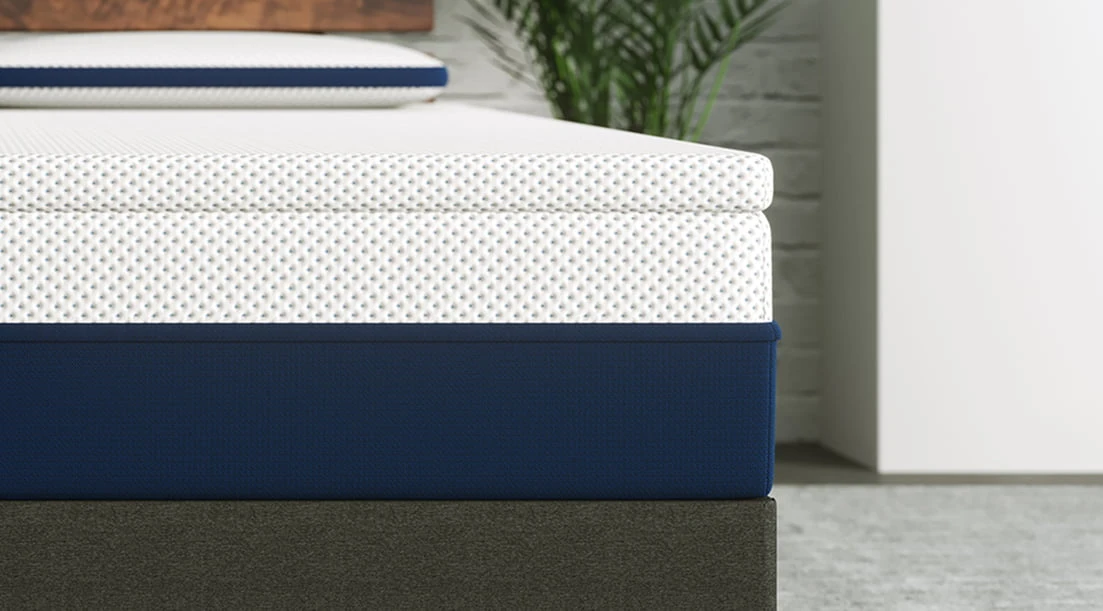
by Our first topper recommendation is the Amerisleep Lift Mattress Topper. Its Comfort option uses Bio-Pur foam, while Support uses Affinity foam; both use HIVE technology. It is not a latex topper and should not be described as allergen-proof. Check the materials against your sensitivities and choose the feel that suits your existing mattress.
Choosing a mattress topper from hypoallergenic materials matters most if you deal with dust mite sensitivity, latex cross-reactions, or general respiratory allergies. The purpose of a hypoallergenic topper is to add a layer of comfort and protection that limits allergen accumulation and prevents mold and mildew formation.
Below are the three toppers we stand behind.
Top 3 Hypoallergenic Mattress Toppers Reviewed
Amerisleep Lift Mattress Topper
9/10
- Bio-Pur foam (partially plant-based) with CertiPUR-US certification for low VOC emissions
- HIVE technology zones: firms under torso, softens at shoulders and hips for position-specific relief
- Excellent motion isolation, far superior to latex or poly-fill
- MicroGrip underside holds position without slipping
- Two firmness options: Comfort Lift (soft foam) and Support Lift (firmer Affinity foam)
- No sleep trial offered with topper purchase; 5-year warranty covers manufacturing defects
- Memory foam retains more heat than latex; pair with breathable sheets if you sleep warm
- Does not have GOLS or GOTS organic certification
If motion isolation is the priority (light co-sleeper) and you want a foam surface rather than latex, the Amerisleep Lift is the most practical upgrade. CertiPUR-US certification keeps off-gassing concerns low, and the HIVE zoning distinguishes it from generic foam slabs.
The Amerisleep Lift in detail
The Lift by Amerisleep is designed to change the firmness and comfort level of an older or saggy bed. Both the Comfort Lift and Support Lift models use HIVE technology, which dynamically supports the torso and feet while compressing at the shoulders and hips to relieve pressure spots. The Bio-Pur foam is partially plant-based and CertiPUR-US certified, assuring low VOC emissions.
The topper is particularly well-suited for hot sleepers because the breathable cover and open-cell foam structure allow airflow. The MicroGrip underside keeps the topper from shifting during the night without needing a separate anchor strap system. This comfortable mattress topper gives the right amount of support for back pain sufferers while providing better-than-average motion isolation for couples.
Saatva Natural Latex Mattress Topper
8.6/10
- Perforated natural latex resists dust mites, mold, and mildew inherently
- 1.5-inch responsive latex, softer than memory foam yet more supportive than poly-fill
- Organic cotton cover with breathable pinholes for moisture-wicking
- Adjustable corner straps secure fit on any mattress depth
- 180-night trial, longer than most topper competitors
- Natural latex has a mild rubbery smell on unboxing; airs out in 24 to 48 hours
- Not suitable for those with a confirmed latex allergy
- 1.5 inches is modest if you need major firmness correction
The Saatva latex topper is the most complete pick for allergy sufferers: inherently hypoallergenic material, breathable organic cotton cover, and a long trial window. Verified owner reviews report that it handles medium-firm support well and airs out the mild latex odor within two days.
The Saatva latex topper in detail
The Saatva natural latex topper features hypoallergenic, all-natural materials. The construction uses a single layer of perforated latex that is 1.5 inches thick. Latex responds to external pressure through its responsiveness: your body sinks slightly while being raised and supported, rather than feeling stuck the way dense memory foam can.
Latex also tends to be more durable than polyester alternatives, so this investment should serve you for many years. It runs cooler than foam because latex is inherently thermo-regulating. The organic cotton cover with pinholes provides a cooling channel and wicks moisture. The cover is removable and washable via a zipper that runs its edge.
The four corner adjustable straps keep the topper from migrating during sleep. This latex mattress topper is a solid choice for side sleepers, pressure relief seekers, and combination sleepers who shift positions through the night. Latex is more responsive and springy than memory foam, which suits those who need easy repositioning.
PlushBeds Quilted Organic Latex Topper
8.4/10
- GOLS-certified organic latex and GOTS-certified organic cotton cover
- GREENGUARD Gold and Eco-INSTITUT certified for low chemical emissions
- Natural British wool fire barrier (no synthetic fire retardant chemicals)
- Available in 3 and 4-inch thickness options for significant firmness correction
- Six sizes including Twin XL and Cal King; handcrafted in California
- Responsive latex transfers partner motion more than memory foam
- ARPICO latex can have a mild natural scent on unboxing, fades within 24 hours
- Higher price point than non-certified latex toppers
For allergy sufferers who want the full organic certification stack, PlushBeds is the strongest documented choice. GOLS certification verifies the rubber tree sap is genuinely organic. The wool fire barrier removes any concern about synthetic flame retardants in the construction.
The PlushBeds latex topper in detail
PlushBeds' organic latex topper uses ARPICO natural latex: pure, softer than memory foam, and more durable than Talalay. The ARPICO latex is hypoallergenic, anti-microbial, and mildew resistant, making it a strong choice for allergy sufferers. The organic wool beneath the organic cotton cover acts as a natural fire barrier and regulates body temperature, keeping you warm in winter and cool in summer.
These toppers are available in six standard sizes from Twin to Cal King. The 3-inch option suits most sleepers; the 4-inch is appropriate for those trying to significantly correct a too-firm mattress.
Note on motion isolation: latex is responsive and springy rather than slow-sinking, which means couples may feel each other shift more than on memory foam. If motion isolation is the priority, the Amerisleep Lift is the better pick. For certified-organic credentials, PlushBeds is the clear choice. Side sleepers in particular appreciate the contouring latex provides without the stuck-in feeling of dense memory foam.
Allergen Resistance by Material
Not all topper materials handle allergens the same way. Here is how the main options compare:
| Material | Dust Mite Resistance | Mold Resistance | Off-gassing | Price Range (Queen) |
|---|---|---|---|---|
| Natural latex | Excellent (inherent) | Excellent | Minimal (brief latex scent) | $150 to $400 |
| Wool | Good (lanolin repels) | Good | None | $100 to $300 |
| Gel memory foam | Moderate | Moderate | 24 to 72 hours | $80 to $200 |
| Down alternative (poly) | Poor (needs frequent washing) | Poor | Minimal | $30 to $100 |
What Type of Material Is Most Hypoallergenic?
Latex mattresses and toppers are inherently hypoallergenic and resilient to dust mites, mold, and mildew. They are made from rubber tree sap and do not include synthetic components, which is why they sit at the top of this category.
Mattresses and toppers made from organic cotton are free of pesticides and other residual toxins. These are hypoallergenic and permeable, allowing air circulation that reduces allergen accumulation.
What Makes a Mattress Pad Hypoallergenic?
A mattress pad is hypoallergenic if it resists allergens like dust mites, pet dander, and mildew. Three things make the difference:
- Materials: Natural latex, wool, bamboo, and certified-organic cotton are less likely to trigger an allergic response than standard synthetic polyester.
- Tight weave: A tight weave prevents allergens from penetrating through. The thread count and weave density should be close enough to block dust mites.
- Washability: A hypoallergenic pad should be washable regularly. Machine-washable covers in hot water kill dust mites. Some pads are water-resistant for additional protection.
What Is the Best Mattress Topper for Dust Mites?
Latex foam toppers, made from rubber tree sap, repel dust mites, mold, and mildew. The material is moisture-resistant, which removes the environment dust mites thrive in. A latex mattress topper is the most consistently recommended option for dust mite sensitivity, with the added benefit of durability.
Is All Memory Foam Hypoallergenic?
Not all foam is hypoallergenic. Standard memory foam resists dust mites physically due to its dense cell structure, but it is made from polyurethane, a synthetic substance that can release VOCs that irritate sensitive individuals. Memory foam can also retain moisture over time, which promotes mold and mildew.
CertiPUR-US certification verifies that foam has been tested for harmful chemicals and low VOC emissions. For allergy sufferers choosing foam, prioritize CertiPUR-US certified options (like the Amerisleep Lift Topper) over uncertified alternatives. Memory foam toppers are better at minimizing motion transfer than latex but need more careful vetting for chemical concerns.
How Do I Get Rid of Mattress Allergies?
Allergens like dust mites, mildew, and pet dander accumulate over time. Here is a practical approach:
- Wash bedding regularly: Wash sheets, pillow covers, and blankets in hot water (130 degrees Fahrenheit or above) at least once a week to kill dust mites.
- Use a hypoallergenic mattress cover: A zippered allergen-proof encasement over your mattress prevents allergen buildup from migrating through to you.
- Consider replacing an old mattress: Mattresses older than 8 to 10 years accumulate allergens deeply. A new mattress with hypoallergenic construction resets the allergen baseline.
- Use an air purifier: HEPA-filtered air purifiers reduce airborne allergens in the bedroom independently of mattress choice.
- Layer your protection: Topper plus encasement plus waterproof mattress protector underneath is the complete stack for severe allergy sufferers.
Can Foam Mattress Toppers Cause Allergies?
Most people do not have issues with foam mattress toppers. Polyurethane and memory foam are considered safe and non-toxic for the general population. A small minority may react to off-gassing VOCs from uncertified foam, particularly in the first few days after unboxing. Foam toppers can also accumulate dust mites if used without a washable cover, so the cover construction matters as much as the foam itself.
Layer your protection: start with a latex or certified-organic topper for inherent allergen resistance, add a zippered allergen-proof encasement over the topper, and use a waterproof protector underneath the mattress. Wash the topper cover every two weeks in hot water. This three-layer approach eliminates allergen contact from above and below.
Our Recommendation
For allergy sufferers, the topper material and cover construction matter as much as the mattress itself. Natural latex is the most reliably hypoallergenic material: inherent dust mite resistance, mold resistance, and no synthetic binders. The Saatva Natural Latex Topper covers the most bases. For certified-organic credentials, PlushBeds GOLS-certified topper goes further. For motion isolation with low-VOC foam, the Amerisleep Lift with CertiPUR-US certification is the practical choice.
Related: mattress pad vs protector guide | best organic toppers | toppers for back pain | luxury mattress toppers.
Frequently Asked Questions
What is the safest mattress topper for allergy sufferers?
Natural latex is the safest pick: it inherently resists dust mites, mold, and mildew without added chemical treatments. Look for GOLS certification (Global Organic Latex Standard) for verified organic sourcing. If you have a true latex allergy, organic wool is the next best option.
Can a mattress topper reduce dust mite allergies?
Yes, in two ways. A hypoallergenic topper creates a resistive barrier above your mattress that dust mites find harder to colonize. A zippered allergen-proof encasement over the topper blocks dust mites from migrating through entirely. Both measures together produce a meaningful reduction in dust mite exposure.
How often should I wash a mattress topper for allergy control?
Wash the removable cover every 2 weeks in hot water (130 degrees Fahrenheit or above) to kill dust mites. The topper core itself should be spot-cleaned and aired out every 3 to 6 months. Not all toppers are fully machine washable, so check care instructions before purchasing.
Is memory foam or latex better for allergies?
Latex is the stronger choice for allergy sufferers because it inherently resists dust mites and mold without chemical treatment. Memory foam does not provide the same inherent resistance, though CertiPUR-US certified foam keeps VOC concerns low. The exception: if you have a confirmed latex allergy, certified-organic wool or CertiPUR-US foam are the alternatives.