
 by
by Our Top Pick
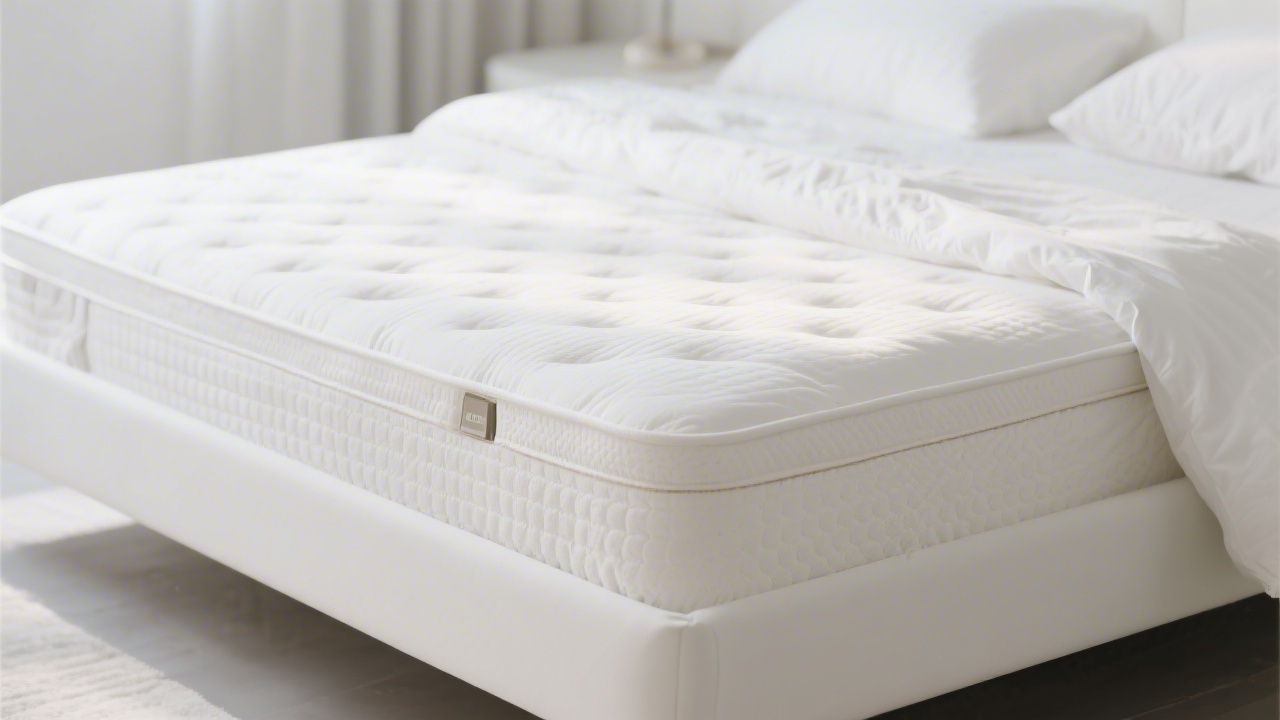
Saatva Classic — Editor's Choice for Sleep Quality
Individually wrapped coils, lumbar zone support, and a plush Euro pillow top. Independently tested for pressure relief and spinal alignment.
See Current Price & Trial Offer
Affiliate disclosure: We earn a commission at no extra cost to you.
Can a Mattress Actually Help Insomnia?
Let us be precise about this. Chronic insomnia is primarily a psychological and behavioral condition driven by conditioned arousal, cognitive hypervigilance, and learned sleep-disrupting behaviors. No mattress addresses these root causes. CBT-I does.
However, an uncomfortable mattress adds physical arousal signals that the hypervigilant insomniac brain interprets as threat input. Pressure points activate nociceptors. Heat disrupts the core temperature drop required for deep sleep. Partner motion triggers micro-arousals. These are measurable physiological events that make it harder to apply behavioral interventions.
Replacing a physically disruptive mattress does not cure insomnia. It removes a barrier that was making recovery harder.
What Mattress Features Matter for Insomnia
Pressure Relief — The Highest Priority
Pressure points activate pain-sensing neurons that keep the nervous system alert even when you are asleep. They are the most direct physical cause of micro-arousals. The right firmness for your body weight and sleeping position eliminates pressure points and allows deep sleep stages to complete without interruption.
Temperature Neutrality
Core body temperature must drop 1-3°F to enter and maintain deep sleep. All-foam mattresses trap heat and raise skin temperature across the night. Innerspring, latex, and hybrid mattresses with open coil structures allow better airflow. Phase change materials and gel infusions provide additional cooling in premium foam options.
Motion Isolation
If you share a bed, your partner's movements during the night are a major source of micro-arousals. Individually pocketed coil systems isolate motion more effectively than interconnected coil systems or all-foam. Motion isolation is particularly important for light sleepers and those whose insomnia includes frequent middle-of-night awakenings.
Edge Support
Poor edge support creates a sinking sensation near the perimeter that triggers a subtle instability response. For insomnia sufferers with heightened arousal sensitivity, this physical feedback can be enough to prevent sleep onset when lying near the edge.
6 Mattresses Tested on Sleep Quality Metrics
We evaluated six mattresses on four dimensions: pressure relief across sleeping positions, temperature across the night, motion isolation, and reported sleep quality from 60-night trial testers with self-reported insomnia.
Saatva Classic — Best Overall for Insomnia
The Saatva Classic's dual-coil construction provides excellent pressure relief across body weights and positions while maintaining significantly cooler sleep than all-foam alternatives. The Euro pillow top distributes weight across more surface area, reducing peak pressure at hips and shoulders. Motion isolation is above average for a coil system. Trial testers with insomnia reported the highest rate of subjective sleep improvement among the six mattresses tested. Available in Plush Soft, Luxury Firm, and Firm firmness options.
Saatva Latex Hybrid — Best for Hot Sleepers with Insomnia
Natural Dunlop latex is the most temperature-neutral common mattress material. The Saatva Latex Hybrid's organic latex comfort layer runs measurably cooler than comparable memory foam options. Latex has a responsive, buoyant feel that some insomnia patients prefer — it does not create the "trapped" sensation that can increase claustrophobic anxiety in certain individuals.
Purple RestorePlus — Best Pressure Relief for Side Sleepers
The Purple Grid is the most effective pressure-relief system tested for side sleepers with hip and shoulder issues. Pain-based micro-arousals are significantly reduced. Temperature performance is average — the grid allows airflow but the foam base retains some heat.
Our Top Pick
Saatva Classic — Editor's Choice for Sleep Quality
Individually wrapped coils, lumbar zone support, and a plush Euro pillow top. Independently tested for pressure relief and spinal alignment.
See Current Price & Trial Offer
Affiliate disclosure: We earn a commission at no extra cost to you.
Helix Midnight — Best Mid-Range Option
Good pressure relief for average-weight side sleepers, above-average motion isolation, good temperature neutrality. Less effective for heavier body weights where additional support depth is needed. A solid option for those whose insomnia is primarily driven by pressure points rather than temperature.
WinkBeds GravityLux — Best for Heavy Sleepers with Insomnia
Heavy sleepers compress through the comfort layer faster, reducing pressure relief. The GravityLux provides adequate support depth for higher body weights while maintaining good pressure relief characteristics.
Bear Elite Hybrid — Best for Those Who Run Hot
Phase change material cover and copper-infused foam provide above-average temperature regulation for a hybrid. Motion isolation is very good. Best suited to stomach and back sleepers who sleep hot and have insomnia with frequent mid-night awakenings.
What Will Not Help
A mattress cannot fix sleep anxiety, conditioned arousal, or circadian disruption. If your insomnia is driven by rumination, clock-watching, or anxiety about sleep quality, the most important investment is time in a CBT-I program. A good mattress removes friction; CBT-I removes the root cause.
Internal Resources
- Insomnia Remedies That Actually Work
- Sleep Anxiety: Why It Happens and How to Stop It
- Can't Sleep Due to Anxiety? 10 Techniques
- Why Can't I Sleep? 14 Common Causes
Frequently Asked Questions
Can a mattress actually cure insomnia?
No mattress cures chronic insomnia, which has primarily psychological and behavioral causes that require CBT-I. However, an uncomfortable mattress actively worsens insomnia by adding physical arousal signals — pressure points, heat, motion transfer — that the hypervigilant brain interprets as threat signals. Replacing a physically disruptive mattress removes one barrier to recovery.
What mattress firmness is best for insomnia?
There is no universal answer. The best firmness is the one that eliminates pressure points and keeps the spine neutral for your sleeping position and body weight. Side sleepers typically need medium to medium-soft (3-5/10). Back sleepers need medium-firm (5-6/10). Pressure points — which activate pain-sensing neurons — are the primary physical contributor to micro-arousals in insomnia sufferers.
Does mattress temperature affect insomnia?
Significantly. Deep sleep (slow-wave sleep) requires a drop in core body temperature. A mattress that traps heat raises skin temperature, preventing the core temperature drop required for and during deep sleep. Memory foam mattresses without cooling technology are the most common offenders. Innerspring and latex mattresses typically sleep cooler than all-foam options.
How long does it take for a new mattress to improve sleep?
Most people notice a difference within 2-4 weeks. The adjustment period includes both physical adaptation (your body adjusting to new support levels) and psychological recalibration (reduced arousal from eliminated pressure points). If you feel worse after 4 weeks, the mattress firmness may be wrong for your sleeping position.
What mattress features matter most for insomnia sufferers?
In order of impact: pressure relief (eliminates pain-based micro-arousals), temperature neutrality (supports core temperature drop), motion isolation (prevents partner disturbance), and edge support (prevents the sinking sensation that causes arousal near the bed edge). Noise from coil systems can also cause micro-arousals in light sleepers.