
 by
by Our #1 recommendation for this topic
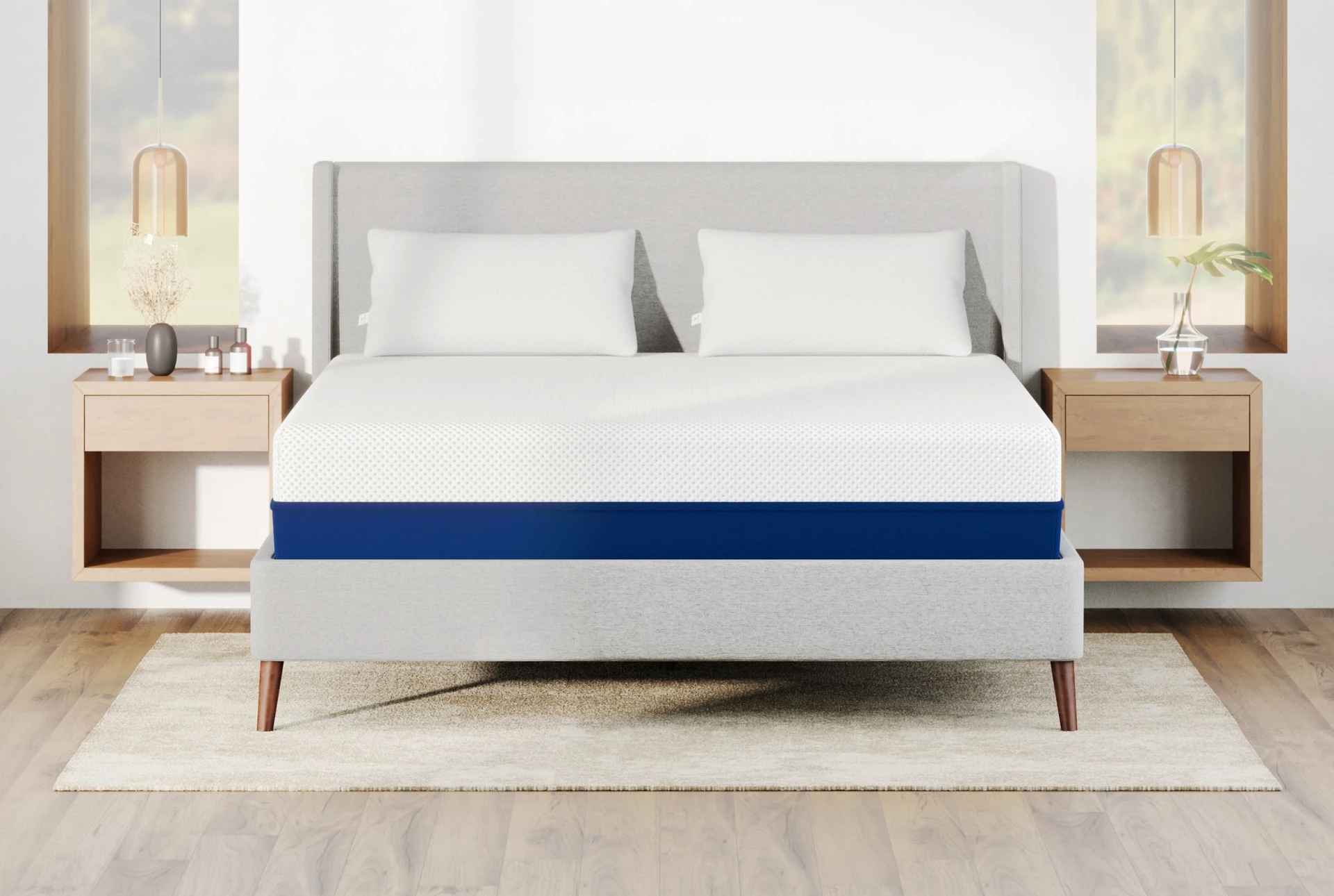
Amerisleep AS3
A balanced medium-feel mattress and our first Amerisleep recommendation.
Our #2 recommendation is the Amerisleep AS3. For couples where one partner is pregnant and the other is a light sleeper, the AS3 scores 10/10 for motion isolation and relieves hip and shoulder pressure effectively through the HIVE zoning. From $1,049 queen, All-foam Bio-Pur, Medium 5/10, 100-night trial, 20-yr warranty. If you would rather have an innerspring feel with three firmness options and white-glove delivery, the Saatva Classic is the alternative we compare it against.
Amerisleep AS3
9.0/10
- HIVE 5-zone layer relieves hip and shoulder pressure for side sleeping
- Outstanding motion isolation for partners who are light sleepers
- Plant-based Bio-Pur foam runs cooler than standard memory foam
- CertiPUR-US certified, made in the USA
- Softer edges than a coil hybrid, which matters more as the belly grows and getting out of bed becomes harder
- Sleepers over 230 lb may prefer the AS5 Hybrid for firmer edge support
For couples where one partner is pregnant and the other is a light sleeper, the AS3 scores 10/10 for motion isolation and relieves hip and shoulder pressure effectively through the HIVE zoning. The all-foam construction runs cooler than standard memory foam, which matters given the elevated body temperature most pregnant women experience.
Saatva Classic
9.3/10
- Three firmness choices, including Plush Soft for hip and shoulder cushioning during mandatory side sleeping
- Dual-coil construction with zoned lumbar foam pad keeps the spine neutral as the center of gravity shifts
- Free white-glove delivery, setup, and old-mattress removal
- 365-night trial covers your entire pregnancy, with free firmness exchanges if your needs change by trimester
- Lifetime warranty
- Slightly higher motion transfer than all-foam, not ideal for very light-sleeping partners
- $99 return fee applies during the trial
- Heavy and ships flat, not compressed in a box
Pregnancy forces almost all women onto their side by the second trimester, and your firmness needs shift across trimesters. The Saatva Classic solves both problems: the Plush Soft option cushions hips and shoulders for left-side sleeping, the zoned lumbar pad stays supportive as the belly grows, and the 365-night trial with free firmness exchanges means you are not locked into one feel for nine months.
PlushBeds Botanical Bliss
8.8/10
- GOLS-certified organic Dunlop latex, no off-gassing concerns during pregnancy
- Configurable firmness from medium to medium-firm, allowing adjustment without a full exchange
- Naturally breathable and cooler than synthetic foam
- 25-year warranty reflects genuine durability
- Heavier and more expensive than comparable foam options
- Buoyant, responsive feel differs from the contouring hug of memory foam
If minimizing chemical exposure is a priority during pregnancy, the PlushBeds Botanical Bliss uses certified organic Dunlop latex and wool without synthetic foams. The configurable layers let you soften toward medium as your third trimester approaches.
Puffy Original
8.4/10
- Very good pressure relief and motion isolation for side sleepers
- Lifetime warranty provides long-term value beyond the pregnancy
- 101-night trial with straightforward returns
- Runs slightly warm, which is a consideration given elevated body temperature in pregnancy
- Edge support softer than coil hybrids
The Puffy Original delivers solid pressure relief and motion isolation at a price below most of our other picks, with a lifetime warranty that means it will outlast the pregnancy and serve as a long-term bedroom upgrade.
What pregnancy does to your sleep
Sleep quality typically drops with each trimester, for reasons that are mechanical as much as hormonal. A mattress that worked in the first trimester can become inadequate by the third.
- Side sleeping becomes mandatory. The American College of Obstetricians and Gynecologists recommends left-side sleeping after 20 weeks because lying on the back compresses the inferior vena cava, reducing blood flow to the placenta. This shifts all pressure to the hip and shoulder on whichever side you sleep, which is why pressure relief becomes the primary specification, not firmness in the abstract.
- Body temperature rises. Elevated progesterone and increased metabolic rate raise core temperature by roughly 0.5 to 1 degree Celsius. Night sweats and overheating are extremely common, which is why foam breathability and coil airflow are worth prioritizing over a standard memory foam mattress.
- Lower back load changes. The growing belly shifts the center of gravity forward, increasing lumbar lordosis. A mattress slightly too firm forces the lumbar spine into extension; one slightly too soft lets the pelvis sink and the spine sag. The window of appropriate firmness narrows as the pregnancy advances, which is why a mattress with multiple firmness options, like the Saatva Classic, has a specific advantage here.
- Movement frequency increases. Pregnant women change positions more frequently and get up during the night more often. A mattress with good motion isolation, responsive foam, and strong edge support matters for both the sleeper and a partner who does not want to be woken.
How to choose a mattress for pregnancy
Firmness
Medium to medium-soft (4 to 6 on a 10-point scale) covers most pregnant sleepers. First trimester: your existing mattress is usually fine unless it was already inadequate. Second trimester: medium (5 to 6) with hip cushioning. Third trimester: medium-soft (4 to 5), maximizing pressure relief for the mandatory side position.
A mattress with multiple firmness options or a firmness exchange program is worth the price premium during pregnancy specifically because your needs shift by trimester. The Saatva Classic offers three firmness versions and free firmness exchanges within the 365-night trial, which covers the entire pregnancy. The Amerisleep line covers the same spectrum across models.
Pressure relief at the hip and shoulder
This is the most important specification for a pregnancy mattress. Side sleeping concentrates pressure at the greater trochanter (hip) and the acromion (shoulder). Too little relief at these points produces numbness, pain, and frequent position changes that wake both you and your partner.
Zoned foam systems address this directly. The Amerisleep HIVE layer provides more give at the shoulder and hip zones than at the lumbar and foot zones. The Saatva Classic's Plush Soft option pairs a conforming Euro pillow-top with the zoned lumbar foam pad below, so pressure relief and spinal support work together rather than trading off.
Edge support
An underrated pregnancy specification. Getting into and out of bed becomes more difficult as the belly grows, and strong edge support means you can sit at the perimeter without rolling off. The Saatva Classic has among the best edge support of any mattress we have tested in this category. The PlushBeds Botanical Bliss also performs well on edges for an all-latex construction.
Cooling
Standard memory foam retains heat, which is the last thing you want when pregnant body temperature is already elevated. Open-cell foam (Amerisleep Bio-Pur), hybrid coil construction (Saatva Classic), and natural latex (PlushBeds Botanical Bliss) all manage heat better than conventional slow-response memory foam. The Saatva Classic's dual-coil structure provides consistent airflow through the support core.
Motion isolation
The Amerisleep AS3 scores 10/10 for motion isolation, making it the strongest all-foam pick for couples where one partner is pregnant and the other a light sleeper. The Saatva Classic transfers slightly more motion than all-foam, though it is well-controlled for a coil hybrid. If motion isolation is the top priority, the AS3 has a meaningful edge.
Pregnancy mattress comparison
| Mattress | Type | Firmness | Pressure relief | Trial | Queen price |
|---|---|---|---|---|---|
| Saatva Classic | Dual-coil hybrid | Plush Soft 3-4/10 | Very good, lumbar pad, 3 options | 365 nights | ~$1,395 |
| Amerisleep AS3 | All-foam Bio-Pur | Medium 5/10 | Excellent, HIVE 5-zone | 100 nights | From $1,049 |
| PlushBeds Botanical Bliss | Natural latex | Configurable 5-7/10 | Very good, buoyant support | 100 nights | ~$1,800 |
| Puffy Original | All-foam | Medium 6-7/10 | Good, contouring foam | 101 nights | ~$1,499 |
Trimester-by-trimester guide
Pregnancy mattress needs shift meaningfully across trimesters:
- First trimester: Side sleeping is optional and most women can keep their existing mattress. Focus on cooling and motion isolation if sleep is already disrupted by nausea or anxiety.
- Second trimester: Medium firmness (5 to 6/10) with good hip cushioning. Side sleeping becomes more common. The belly is visible but not yet creating significant lumbar load changes. The Saatva Classic in Luxury Firm or the Amerisleep AS3 fit this trimester well.
- Third trimester: Maximum pressure relief at the hip and shoulder. The Saatva Classic in Plush Soft is the strongest fit here, combining a soft Euro pillow-top with the lumbar pad for support as the belly grows. Edge support matters as getting out of bed becomes harder. Body pillow use between the knees is strongly recommended to maintain hip alignment.
Sleep position during pregnancy
Left-side sleeping is preferred from the second trimester forward because it maximizes blood flow through the inferior vena cava. The practical implication for your mattress is that your left hip and left shoulder carry the concentrated pressure load for 7 to 8 hours. A mattress with less than adequate contouring at those points produces hip pain that wakes you during the night.
Using a wedge pillow under the belly in the second and third trimester removes the downward gravitational pull on the uterus that can strain the round ligament while lying on your side. This allows a slightly firmer mattress option to remain comfortable longer into the pregnancy, and reduces the pressure you place on any single point of the mattress.
For pregnancy, choose medium to medium-soft with strong pressure relief at the hip and shoulder. The Saatva Classic in Plush Soft is our #2 pick, with three firmness options, a 365-night trial covering the full pregnancy, free white-glove delivery, and a lifetime warranty. The Amerisleep AS3 is the best all-foam alternative, with exceptional motion isolation for partners.
Frequently asked questions
What firmness is best for pregnancy?
Medium to medium-soft (4 to 6/10) works for most pregnant sleepers. The right firmness shifts by trimester: medium (5 to 6) in the second trimester, medium-soft (4 to 5) in the third, when hip and shoulder pressure relief for side sleeping becomes the dominant need. A mattress with multiple firmness options, like the Saatva Classic, gives you the ability to swap rather than replace.
Is memory foam safe during pregnancy?
Yes. CertiPUR-US certified foam is tested for VOC emissions, heavy metals, and regulated chemicals. If you want to minimize chemical exposure further, latex or an organic hybrid, like the PlushBeds Botanical Bliss (GOLS-certified latex) or the Saatva Classic (organic cotton cover, plant-based flame barrier), are reasonable alternatives.
Should you buy a new mattress when pregnant?
Not necessarily, but if your current mattress is more than 7 years old or already causing hip, shoulder, or back pain, pregnancy is a good reason to replace it. The combination of increased pressure at the side position and rising body temperature means a marginal mattress gets worse during pregnancy, not better.
What about sleeping on the back while pregnant?
After 20 weeks, prolonged back sleeping compresses the inferior vena cava and can reduce placental blood flow. Most OBs recommend left-side sleeping with a body pillow or wedge from the second trimester forward. If you wake on your back, simply roll back to your side. Duration matters more than momentary position changes during sleep.
This guide is part of our Best Mattress by Age & Life Stage hub, where you can compare top picks across life stages.
Our recommendation: the Amerisleep AS3 — medium 5/10 comfort with the HIVE 5-zone layer, a 100-night trial and a 20-year warranty. If you are still deciding, the trial period is what makes it low risk.
Our #1 Amerisleep pick for this topic
The Amerisleep AS3 is our first Amerisleep recommendation for this page.