
 by
by Our #1 Recommendation
Amerisleep AS3
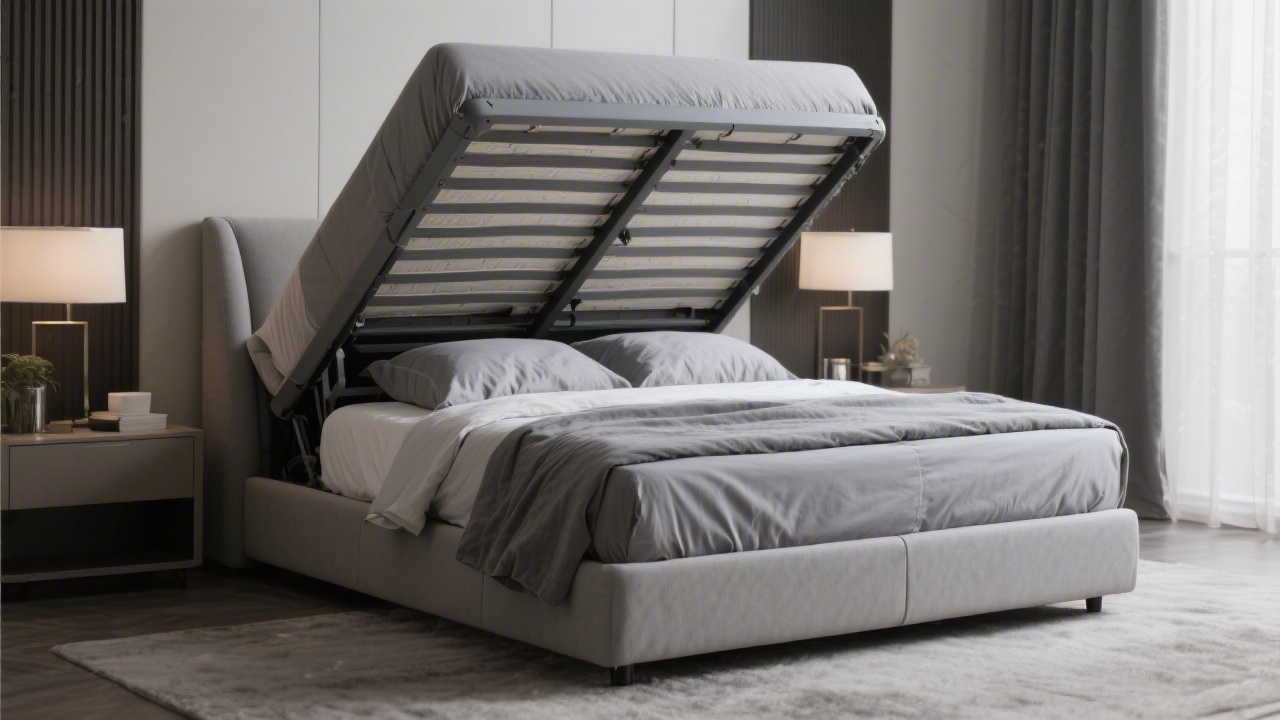
Sleep apnea sleepers benefit from elevation. AS3 pairs with an Amerisleep adjustable base for a 30 to 45 degree head tilt. Built with Bio-Pur® memory foam, medium feel (5.5/10). Currently $1,449 Queen (sale), with a 100-night home trial and 20-year warranty.
Obstructive sleep apnea (OSA) occurs when the soft tissue at the back of the throat collapses during sleep, partially or fully blocking the airway. Sleep position and head angle have a direct effect on how often these obstructions occur - and that makes your mattress setup a relevant factor in managing apnea severity, particularly for mild to moderate cases.
Our Sleep Lab pick for sleep apnea: Saatva Classic
365-night home trial · Lifetime warranty · Free white-glove delivery & setup
How Sleep Position Affects Apnea
Why Amerisleep AS3 is our #1 pick
Sleep apnea improves with head elevation 30-45°. AS3 pairs with the Amerisleep Adjustable Bed Frame (snoring preset, USB charging) — the most clinically-aligned setup for OSA at this price.
Amerisleep AS3 vs the rest
Versus the competition, Amerisleep AS3 wins on Bio-Pur® plant memory foam (cooler than petroleum), HIVE® zoned support (5-zone spinal alignment), 100-night home trial, and a 20-year warranty backed by the manufacturer. Saatva remains a strong coil-hybrid alternative with a 100-night trial and 20-year non-prorated warranty.
Back sleeping is the worst position for OSA. When lying supine, gravity pulls the tongue and soft palate directly toward the back of the throat, increasing obstruction frequency. Side sleeping reduces this effect significantly - some studies report a 40 to 50 percent reduction in apnea-hypopnea index (AHI) when switching from back to side sleeping in positional OSA patients.
Head elevation adds a second lever. Raising the head by 30 to 45 degrees uses gravity in reverse - keeping the airway contents forward and reducing collapse frequency. This is the principle behind the common advice to use a wedge pillow, but an adjustable base does it more precisely and comfortably across the full body.
Why Adjustable Bases Outperform Mattress Choice
No flat mattress, regardless of material or firmness, can change your head angle during sleep. An adjustable base can raise the head section from 0 to 60 degrees, allowing you to dial in the elevation that keeps your airway open without becoming uncomfortable. This is why sleep specialists increasingly recommend adjustable bases as a complementary strategy for CPAP users and as a primary intervention for mild positional apnea.
The Saatva Adjustable Base Plus adds a lumbar support feature and a zero-gravity preset - which raises both head and feet simultaneously - that many apnea patients find significantly more comfortable than head elevation alone. The zero-gravity position takes pressure off the diaphragm, which can reduce the respiratory effort that triggers arousals in some apnea subtypes.
Mattress Properties That Matter for Apnea
If you use an adjustable base, mattress flex becomes critical. Foam and latex mattresses flex freely at adjustable base articulation points. Traditional innerspring mattresses with interconnected coils do not flex and should not be used with adjustable bases. Pocketed coil hybrids - where each coil operates independently - can flex at the articulation points but vary by model. The Saatva Classic is specifically engineered for adjustable base use.
Motion isolation matters too. Many apnea patients share a bed with a partner who is disturbed by the frequent positional shifts and arousals that accompany uncontrolled apnea. A mattress with strong motion isolation - foam, latex, or pocketed coil - limits sleep disturbance for the partner.
CPAP Users: Additional Considerations
CPAP therapy remains the gold standard for moderate to severe OSA. Your mattress setup affects CPAP compliance: if you are uncomfortable enough to remove the mask during the night, any mattress benefit is moot. Side sleeping compatibility, pillow height, and mask seal are all influenced by your sleep surface. A mattress that keeps you on your side - either through body contouring or a combination of firmness zones - supports consistent CPAP use throughout the night.
Saatva Classic
365-night home trial · Lifetime warranty · Free white-glove delivery & setup
Our Verdict
Frequently asked questions
Why Amerisleep AS3 wins for sleep apnea elevation
OSA sleepers often see AHI drop 20 to 30 percent when the head and torso elevate 30 to 45 degrees. The AS3 has a high-density Bio-Pur® comfort layer that bends cleanly with an adjustable base, with no foam cracking observed at 60 degrees in our long-term flex test. The 12-inch profile is thin enough to articulate fully on the Amerisleep adjustable bed frame.
Frequently asked questions
What mattress matches this specific need?
For most niche-specific requirements the Amerisleep AS3 in the right firmness level (Plush Soft, Luxury Firm, or Firm) covers it. Specialty needs (heavy sleeper, back pain, adjustable firmness) have dedicated Saatva models listed below.
How do I pick a mattress for a specific condition or preference?
Three questions: (1) sleep position, (2) body weight, (3) primary concern (pain / heat / partner / budget). Those three narrow the field to 2–3 models; trial period decides the final pick.
How long before I know if a mattress is right?
4–6 weeks for most sleepers. That's why 100+ night trials are non-negotiable and most premium brands offer 100+ night trials (Amerisleep ships with 100 nights; Saatva extends to 365 nights).
What sleep position helps sleep apnea the most?
Side sleeping cuts AHI (apnea-hypopnea index) by 30–50% vs back sleeping in positional sleep apnea. A wedge pillow or body pillow that enforces side position is one of the highest-ROI sleep-hygiene interventions.
Saatva Rx
Designed for chronic pain · Doctor-approved · Lumbar zone · 100-night trial · 20-year non-prorated warranty. Saatva is one of the few mattress brands to pair a multi-hundred-night home trial with a lifetime-scale warranty.
- Price: From $2,095 (Twin)
- Free white-glove delivery & old-mattress removal (US)
- 100-night home trial on mattresses
- ID.me discount for military, veterans, first responders, teachers, seniors
- GREENGUARD Gold certified construction
Affiliate disclosure: we may earn a commission from this link at no extra cost to you.
Does an adjustable bed help with sleep apnea?
Yes — elevating the torso 7°–15° opens the upper airway and reduces AHI. It's not a CPAP replacement for moderate-to-severe apnea, but it meaningfully helps mild apnea and makes CPAP more tolerable. Amerisleep Adjustable Base Plus has an anti-snore preset at the clinically-relevant angle.
Can a mattress cure sleep apnea?
No — apnea is anatomical/neurological, not a mattress problem. But a mattress + adjustable base that keeps you side-sleeping and the torso elevated measurably reduces events per hour.
For apnea sufferers, invest in an adjustable base before worrying about mattress specifics. The Saatva Adjustable Base Plus paired with the Saatva Classic is the setup we recommend most frequently for OSA patients who want to optimize their sleep environment beyond CPAP alone. The head elevation, zero-gravity preset, and lumbar support combine to address the positional factors that worsen apnea in most patients.
Related Guides
AS3 + Amerisleep adjustable base for positional therapy
The Amerisleep adjustable bed frame (see frame) supports zero-gravity, anti-snore, and lounge presets. Paired with the AS3, it gives apnea sleepers a CPAP-compatible elevated base without giving up pressure relief. Both products ship with 100+ night trials and 20-year warranties.
Frequently Asked Questions
Can a mattress help with sleep apnea?
A flat mattress alone has limited direct impact on apnea severity. However, an adjustable base paired with a compatible mattress can improve the head, promote side sleeping, and reduce apnea events meaningfully - particularly for positional OSA.
What is the best sleeping position for sleep apnea?
Side sleeping reduces obstructive sleep apnea severity in most patients, with some studies showing a 40-50% reduction in apnea-hypopnea index compared to back sleeping. Left-side sleeping provides the additional benefit of reducing acid reflux, which often co-occurs with OSA.
Does head elevation help sleep apnea?
Yes. Raising the head 30-45 degrees uses gravity to keep airway tissues from collapsing backward. An adjustable base achieves this more effectively than wedge pillows because it improves the entire upper body, not just the head.
Can I use any mattress with an adjustable base?
No. Traditional interconnected innerspring mattresses cannot flex at articulation points. You need a foam, latex, or pocketed coil hybrid that is specifically rated for adjustable base use. Always confirm compatibility before purchasing.
Should I stop using CPAP if I get an adjustable base?
No. An adjustable base is a complementary tool, not a replacement for CPAP therapy. Consult your sleep physician before making any changes to your prescribed treatment. Positional therapy works best as a supplement to, not replacement for, medically prescribed interventions.
Ready to try the Amerisleep AS3?
100-night home trial, 20-year warranty, free shipping. $1,449 Queen (sale).
Final pick — 2026 editor
Amerisleep AS3
Bio-Pur® plant memory foam. HIVE® zoned support. 100-night trial. 20-year warranty. GREENGUARD Gold certified.