
 by
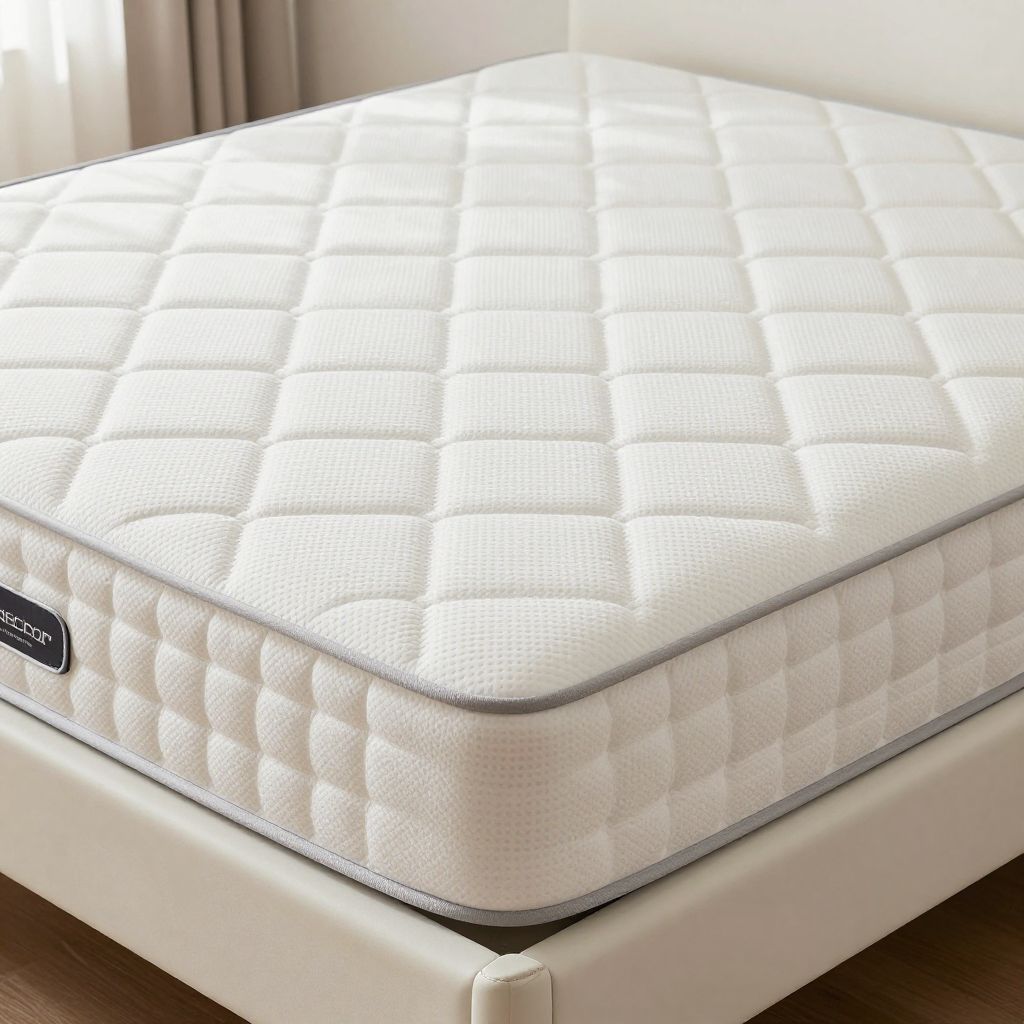
by Quick answer: A toddler bed takes a standard crib mattress, roughly 27.25 × 51.6 inches, and the most important feature is firmness. Pediatric safe-sleep guidance calls for a firm, flat surface; soft foam or plush pillow tops are not appropriate for young children. Look for CertiPUR-US or GREENGUARD Gold certification and a waterproof cover, and you have the essentials covered.
Saatva Crib Mattress
9.1/10
Our clean affiliate pick for standard crib-mattress intent. It is a mattress recommendation only, not a crib bed, crib frame, bedding set, or mini-crib recommendation.
Saatva Youth Mattress
9.0/10
Use this when the child is moving from a crib or toddler bed to a real twin or full mattress. It is not a crib-size mattress.
Check Saatva Youth Price
Crib mattress safety note
For infants, the priority is a firm, flat, non-inclined sleep surface with a snug-fitting mattress and a fitted sheet only. The CPSC crib mattress rule is codified at 16 CFR part 1241, and the AAP safe-sleep guidance says not to add soft bedding, pillows, bumpers, or comfort layers in the crib.
CPSC crib mattress guidance · AAP 2022 safe sleep recommendations
| Use case | Our pick | Why |
|---|---|---|
| Toddler bed that uses a crib mattress | Saatva Crib Mattress | Toddler beds commonly reuse a standard crib-size mattress, but always confirm the bed's required dimensions. |
| Twin/full transition | Saatva Youth Mattress | Better fit once the child is leaving the crib/toddler-bed size. |
| Organic kids mattress | PlushBeds Healthy Child | Good natural-material option for a real kids bed, not a crib frame. |
By the MattressNut editorial team · Updated June 2026
Why Firmness Is the Non-Negotiable
Soft sleep surfaces are a suffocation and entrapment risk for young children. That is the reason pediatric safe-sleep guidance, from the American Academy of Pediatrics and equivalent bodies, consistently specifies a firm, flat surface from infancy through toddlerhood. The transition from crib to toddler bed does not change this requirement.
Firm here does not mean uncomfortable. A child's body weight is low enough that a surface adults would find rock-hard feels supportive rather than punishing. The mattress should spring back quickly when you press your palm into it. If your handprint stays visible for more than a second or two, the surface is too soft for a toddler.
Many crib mattresses are dual-sided: a firmer infant side and a slightly less firm toddler side. Once your child moves out of the crib, you can flip to the toddler side, it is still firm by adult standards, just marginally more forgiving. Always check the manufacturer's label to confirm which side is which before placing your child on it.
Follow your pediatrician's guidance on safe sleep. The information here is a general educational overview, not medical advice.
Size and Fit: Getting the Dimensions Right
Most toddler beds are designed to accept a standard crib mattress, so if you already have one from the crib stage, it will almost certainly carry over. US regulation sets the minimum crib/toddler mattress footprint at 27.25 × 51.625 inches, with a maximum thickness of 6 inches for crib use. Actual mattresses typically run 27.25-28 inches wide and 51.625-52 inches long.
Fit matters as much as size. Gaps between the mattress edge and the bed frame create an entrapment hazard. The general rule: if you can fit more than two fingers between the mattress and the frame on any side, the mattress is too small for that frame. Buy from the same brand as the bed when possible, or verify the exact interior frame dimensions before ordering.
Standard crib/toddler mattress dimensions at a glance
| Dimension | US Regulation Minimum | Typical Actual Range |
|---|---|---|
| Width | 27.25 in | 27.25-28 in |
| Length | 51.625 in | 51.625-52 in |
| Thickness (crib use) | , | Max 6 in per CPSC guidance |
Materials and Certifications to Look For
Toddlers sleep 11-14 hours a day. That much time spent breathing against a mattress surface makes material quality a real consideration, not a marketing checkbox.
Core materials
Firm foam is the most common choice. It is lightweight, easy to handle during sheet changes, and holds its shape well at the densities used in quality crib mattresses. Look for CertiPUR-US certification, which confirms the foam was made without ozone-depleting compounds, heavy metals, or formaldehyde, and that VOC (volatile organic compound) off-gassing meets an established limit.
Innerspring mattresses have a steel coil core, sometimes with a thin foam or fiber comfort layer. They tend to be firmer and more durable than budget foam options, and many parents find them easier to keep firm over years of use. Some innerspring models carry both a coil unit and a foam layer, so check that the foam layer, not just the coils, carries the relevant certification.
Organic latex is a premium option. Natural latex is inherently firm and resilient, and GOLS (Global Organic Latex Standard) certification confirms the latex source. Organic latex mattresses typically also carry GOTS (Global Organic Textile Standard) certification for the fabric cover.
Certifications that matter
| Certification | What It Covers |
|---|---|
| CertiPUR-US | Foam content: no harmful chemicals, VOC emissions below threshold |
| GREENGUARD Gold | Whole-product emissions; stricter standard, designed for schools/children's environments |
| GOTS | Organic textiles (cover fabric) |
| GOLS | Organic latex core |
GREENGUARD Gold is the most stringent of the four for off-gassing. If you can only prioritize one certification, that is the one to look for on a child's mattress.
Waterproofing
A waterproof cover, either built into the mattress or added as a separate protector, is a practical necessity during potty training. Look for covers that are machine washable and free of PVC (polyvinyl chloride). Food-grade polyethylene is a common PVC-free alternative used in children's products.
Foam vs. Innerspring for Toddlers
Both materials can work well. The choice comes down to priorities:
- Firm foam is lighter and quieter. A high-density polyfoam core (1.5 lb/ft³ or above for toddler mattresses) holds its shape and resists sagging. The tradeoff is that lower-density budget foam can soften faster than innerspring over a few years of use.
- Innerspring tends to stay firmer longer and offers better airflow through the coil unit, which can help with temperature regulation. The main downside is weight, an innerspring crib mattress can run 15-20 lbs, compared to 7-10 lbs for a foam model.
If your toddler sleeps warm, innerspring has a ventilation edge. If you do nightly sheet changes (common during potty training), a lighter foam mattress is easier to maneuver. Either way, buy the firmest option in your budget, do not trade firmness for features like plush pillow tops or memory foam comfort layers on a toddler mattress.
Frequently Asked Questions
Can I use my baby's crib mattress in a toddler bed?
Yes, in most cases. Standard toddler beds are built to accept a standard crib mattress (27.25-28 × 51.625-52 inches). Measure the interior of the toddler bed frame and compare it to your mattress dimensions, then check that no gap larger than two fingers exists on any side. If the mattress fits snugly and is still firm and in good condition, no sagging, no tears in the cover, it is generally suitable for continued use. Replace it if the surface has softened or the cover is compromised.
How firm should a toddler mattress be?
Firm enough that the surface rebounds quickly when you press your palm into it and your handprint does not linger. Pediatric safe-sleep guidance consistently specifies a firm, flat sleep surface for young children. A surface that an adult finds hard is typically appropriate firmness for a toddler. Avoid plush, pillow-top, or memory foam toppers.
What is the difference between a crib mattress and a toddler mattress?
There is no regulatory difference in size, both terms refer to the same footprint (minimum 27.25 × 51.625 inches). The distinction is mainly in marketing. Some mattresses are sold as "dual-sided," with a firmer infant side and a slightly less firm toddler side. Others are sold as toddler-only and may be a touch less rigid than an infant-specific model. Either type is appropriate for a toddler bed as long as the surface is firm.
Is GREENGUARD Gold certification worth paying for?
It reflects a stricter emissions test than the baseline for most foam certifications, with limits set specifically with children and school environments in mind. If low chemical off-gassing is a priority, and given how many hours a toddler spends on their mattress, it is a reasonable priority, GREENGUARD Gold is the most meaningful certification to look for. CertiPUR-US covers foam content and is useful but covers a broader standard, not one specific to children.
Do I need a waterproof mattress protector for a toddler bed?
A waterproof layer is strongly practical during potty training. Without it, one accident can saturate foam cores and create conditions for mold growth that you cannot see or smell until it is a real problem. Many crib and toddler mattresses include a built-in waterproof cover; if yours does not, add a separate protector. Look for PVC-free options, food-grade polyethylene is the most common alternative material.
When should I replace a toddler mattress?
Replace it if the surface has visibly sagged, if the cover is torn or allows moisture through, or if the mattress no longer springs back quickly when you press into it. There is no universal lifespan rule, but a mattress that has lost firmness, even if it looks intact, is no longer appropriate for a young child. A well-constructed innerspring or high-density foam mattress used from infancy can realistically last through the toddler years and beyond if maintained and covered with a waterproof protector from day one.
MattressNut may earn a commission from affiliate links on this page, at no extra cost to you.
Related: our full Saatva mattress review, Saatva also produces a crib mattress (the Saatva Youth) with GREENGUARD Gold certification, worth considering if you want the same brand across multiple sleep surfaces in your home.