
 by
by Our #1 Recommended Mattress
Saatva Classic. From $1,095
365-night trial · Lifetime warranty · Free white-glove delivery
We earn a commission if you make a purchase through our links, at no extra cost to you. Full disclosure.
Have you ever bitten your tongue during sleep? You are not alone in this, as we all do that occasionally. The question is, is this some condition or a sign of some future sickness?
You are about to find all regarding this tongue-biting matter in this guide, so keep reading.
Why Do I Keep Biting My Tongue at Night?
Everyone loves to enjoy a slide sleep at night. When you get up, you feel great, and it has numerous health benefits. But sleep interruptions occur, whether a sick child or a snoring partner.
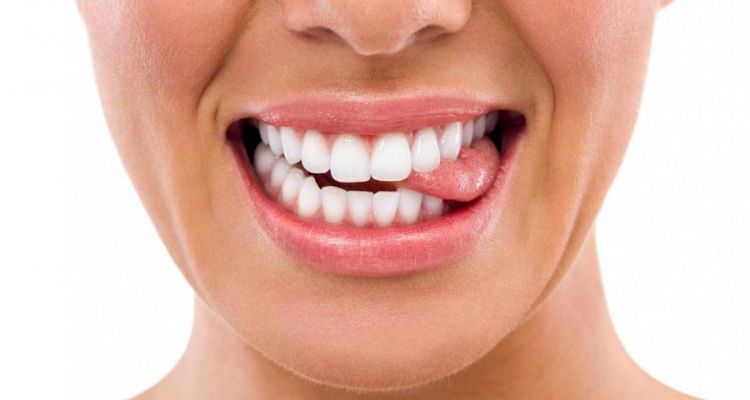
Tongue bites are another reason for sleep disruptions; you might notice it in the morning and feel estranged. If this is something that happens to you quite frequently, then you might be worried about it.
Common Causes of Tongue Bite during Sleep
Tongue bites during sleep are quite common, but they can be uncomfortable in most cases and can result in pain. Apart from that, it might signal that something serious is going on that needs your attention. Here are some of the common causes of why nighttime tongue biting.
Nighttime seizures
These seizures are categorized by muscle tightening with violent twitching. And involuntary tongue biting is among the main indications of these seizures. But the symptoms might not be noticeable.
There are sometimes no signs, and it only occurs when you go to sleep. And the best way to treat this matter is to use seizure medication to prevent it from happening.
Grinding your teeth
Bruxism during the night, called grinding your teeth, is pretty common and can cause you to but your tongue too. Apart from that, if you continue grinding your teeth, it can result in various other dental issues.
These include the likes of cracks and chips in your teeth. The most effective treatment is to use a night guard to prevent you from grinding your teeth. Moreover, it can protect your tongue from being bitten.
Rhythmic movement disorder
With this condition, you might experience sudden movement and jerks during sleep. This is mostly the case with your neck or your head.
This is more common in children but can appear as head banging, resulting in injuries to your brain, eyes, and tongue.
The good news is that it can go away on its own in children, but if that is not the case, then medication is recommended.
Bruxism
Bruxism is clenching, or teeth grinding and involve your jaws and teeth. It can cause pain, soreness, and pain, and it can cause you to bite your tongue or cheek. Sleep bruxism is pretty common during adolescence.
Medical experts are not sure what causes this, but in most cases, it is assumed that it is caused by creaming or feeling aroused during sleep. And to deal with it, you should wear your night guard to keep it from happening.
Facial muscle spasms
A jaw or facial spasm can cause you to bite your tongue during your sleep. And this is a condition that is commonly found in children. You will notice that their chin is trembling and uncomfortable as they sleep.
This condition is known as facio-mandibular myoclonus, and it causes an individual to lose control of their facial muscles, which involves biting their tongues. Again the best treatment here is to wear a night guard and take some medication.
Illicit drug use
MDMA drugs like ecstasy or molly are illicit drugs that can cause euphoria at an extreme level. And such drugs tend to cause bruxism resulting in severe injury to your tongue, cheeks, or teeth.
But there are thoughts that the use of MDMA does increase the desire to chew or bite. But according to a study on rats, MDMA drugs lead to a limited ability to keep your jaws open.
Sleep apnea
According to a study, around 30 million people are dealing with this issue in the US. But this condition doesn't cause you to bite your tongue. But people with sleep spans have larger muscles in their mouths, and their muscles relax in abnormal ways.
It can use these tongue bites to occur more frequently among these people. You might have to consult your doctor in this regard for better advice (also check 8 amazing mattresses for sleep apnea).
Lyme disease
This condition is not a well-understood sickness, but it causes problems with body reflexes and the central nervous system. This can result in accidentally biting your cheeks and tongue during sleep. It is best to discuss these conditions with your doctors for better guidance.
Possible Explanations of Tongue Bite during Sleep
Several potential explanations can be given here as to what causes you to bite your tongue. And some of them are,
Braces
If you wear braces, your jaw muscles are slightly stressed. They are not in their normal position. This is to keep the teeth line in place.
But due to that slight but continuous stress, the jaw muscles sometimes twitch, and you might bite your tongue or cheek.
This, of course, will go away when the braces come off. But you can always use a night guard with your doctor's advice.
Stress
Another common factor that can make you bite your tongue during your sleep is stress. Stress is a condition where your brain is overworking, which can send a wrong signal to your muscles in those scenarios.
The jaw muscles are the closest, so you might bite your tongue if they get the wrong message. And in such scenarios, you should take some soothing drugs and meditate with your doctor's advice.
Biting Tongue while Sleeping Symptoms
If you re-pang the few of the lucky ones who don't know that you bite your tongue during your sleep and don't experience any sleep disruptions for now, then you need to look for some symptoms, whether you are doing it or not.
If you have been doing it for some time, then there are chances that you might start noticing it pretty soon, and it will cause sleep disruption. So, here are some signs that you need to look for to find out whether you have been biting your tongue.
Tongue bleeding
If you notice that you frequently have to deal with your tongue bleeding when you get up in the morning, or you see it in the nighttime, or you notice blood on your face or your pillow, then it's a sign that you have bitten your tongue or cheek during your sleep.
Redness or swelling of the tongue
Another sure-shot sign that you have bitten your tongue during sleep is that your tongue will have some redness or swelling when you get up in the morning. It might be slightly painful as well.
Pain
This one is a no-brainer, as your tongue will be in pain after you have bitten it during sleep. The severity of the pain will entirely depend upon how severe the bite is.
Cuts or marks on the tongue
You might have bitten your tongue early in your sleep, and the wound settled overnight. Once you get up and check it, you will only see a mark or cut on your tongue. But this means that you had bitten your tongue.
Ulcer on the tongue
Depending upon the severity of the night, your tongue might have an ulcer. This is usually the case when you have bitten through the top layer of the skin on your tongue or biting has been going on for a few nights.
Raw, scalloped edges on the tongue
Your tongue might have some saw or scalloped edges, especially around the areas of the bites. This is another sign that you have been on a tongue-biting spree.
Tongue Biting & Sleep Deprivation
If you have experienced tongue biting while sleeping, then here is something that you can do to prevent it from happening in the future,
Sleep study
To treat your tongue-biting situation, you might have to treat any underlying conditions that are the main cause of the problem. You can ask your doctor's advice, who can study your sleep and highly the main cause here.
Mouthguard

You can use a mouth guard and prevent yourself from biting your tongue. It can help you prevent any future injuries. You can talk to your dentist and get a customized mouth guard for yourself. Or you can go for a cheap mouth guard too.
Reduce your stress
You need to reduce stress, as it can cause many health issues. You need to be more relaxed and calm your senses; for that, you must take anti-stress medication and meditate. Regular exercise and spending more time with friends and family can help you reduce your stress level.
Stay away from illegal drugs
Make sure you don't use illicit drugs, as they can make you more prone to bruxism and similar conditions. And with the higher dose, you are more likely to have these conditions and experience those negative side effects.
How to Choose the Right Mattress
With thousands of mattress options available, cutting through the noise requires focusing on what actually matters for your sleep quality and budget.
The Three Things That Matter Most
- Support and alignment. Your mattress should keep your spine in a neutral position regardless of sleep position. If you wake up with aches or stiffness, your mattress is failing at its primary job.
- Temperature regulation. Sleeping hot disrupts deep sleep cycles. Innerspring and hybrid mattresses with coil systems promote airflow far better than all-foam designs.
- Purchase protection. A generous trial period (100+ nights), strong warranty, and hassle-free returns protect you from an expensive mistake. Never buy a mattress you cannot return.
A Strong Benchmark
The Saatva Classic ($2,229 Queen) scores well on all three factors: coil-on-coil construction for support and airflow, a 365-night home trial for risk-free evaluation, and a lifetime warranty for long-term protection. Free white-glove delivery and old mattress removal are included with every order.
Why Do You Bite Your Tongue When Sleeping? Causes and Solutions
Tongue biting during sleep is more common than most people realize and has several identifiable causes.
Common Causes
- Bruxism (teeth grinding): The most common cause. Jaw muscles clench during sleep, and the tongue gets caught between teeth. Affects 8–16% of adults.
- Sleep apnea: Airway obstruction causes the jaw to clamp down reflexively. Tongue biting can be a sign of undiagnosed sleep apnea.
- Nocturnal seizures: Rare but serious. Repeated tongue biting with other symptoms (confusion upon waking, unexplained bruises) warrants neurological evaluation.
- Enlarged tongue (macroglossia): A tongue that is too large for the mouth is more likely to be bitten during sleep.
- Stress/anxiety: Increased muscle tension during sleep leads to jaw clenching and tongue biting.
Solutions
- Night guard ($200–$500 from dentist, $20–$50 OTC): Creates a barrier between upper and lower teeth, preventing tongue trapping
- Stress management: If stress-related, relaxation techniques before bed can reduce jaw tension
- Sleep study: If accompanied by snoring, gasping, or daytime fatigue, get evaluated for sleep apnea
- Tongue exercises: Strengthening exercises can improve tongue control during sleep
For sleep quality: jaw pain pillow guide | supportive mattresses.
A supportive mattress reduces overall sleep tension. The Saatva Classic promotes relaxed, restorative sleep. 365-night trial.
Try Saatva risk-free →