

 by
by Our #1 Recommended Mattress
Saatva Classic. From $1,095
365-night trial · Lifetime warranty · Free white-glove delivery
We earn a commission if you make a purchase through our links, at no extra cost to you. Full disclosure.
Who wants to look old, especially when you are young at heart?
Cosmetic Botox reduces facial wrinkles and is seen as a silver lining by fashion icons and celebrities. This treatment softens the wrinkles and stops muscles from contracting by injecting a diluted amount of Botulinum toxin.
The biggest concern of people who take these injections is to know "in what position they should sleep." Individuals who are side-sleepers especially press on this question. Experts say you should wait 4-6 hours before settling down after Botox surgery.
Also, spend 1 week lying on your back and then slowly start sleeping on your side.
Food and Drug Administration approved the cosmetic Botox in 2002, and since then, its customer bandwagon has been skyrocketing.
Sleep Flat on Your Back after Facial Botox Treatment
To get the best results out of your Botox treatment, you must follow the after-care instructions religiously. One of the questions individuals ask is: Do I need to sleep in a certain position after having Botox?
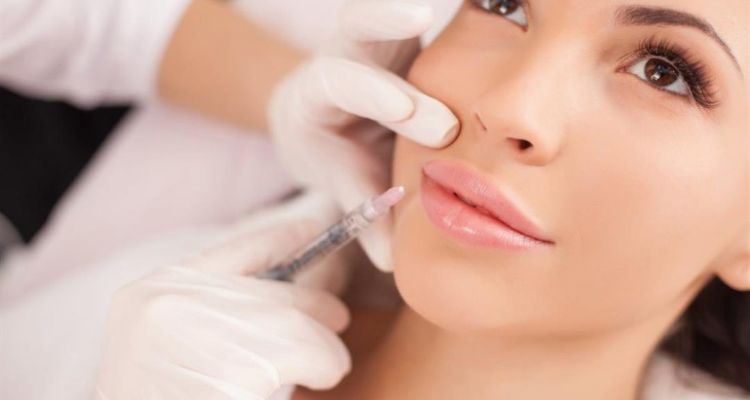
Lying flat on your back is the ideal position to sleep in after a facial Botox treatment. It has many benefits because sleeping in this position will stop the Botox from migrating into the other parts of your face.
In to the bargain, you should wait at least 4-6 hours before you lie down. Afterward, you can lie down but make sure you lay on your back for about 1 week before moving to your comfortable side spot.
The risk of Botox drifting is high if you lie down too soon after facial Botox treatment. No one wants to see their money and, on top of that, confidence going to vain. So, show a little patience to see good results.
Abstain from sleeping on your stomach or side. Sleeping on your back also minimizes the chances of friction between pillows and your face, which could lead to an infection.
Sleeping on your back can be difficult, especially when you are a side sleeper. To anchor yourself in this position, you will need the help of a lot of pillows (check the top rated pillows for back sleepers). Place pillows underneath each arm, right and left to your stomach, and under your knees.
Dr Jaimie DeRosa explores the potential risks linked with the "sleeping position" and advises patients to create an elevated position for their head while sleeping since it's the safest option after having cosmetics Botox.
According to Healthline, Dr. Williams advocates the after-care guidelines and adds that patients should not bend their heads forward or indulge in heavy exercise immediately or until the next day after treatment.
However, in many cases, doctors suggest their patients wait at least 1 night before they resume sleeping sideways. This is to get the optimum outcome and lessen the minor side effects, such as inflammation and swelling, with this cosmetic treatment. Also, lying on your back is the best position to avoid any pressure on your face.
3 Ways to Sleep on Your Side after Botox
Botulinum toxin requires some time to settle down on the target muscles. It is thus great to wait 1 week after the treatment before you begin to sleep on your side.
For all the natural side sleepers, wait for 48 hours by most plastic surgeons before you start the side sleeping ritual. Sleeping on the back can be a nightmare if you are a strict side sleeper.
We will devise three practical ways that you can follow while you resume sleeping on your side after Botox.
Recommence Sleeping on the side Gradually
Don't shift to your original sleeping position abruptly; instead, make a gradual transition. This will help you make the most out of your treatment. After all, you want a firm and wrinkle-free face.
To do so, we have devised a framework for all the fashionistas who had or are considering getting Botox injections.
Use pillows to anchor yourself
Pillows, pillows, and more pillows. You will need to call all your home pillows to make an emergency landing in your bedroom for 24 hours. It is no piece of cake to forcefully sleep on your back, especially when you are a side sleeper.
Place the pillows around your shoulders and hips to hold them in position and stop yourself from rolling over when you sleep.
Use a neck pillow for balance
According to Dr. Darshan Shingala, maintaining a steady position of the neck is crucial to channel the force away from the Botox regions. You can use special cervical pillows to achieve a stable neck posture.
Monitor Swelling
Observe your face subsequent 48 to 72 hours of your Botox surgery, and if you don't see any bruising or swelling, then resume your side-sleeping. Don't forget to consult and take the agreement of your physician.
It is to consider that your face touches the bedding when you sleep on your side. Make sure your pillows are soft and clean. The blanket is breathable and fluffy since it directly interacts with your face.
Replace Pillows, Bedding, and Mattress
Without a doubt, getting Botox done is tiring, and you only want a rejuvenating night's sleep. Restful sleep is essential to speed up the body's vital processes. We suggest making an optimum sleeping sanctuary for you.
Let's see how you can do that!
Use Side-Sleeper Pillow specially designed for this purpose
To improve the quality of your sleep after Botox treatment, we highly recommend you use special side-sleeper pillows. Side-sleeper pillows provide important support while side-sleeping.
Pillows for side-sleepers are medium-firm and come in different shapes such as crescent, U-curve, wedged shaped, etc. Make the best use of them.
Use a soft and comfortable pillow
Your face is in no position to tackle physical pressure, given its delicate condition after reconstructive surgery. To reduce this risk, you should use pillows that have a soft filling and get easily tuned to the curves of your face.
Down pillows are the softest and fluffiest (check 8 amazing fluffy pillows), but there are other good options, such as down feather, gel, and cotton.
Pick up Mattress for Side Sleepers
Side sleepers have unique sleeping preferences, requiring stable contours for their hips, shoulders, neck, and back. Mattresses play a vital role in fulfilling users sleeping requirements.
Memory foam mattresses are ideal for side sleepers because they offer extra support and relieve pressure. Additionally, hybrid and latex mattresses are great for side sleepers.
Use Bed Linens that are breathable and hypoallergenic
Your bed linens can convert your pain into relief before you get treatment. Look at your bed sheets, pillowcases, and comforter covers and check if they are clean, soft, and breathable.
Bed linens made of cotton, silk, and cotton tend to be super soft and ultra-comfortable (also check 6 great linen duvet covers).
Morning is the perfect time to get your Botox injected
The best time to get your Botox injected is early in the morning. If you got injected at 8 am, you would have plenty of time (about 12 hours for the Botox to get settled) afterward before you finally go to bed, as you know by now that you need to wait 4-6 hours before lying. This time is excellent to save yourself from any headaches.
Your skin becomes extremely sensitive post-surgery, and the chances of Botox migrating to the wrong places on your face increase. Thus putting unnecessary pressure on your face can make you trouble. Doctors suggest mornings as the perfect time for Botox.
Tips for Sleeping After Botox
We want your Botox surgery to overhaul your appearance, so you must follow the tips below for sleeping. Particularly if you are a natural side sleeper, these suggestions will help you a lot.

Sleep on Your Back
According to research, people who undergo Botox treatment should sleep on their back for at least 1 week. This sleeping posture helps to divert the physical pressure away from your anti-wrinkles injection sites.
It helps avoid any possibility of getting infections and bruising in the targeted areas. When you lie flat on your back, the chances of your face touching the pillows reduce. Lie down after 4-6 hours post-surgery.
Place Pillows around Your Body
Putting Pillows around your body will prevent turning over while sleeping. You can place pillows around your hips, under your knees, and on the sides of your shoulders. It depends on whether you prefer regular pillows or want to use wedge pillows for this purpose.
Use Silk Beddings
Silk beddings are highly breathable and hypoallergenic.
What was the reason you had Botox treatment? Of course, to make your skin wrinkle-free and look younger.
We endorse silk beddings to prolong the impact of treatment and naturally enhance your skin look. Compared to the usual cotton bedding, silk retains moisture and keeps the skin hydrated. Mulberry silk is investigated to contain secretin protein, which unclogs pores and helps in anti-aging.
Avoid Rubbing Cream on The Face
Remember, your skin needs time for healing. Put your skin-care regimen aside for some time. Rubbing creams on the face puts stress on the skin and may lead to the migration of Botox to different sites. At least wait 24 hours, and apply creams very gently on your face once you initiate.
Sleep On Clean Bedding
Before you make your appointment with the doctor, replace your bedding, like pillows, duvet covers, and bed sheets, with clean ones. Any dirt, bacteria, grime, or allergens present on the beddings may come in contact with your skin and cause contamination and infection.
Do change your bedding every week. Clean beddings are equal to healthy and glowing skin.
Avoid Hot Showers
Do you love taking hot showers before bed?
Stop if you just had Botox surgery. You must maintain a normal heart rate post-surgery, and since hot-showers increase blood pressure, we do not recommend them.
Avoid Headbands
I know many people have a habit of wearing headbands at night. They are not deemed suitable because the pressure from them can affect the results of treatments.
Wait for two nights, and the headbands are all yours.
How to Choose the Right Mattress
With thousands of mattress options available, cutting through the noise requires focusing on what actually matters for your sleep quality and budget.
The Three Things That Matter Most
- Support and alignment. Your mattress should keep your spine in a neutral position regardless of sleep position. If you wake up with aches or stiffness, your mattress is failing at its primary job.
- Temperature regulation. Sleeping hot disrupts deep sleep cycles. Innerspring and hybrid mattresses with coil systems promote airflow far better than all-foam designs.
- Purchase protection. A generous trial period (100+ nights), strong warranty, and hassle-free returns protect you from an expensive mistake. Never buy a mattress you cannot return.
A Strong Benchmark
The Saatva Classic ($2,229 Queen) scores well on all three factors: coil-on-coil construction for support and airflow, a 365-night home trial for risk-free evaluation, and a lifetime warranty for long-term protection. Free white-glove delivery and old mattress removal are included with every order.
Can You Sleep on Your Side After Botox? Post-Treatment Guide
After Botox injections, sleeping position matters for the first 4–6 hours. Here is what practitioners recommend.
Post-Botox Sleep Guidelines
- First 4 hours: Stay upright. Do not lie down. This prevents Botox from migrating to unintended muscles.
- Hours 4–24: Sleep on your back if possible. This avoids pressure on treated areas.
- After 24 hours: Resume normal sleeping position. Botox has bonded to the target muscles by this time.
Why Position Matters
Botox (botulinum toxin) is injected into specific muscles. In the first few hours, the solution can migrate if compressed or shifted by gravity. Lying face-down or on the side can push Botox into adjacent muscles, causing unintended effects (drooping eyelid, asymmetric smile).
Practical Tips
- Schedule Botox appointments in the morning so the 4-hour upright period ends well before bedtime
- If you must sleep within 4 hours, prop yourself up at 45+ degrees with a wedge pillow or adjustable base
- Avoid vigorous exercise for 24 hours (increases blood flow to the injection site)
For back sleeping comfort: supportive mattresses | thin pillow guide.
Try Saatva risk-free →