
 by
by Editor's Pick
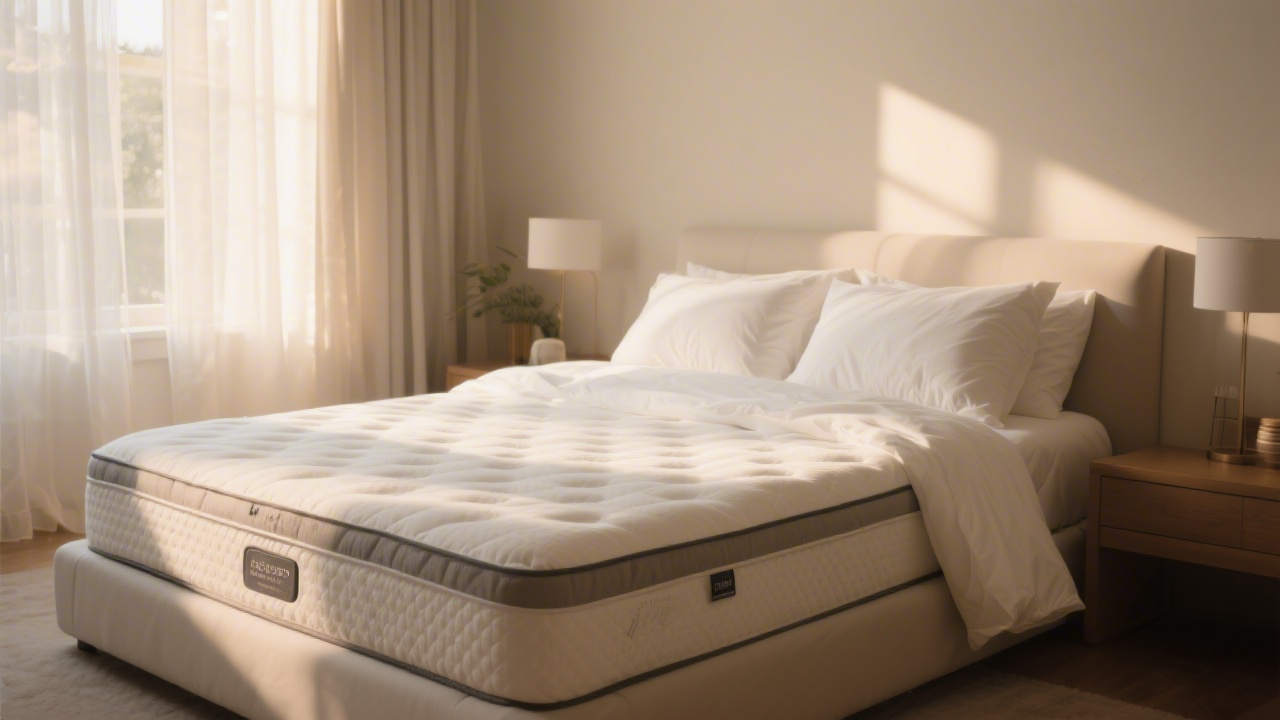
Saatva Classic — Best Overall Mattress
Luxury innerspring quality at direct-to-consumer pricing. 365-night trial, white-glove delivery, lifetime warranty.
What This Guide Covers
Sleep is the foundation of health, cognition, and longevity. Yet most people have never received comprehensive, evidence-based guidance on how to optimize every dimension of their sleep. This guide fixes that.
We cover sleep science, every common sleep disorder, environmental optimization, mattress selection, pillows and bedding, sleep hygiene, chronobiology, and the clinical interventions with the strongest research backing. Each section links to dedicated deep-dive guides for readers who want complete detail on any specific topic.
Sleep Science: The Basics
Sleep is not passive unconsciousness. It is an active neurological process coordinated by your circadian rhythm and sleep pressure (adenosine accumulation). The circadian rhythm is a 24-hour biological clock governed by light exposure, particularly blue wavelengths that suppress melatonin production via the suprachiasmatic nucleus in the hypothalamus.
Sleep architecture consists of repeating 90-minute cycles. Each cycle contains light sleep (N1, N2), deep slow-wave sleep (N3), and REM sleep. Deep sleep dominates in the first half of the night; REM sleep extends in the second half. Both are non-negotiable for different reasons: deep sleep drives physical repair and immune function; REM drives memory consolidation and emotional regulation.
Related guide: Sleep Science Hub: All the Research Behind Better Sleep
The Sleep Environment
Your bedroom environment directly determines how quickly you fall asleep and how deeply you stay asleep. The three most evidence-based factors are temperature, darkness, and noise.
Temperature: Core body temperature must drop 1-3°F to initiate and maintain deep sleep. The optimal bedroom temperature for most adults is 65-68°F (18-20°C). Mattress materials significantly affect thermal regulation — latex and coil systems sleep cooler than dense memory foam.
Darkness: Even small amounts of light exposure (a phone screen, streetlight) suppress melatonin and fragment sleep architecture. Blackout curtains or a sleep mask are highly effective interventions.
Noise: Continuous low-level noise is less disruptive than intermittent sounds. White noise machines or fans mask variable environmental sounds effectively.
Related guide: Complete Bedding Guide 2026
Mattress Selection
Your mattress is the single largest investment in your sleep environment, and the wrong choice compounds sleep problems over years. The key variables are mattress type, firmness, and compatibility with your sleep position and body weight.
Mattress types: Innerspring, memory foam, latex, and hybrid (coils plus foam or latex layers). Hybrids and latex offer the best balance of support, pressure relief, and temperature regulation for most sleepers. Full materials guide here.
Firmness: Side sleepers typically need softer surfaces (3-5 on a 10-point scale) to relieve shoulder and hip pressure. Back sleepers do best at medium-firm (5-7). Stomach sleepers need firm support (7-9) to prevent lumbar sinkage. Complete buying guide here.
Trial periods: The body adapts to a new mattress over 21-30 days. Choose brands offering at least a 120-night trial period.
Sleep Disorders
An estimated 50-70 million Americans have a chronic sleep disorder. The most prevalent are insomnia (difficulty falling or staying asleep), obstructive sleep apnea (airway obstruction causing repeated arousal), restless legs syndrome (uncomfortable urge to move legs), and circadian rhythm disorders (misaligned biological clock).
Many sleep problems are misattributed to stress or poor habits when an underlying disorder is present. If you consistently feel unrefreshed despite 7-9 hours in bed, experience daytime sleepiness, or have been told you snore heavily or stop breathing during sleep, clinical evaluation is warranted.
Related guide: Sleep Disorders Complete Guide 2026
Sleep Hygiene: What Actually Works
Sleep hygiene refers to behavioral practices that support consistent, quality sleep. The evidence base for specific recommendations varies considerably — here is what has the strongest research support:
Consistent sleep schedule: The most powerful single behavioral intervention. Maintaining the same wake time every day (including weekends) stabilizes circadian rhythm and improves sleep quality within 1-2 weeks.
Stimulus control: Associate the bed exclusively with sleep. Avoid lying in bed awake for extended periods; if unable to sleep after 20 minutes, leave the bed and return when sleepy.
Light management: Bright, blue-spectrum light exposure in the morning advances circadian phase and improves alertness. Reducing blue light exposure 60-90 minutes before bed accelerates melatonin onset.
Caffeine: Caffeine has a half-life of 5-7 hours. A 200mg coffee at 2pm still has ~100mg active at 9pm. Most adults should avoid caffeine after noon for optimal sleep.
Alcohol: While alcohol accelerates sleep onset, it severely fragments the second half of sleep and suppresses REM. Net effect on sleep quality is negative.
Pain and Sleep
Chronic pain is among the most common causes of sleep disruption. Back pain, hip pain, shoulder pain, and arthritis each require specific mattress characteristics and sleep position adjustments. The relationship is bidirectional: poor sleep amplifies pain perception, and pain disrupts sleep, creating a vicious cycle.
Related guide: Pain and Sleep Guide 2026: Every Condition and Solution
Couples and Sleep
Shared sleep introduces complexity around motion transfer, temperature preferences, firmness needs, snoring, and schedule mismatches. Couples with different sleep needs benefit most from mattresses with strong motion isolation and adjustable firmness options.
Related guide: Couples Sleep Guide 2026
Supplements and Clinical Interventions
Melatonin: Effective for circadian phase shifting (jet lag, shift work) at low doses (0.5-1mg). Less effective for chronic insomnia than behavioral approaches.
Magnesium glycinate: Some evidence for modest sleep quality improvement, particularly in older adults with dietary deficiency. Generally well tolerated.
CBT-I: Cognitive Behavioral Therapy for Insomnia is the gold-standard first-line treatment for chronic insomnia, recommended above sleep medication by the American College of Physicians. Digital CBT-I programs (Sleepio, Somryst) have comparable efficacy to in-person therapy in clinical trials.
CPAP therapy: For diagnosed obstructive sleep apnea, CPAP is highly effective at eliminating apnea events and restoring normal sleep architecture. Untreated sleep apnea carries significant cardiovascular and metabolic risks.
Frequently Asked Questions
How much sleep do adults actually need?
Most adults need 7 to 9 hours of sleep per night, according to the National Sleep Foundation and the American Academy of Sleep Medicine. Individual needs vary slightly based on genetics, age, and health status. Consistently sleeping fewer than 7 hours is associated with increased risk of obesity, cardiovascular disease, diabetes, and impaired cognitive function.
What is the most important factor for sleep quality?
Sleep consistency is arguably the single most important factor. Going to bed and waking at the same time every day anchors your circadian rhythm. Beyond that, the sleep environment (darkness, temperature around 65-68°F, quiet) and mattress comfort play major roles. Stress and screen exposure before bed are the most common disruptors.
Can a better mattress really improve sleep quality?
Yes. Research consistently shows that mattress quality affects sleep duration, back pain, and morning stiffness. A 2009 study published in the Journal of Chiropractic Medicine found that new medium-firm mattresses significantly reduced back pain, shoulder pain, and improved sleep quality. The right mattress for your sleep position and body weight matters significantly.
What are the stages of sleep and why do they matter?
Sleep cycles through five stages roughly every 90 minutes. Stages 1 and 2 are light sleep (falling asleep and transitioning). Stages 3 and 4 are deep slow-wave sleep, critical for physical restoration, immune function, and memory consolidation. Stage 5 is REM sleep, essential for emotional processing and learning. Adults need sufficient deep sleep and REM to feel fully restored.
What is the fastest evidence-based way to fall asleep faster?
The most reliably evidence-based approach is stimulus control: use your bed only for sleep and sex, get out of bed if you cannot sleep within 20 minutes, and maintain a fixed wake time. Cognitive Behavioral Therapy for Insomnia (CBT-I) is the gold standard treatment, more effective than sleep medication long-term. Practical short-term aids include reducing blue light 90 minutes before bed, keeping the bedroom cool, and a brief relaxation protocol.
Editor's Pick
Saatva Classic — Best Overall Mattress
Luxury innerspring quality at direct-to-consumer pricing. 365-night trial, white-glove delivery, lifetime warranty.