
 by
by Our Pick for Better Sleep
The Saatva Classic combines zoned lumbar support with a breathable Euro pillow top — built for uninterrupted, restorative sleep.
Why Exercise Timing Matters for Sleep
Exercise affects sleep through three primary physiological pathways: core body temperature, cortisol levels, and sympathetic nervous system activation. Each of these has a different recovery timeline, and all three must return to baseline for sleep to initiate optimally.
Vigorous exercise raises core body temperature by 1–2 degrees Celsius and can keep it elevated for 90 minutes or more. Since sleep onset requires a drop in core body temperature (the body needs to lose heat through the skin as a sleep-initiating signal), vigorous exercise within 90 minutes of bedtime directly interferes with this process.
The 90-Minute Rule — and Its Nuances
The "90-minute rule" (avoid vigorous exercise within 90 minutes of bed) comes primarily from core temperature research. A frequently cited Johns Hopkins recommendation echoes this. However, a 2019 systematic review and meta-analysis in Sports Medicine analyzing 23 studies found more nuance:
- Vigorous exercise ending more than 1 hour before bed had no significant negative effect on sleep onset, quality, or total sleep time
- Vigorous exercise ending less than 1 hour before bed did delay sleep onset
- Moderate-intensity exercise had no negative effects regardless of timing
- The overall direction was positive: exercisers slept better than non-exercisers regardless of timing
Note that this existing page focuses on general exercise and sleep: how exercise affects sleep broadly. This page focuses specifically on pre-bedtime timing and intensity guidelines.
Exercise Type: Which Workouts Are Least Disruptive Late at Night
| Exercise Type | Sleep Impact (within 60 min of bed) | Recommended? |
|---|---|---|
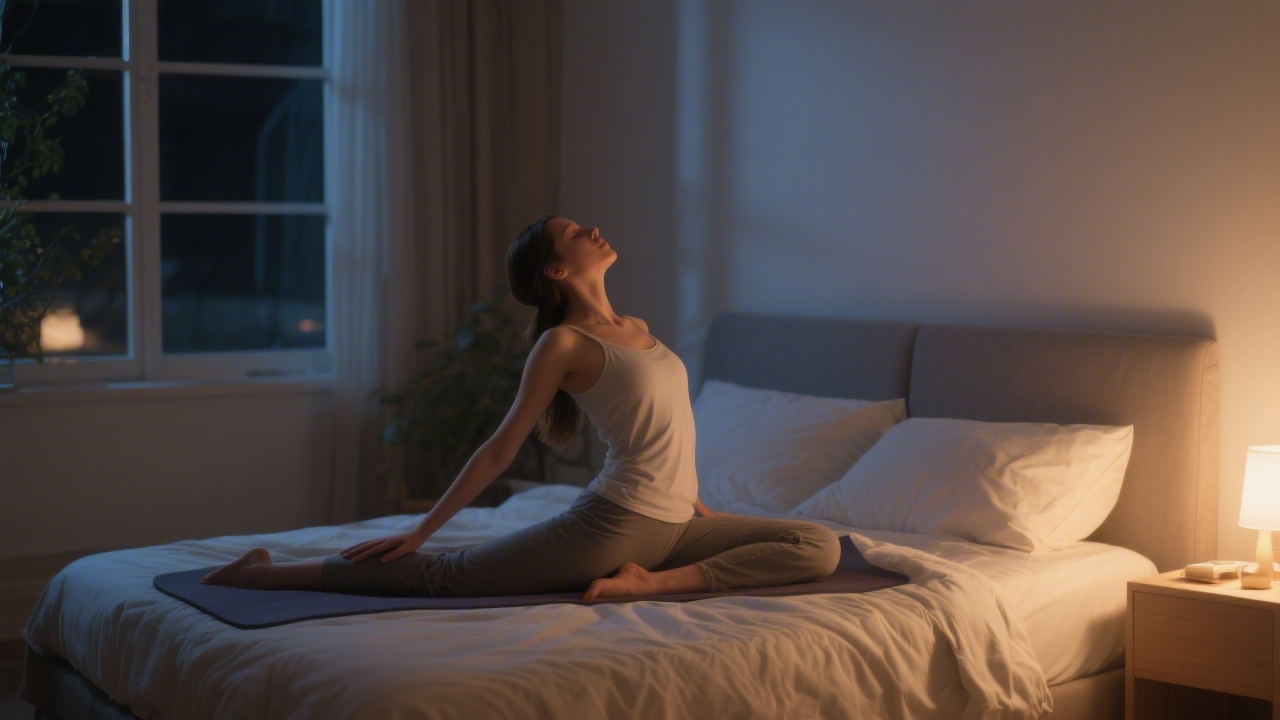
| Restorative yoga / stretching | Neutral to positive | Yes — actively supports sleep |
| Walking (easy) | Neutral | Yes |
| Light strength training | Mild negative for some | Finish 60+ min before bed |
| Moderate jogging | Mild to moderate negative | Finish 90 min before bed |
| HIIT / sprint intervals | Significantly disruptive | Finish 2+ hours before bed |
| Heavy compound lifting | Significantly disruptive | Finish 2+ hours before bed |
Cortisol: The Second Mechanism
Vigorous exercise acutely elevates cortisol — the primary stress hormone. Cortisol is antagonistic to sleep in that it promotes wakefulness and mobilizes energy. While cortisol typically returns to baseline within 60–90 minutes of exercise completion, individual variation is high. Athletes with high training loads, those under chronic stress, or those exercising very intensely may have prolonged cortisol elevation that extends the disruptive window beyond 90 minutes.
Individual Variation: The Strongest Predictor
The research consistently shows that individual response is the most important variable. A 2020 study tracking 1,000 participants with wearables found enormous variation: some individuals showed improved sleep quality with vigorous late-night exercise; others showed measurably worse outcomes from the same stimulus. Self-tracking for 2 to 3 weeks with a consistent protocol is the only way to know your personal response.
If you must exercise in the evening, prioritize: lower intensity, longer time before bed, a cool shower afterward (see cold shower before bed effects on sleep), and avoiding stimulant pre-workouts late in the day (see caffeine and sleep timing).
Frequently Asked Questions
How late is too late to exercise before bed?
Vigorous exercise within 90 minutes of bedtime is the most commonly cited concern based on core body temperature data. However, a 2019 meta-analysis found that moderate exercise up to 60 minutes before bed had minimal impact on sleep onset for most people. The type and intensity of exercise matters more than timing alone.
Does exercising at night affect sleep quality?
For most people, moderate evening exercise (walking, yoga, light strength training) does not impair and may improve sleep quality. Vigorous exercise — running intervals, heavy lifting, HIIT — within 90 minutes of bed can delay sleep onset by raising heart rate, core temperature, and cortisol.
What is the best time to exercise for sleep?
Morning and early afternoon exercise are most consistently associated with better sleep outcomes across research. Morning exercise also helps anchor circadian rhythm by providing an early light-and-activity signal. That said, evening exercise is far better than no exercise.
Can yoga before bed improve sleep?
Yes. Restorative yoga and gentle stretching before bed actively support sleep by activating the parasympathetic nervous system, reducing cortisol, and lowering heart rate. Multiple RCTs have found that 20–30 minutes of gentle yoga within 30–60 minutes of bedtime improves sleep quality.
Why does exercise before bed sometimes help me sleep better?
Individual variation is significant. Some people, particularly those with anxiety-driven insomnia, find that physical exhaustion from exercise overrides arousal effects. The research showing negative effects is based on population averages. If evening exercise consistently improves your personal sleep quality, the evidence supports continuing it.
Our Pick for Better Sleep
The Saatva Classic combines zoned lumbar support with a breathable Euro pillow top — built for uninterrupted, restorative sleep.