
 by
by Saatva's organic percale sheets use single-ply, long-staple cotton -- the weave and fiber quality that actually matters. Available in sizes from Twin to Split Cal King.
What Flannel Actually Is
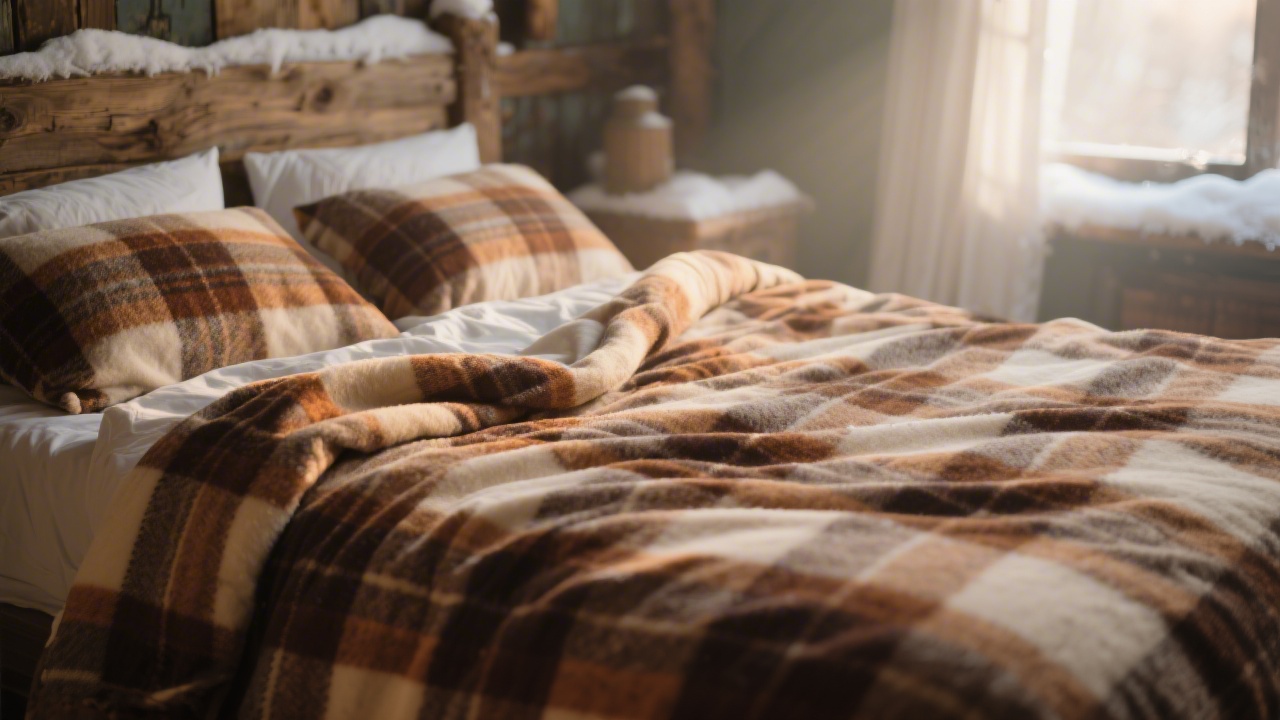
Flannel is not a fiber -- it's a finishing process. Cotton, wool, or synthetic fabric is woven into a base cloth, then brushed (napped) on one or both sides to raise fibers and create a fuzzy surface. That surface texture is what traps air and provides warmth.
Most bedding flannel is made from brushed cotton, occasionally cotton-wool blends for higher-end products. The brushing process is what distinguishes flannel from regular cotton sheeting -- it fundamentally changes the thermal properties of the same base fiber.
Pros and Cons
What We Like
- Luxury innerspring with excellent lumbar support
- Multiple firmness options available
- Free white-glove delivery and mattress removal
- 365-night trial and lifetime warranty
What Could Be Better
- Higher price than many online brands
- Heavier than foam mattresses
- Not compressed in a box
- Some off-gassing possible initially
Why Flannel Is Warmer: The Physics
The brushed surface creates millions of tiny air pockets across the fabric. Air is one of the best natural insulators. Flannel's warmth comes not from fiber thickness but from this static air layer trapped between the raised fibers and your skin.
This is also why flannel feels immediately warm -- unlike cotton, which takes body heat to warm up. When you get into a flannel-sheeted bed in a cold room, the flannel feels warm within seconds rather than the cool initial touch of cotton percale.
Where Cotton Wins
Regular cotton (especially percale weave) wins on three dimensions where flannel cannot compete:
- Temperature regulation: Cotton breathes; flannel insulates. If your bedroom exceeds 68 degrees or you run naturally warm, flannel will cause night sweats.
- Year-round versatility: A quality cotton sheet works in all seasons. Flannel is a single-season product for most climates.
- Initial softness: Good cotton sateen is immediately soft. Flannel is warm but the texture is different -- coarser against the skin until broken in.
Winter Warmth Comparison
| Factor | Flannel | Cotton Percale |
|---|---|---|
| Warmth | High (traps air) | Low-Medium |
| Breathability | Low | High |
| Year-round use | Winter only | All seasons |
| Softens with washing | Yes (but pills) | Yes (no pilling) |
| Care | Cold wash, low dry | Cold/warm, low dry |
| Lifespan | 3-5 years | 5-8 years |
Who Should Choose Flannel
Flannel makes sense if: your bedroom temperature drops below 65 degrees in winter, you sleep cold, or you live in a climate with prolonged cold winters. It also suits people who dislike the cool initial touch of cotton and want immediate warmth when getting into bed.
Who Should Choose Cotton
Cotton percale is the better choice if: you sleep hot or warm, your climate doesn't sustain cold winters, you want one set of sheets that works year-round, or you prioritize breathability and moisture management over warmth. For a detailed weave breakdown, see our sateen vs percale comparison and the dedicated percale sheets guide.
Buying Flannel: What to Look For
Weight (GSM) matters more than thread count for flannel. Target 170-200 GSM for genuine warmth. Look for 100% cotton flannel rather than polyester blends -- cotton flannel breathes better and softens more gracefully. Double-brushed flannel (both sides) is warmer and softer than single-brushed.
For a complete sheet buying framework covering all materials and weaves, see our how to buy sheets guide.
Saatva's organic percale sheets use single-ply, long-staple cotton -- the weave and fiber quality that actually matters. Available in sizes from Twin to Split Cal King.
Voted best luxury innerspring mattress with exceptional lumbar support and white-glove delivery.
Check Price & Availability FAQPage", "mainEntity": [{"@type": "Question", "name": "Is flannel warmer than cotton sheets?", "acceptedAnswer": {"@type": "Answer", "text": "Yes. Flannel's brushed surface traps a layer of warm air close to the body, making it 2-3 times warmer than equivalent-weight percale cotton. The difference is most pronounced in the 60-65 degree bedroom temperature range."}}, {"@type": "Question", "name": "Does flannel make you sweat more?", "acceptedAnswer": {"@type": "Answer", "text": "Flannel retains heat effectively, which means it can cause night sweats if your bedroom is warm or you run hot. It's best suited to sleepers in cold climates or rooms where temperature drops below 65 degrees overnight."}}, {"@type": "Question", "name": "Can you use flannel sheets year-round?", "acceptedAnswer": {"@type": "Answer", "text": "Flannel sheets are typically too warm for summer use in most climates. A practical approach is to switch to cotton percale for spring and summer and return to flannel from October through March."}}, {"@type": "Question", "name": "What weight flannel sheet is best?", "acceptedAnswer": {"@type": "Answer", "text": "Look for at least 170 GSM (grams per square meter) for warmth. Most quality flannel sheets range from 170-200 GSM. Below 150 GSM is too thin to provide meaningful warmth; above 200 GSM starts to feel heavy."}}, {"@type": "Question", "name": "How long do flannel sheets last?", "acceptedAnswer": {"@type": "Answer", "text": "Quality flannel sheets (170+ GSM, long-staple cotton) typically last 3-5 years with weekly washing. Pilling is the main durability issue -- it occurs as short fibers break free during washing. Single-ply, long-staple flannel pills less than cheap blended options."}}]}