
 by
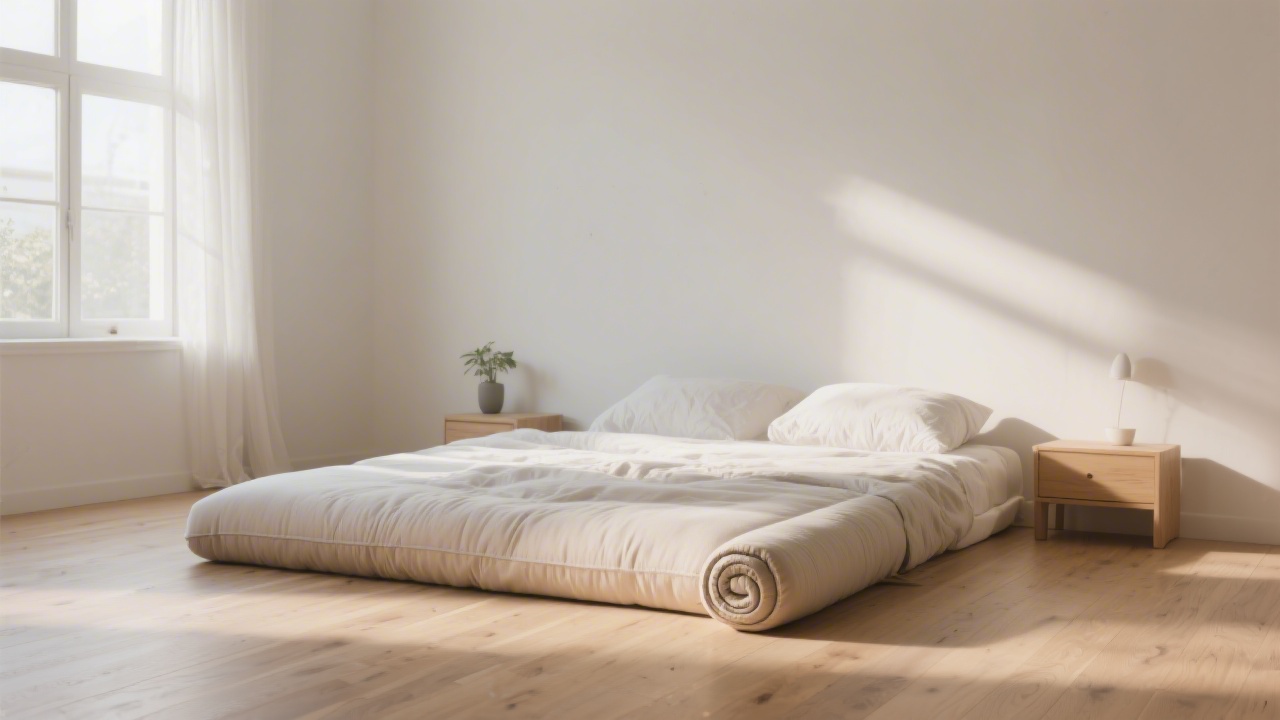
by Sleeping on the floor is not a new concept. In many cultures it remains the default. In others, people turn to it specifically to escape back pain or to simplify their sleep setup. This guide covers what the research actually says, who benefits, and how to do it safely if you decide to try it.
Editor's Pick
Saatva Classic Mattress
America's best-reviewed luxury innerspring — white-glove delivery, 365-night trial, lifetime warranty.
Most people who try floor sleeping find a quality mattress solves the same problems with far less discomfort.
Affiliate disclosure: We earn a commission at no extra cost to you.
Why People Try Floor Sleeping
The most common reason is lower back pain. When a mattress sags or is too soft, the lumbar spine falls out of alignment. A hard floor does not sag, so some people find immediate relief. Others try it for minimalist lifestyle reasons, cost savings, or because they've read about traditional Japanese sleep practices.
The second most cited reason is heat. Floors are typically cooler than elevated beds, which some people find helpful for temperature regulation during sleep.
What the Research Actually Shows
Clinical evidence on floor sleeping is sparse. Most support comes from anecdote and cultural practice rather than randomized controlled trials. What the research does show:
- Firm surfaces can help some back pain sufferers — a 2015 study in Sleep Health found that medium-firm mattresses, not soft or extra-firm, produced the best outcomes for non-specific low back pain.
- The floor is harder than medium-firm — which means it may overshoot the target for most people.
- Pressure points are real — without cushioning, bony prominences at the hips, shoulders, and knees create localized pressure that disrupts sleep cycles.
How to Sleep on the Floor Without a Mattress
If you decide to try it, a direct hard floor contact is rarely the optimal approach. Here is what makes floor sleeping more sustainable:
- Use a firm mat or futon — A 2-4 inch firm cotton or wool futon provides insulation from the cold floor and reduces pressure without adding significant softness. See our Japanese floor bed guide for details on this system.
- Insulate from cold — Hard floors draw body heat. A thin wool blanket underneath significantly improves thermal comfort.
- Use your regular pillow — Pillow height should match your shoulder width. Floor sleeping does not change this requirement.
- Sleep in the back position first — Side sleeping on a hard floor puts direct pressure on the greater trochanter (hip bone) and acromion (shoulder tip). Back sleeping distributes weight more evenly.
- Start with naps — Test with 20-30 minute naps before committing to full nights.
Risks and Downsides
Floor sleeping is not risk-free:
- Dust and allergens — Floors accumulate allergens that elevated beds avoid. This matters significantly for asthma and allergy sufferers.
- Cold exposure — In non-heated rooms, floor temperatures drop significantly. Cold extremities disrupt sleep quality.
- Shoulder and hip pain — Side sleepers almost universally report these symptoms within days.
- No adjustment for body weight — Heavier individuals experience more acute pressure point pain on hard surfaces.
- Fall and access risk — Getting up from the floor at night, especially in the dark, increases fall risk for older adults.
When Floor Sleeping Actually Helps
Floor sleeping has a legitimate role in specific circumstances: camping, emergency situations, temporary accommodations, or short-term pain management experiments under professional guidance. As a permanent sleep solution for most adults, the downsides outweigh the benefits compared to a well-fitted mattress.
If your mattress is the actual problem, upgrading to a properly supportive mattress will provide the spinal alignment benefits of a firm surface without the pressure point issues. See our guide to setting up a new mattress correctly for how to get the most from that upgrade.
Editor's Pick
Saatva Classic Mattress
America's best-reviewed luxury innerspring — white-glove delivery, 365-night trial, lifetime warranty.
Affiliate disclosure: We earn a commission at no extra cost to you.
Frequently Asked Questions
Is sleeping on the floor good for your back?
For some people with certain lower back conditions, a very firm surface provides temporary relief. But most orthopedic guidelines recommend a supportive mattress rather than hard floors, which can cause pressure points at hips and shoulders.
How long does it take to adjust to floor sleeping?
Most people report a 1-4 week adjustment period. If pain increases after 2 weeks, the floor is not a good fit for your anatomy.
What do you put on the floor to sleep on?
A Japanese-style futon, thick yoga mat, or camping pad provides some insulation from the cold floor and softens hard contact points without negating firmness benefits.
Does floor sleeping help posture?
There is limited clinical evidence. Floor sleeping forces the spine into a neutral plane for back sleepers, but side sleepers often develop shoulder and hip pain from lack of cushioning.
Who should avoid floor sleeping?
People with arthritis, hip replacements, cold sensitivity, or difficulty getting up and down. Older adults face fall risk when rising from the floor.