
 by
by Saatva Percale Sheet Set
9.0/10
For a percale-versus-linen shopper, this is the cleanest partner recommendation because the intent is sheets, not a mattress.
PlushBeds Organic Cotton Sheet Set
8.8/10
A softer cotton alternative if the reader likes cotton but wants less of the crisp percale feel.
Percale sheets are crisp, cool and smooth, made from tightly woven cotton with a thread count of 200 or above. Linen sheets are woven from flax fibers, feel textured and breathable, and soften with every wash. Percale wins for a hotel-crisp feel and budget; linen wins for all-season breathability and longevity. Both outperform sateen and microfiber for airflow.
You spend a considerable chunk of your life sleeping, and deciding what kind of sheets to sleep on matters more than most people think. If you are weighing percale against linen, here is a detailed comparison of both fabrics across comfort, durability, price and care.
What is a percale sheet?
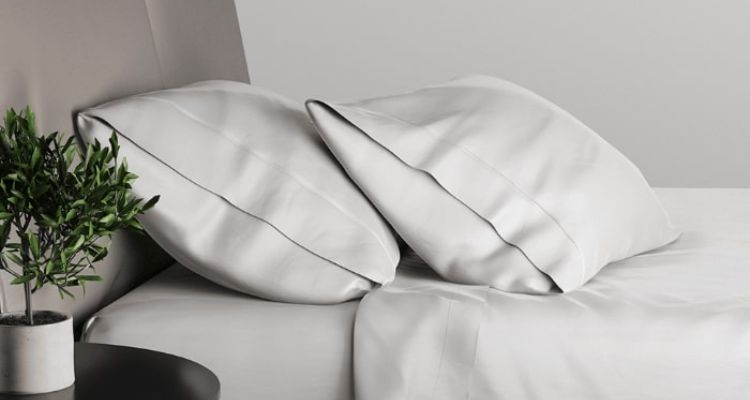
Percale refers to a weave style, not a raw fiber. A percale weave is a one-over-one-under pattern that produces a fabric that is airy, light to the touch and crisp. It is most often made from cotton, though you will find percale in cotton-polyester blends. This weave structure is exactly what makes percale sheets a popular choice for hot sleepers (also see our guide to the best sheets for summer).
Who should use percale sheets?
Percale sheets are cool, crisp and airy. They give you the classic hotel-bed feel (check our list of the best hotel mattresses). These sheets are more than breathable; they actively work to cool you down. If you are a year-round hot sleeper, percale works well throughout the year. If you sleep cold, you might want to save these for summer.
Percale pros and cons
Smoothness: The percale weave creates a soft, flawless surface that feels similar to a freshly pressed shirt. Thread counts between 200 and 400 hit the best balance of durability and breathability.
Breathability: The tight but open weave allows air to flow freely, making percale one of the best-performing fabrics for hot sleepers.
Durability: A percale weave is tightly knit, which is why most hotels choose it. Quality percale holds up well, though fibers can pill sooner at lower thread counts.
Wrinkle-prone: Most percale sheets are 100 percent cotton, and cotton wrinkles. Expect to iron them for that crisp finish, or accept the casual lived-in look.
Not warm enough for cold sleepers: Percale is very lightweight and breathable. It is ideal for hot sleepers, but if you sleep cold, you may find it too cool.
What is a linen sheet?
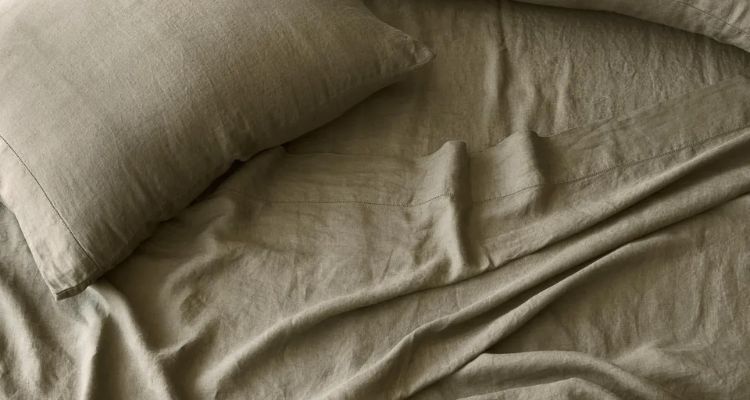
Cotton comes from cotton plants. Linen is a natural fiber from the flax plant, made from cellulose fibers along the plant's stem, which makes it stronger than most other fibers. It is a versatile, durable and absorbent fabric. Linen is naturally hypoallergenic, which makes it well suited to people with allergies and sensitive skin (see our picks for the best sheets for allergies).
Who should use linen sheets?
Linen is on the pricier end of bedding options and offers a luxury-casual feel. If you want bedding that gets better with age and lasts a decade or more, linen is the better long-term investment. New linen can feel stiff or slightly rough, but it softens dramatically after several washes.
Linen pros and cons
All-season breathability: Linen is naturally temperature-regulating, wicking moisture in summer and retaining warmth in winter. Its moisture-wicking properties make it particularly useful for people with night sweats.
Durability: Flax fibers are thicker and stronger than cotton. Quality linen sheets can easily last 10 years or more, and the fabric actually improves with age.
Low maintenance: Linen is easily washable in your machine or dry-cleanable, and it does not require special storage.
Wrinkles easily: Linen tends to wrinkle very easily. Many people consider this part of its casual, relaxed aesthetic, but if you want a crisp-looking bed, it requires attention.
Higher price point: Linen starts at roughly $100 for a set, versus as low as $20 for entry-level percale. The investment pays off over years of use.
Percale vs linen: the key differences
Linen sheets are made from flax stalks. The threads from this plant are thicker than cotton fibers, so linen feels heavier than percale and is often measured by weight rather than thread count. When linen is given a thread count, it lands on the lower end (80 to 150), since the individual fibers are bulkier.
Percale will feel smoother and softer to the touch from night one. Linen feels more textured but gets softer with every wash, eventually reaching a worn-in comfort that is difficult to replicate with any other fabric.
For breathability, both fabrics work well for hot sleepers. Linen adds moisture-wicking properties on top of airflow, making it a stronger choice in humid environments where night sweats are an issue.
Percale comes in more variety in terms of fiber type. Cotton percale sheets can be traditional, suprema or Egyptian cotton. Suprema and Egyptian cotton are more durable than regular percale cotton, though they cost more.
How linen and percale are similar
Both linen and percale are excellent options for hot sleepers, offering strong breathability and open construction that lets air flow through. Both are low-maintenance, generally machine-washable, and made from natural materials, which makes them more environmentally friendly than synthetic sheet options.
Percale vs linen: side-by-side comparison
| Feature | Percale | Linen |
|---|---|---|
| Thread count | 180 to 400 | 80 to 150 (measured by weight) |
| Fiber | Cotton (or cotton-poly blend) | Flax plant |
| Feel | Crisp, smooth, cool to touch | Textured, softens over time |
| Breathability | Excellent, best for summer | Excellent, year-round regulation |
| Moisture wicking | Good | Very good, natural property |
| Durability | Good (may pill at low thread count) | Excellent, improves with age |
| Wrinkles | Yes, irons easily | Yes, part of the aesthetic |
| Price (queen set) | From ~$20 to $200+ | From ~$100 to $300+ |
| Best for | Budget, hot sleepers, hotel feel | Long-term investment, all seasons |
Which fabric sleeps better?
Choosing between percale and linen comes down to how you sleep, what climate you are in, and how much break-in time you are willing to accept.
If you want hotel-crisp coolness on a budget and a sheet that is comfortable from the first night, go with percale. A thread count between 200 and 400 in long-staple cotton hits the best balance of durability and feel.
If you prefer an all-season sheet that gets better with every wash and you are willing to pay more upfront for longer-lasting bedding, invest in linen. Linen is the stronger call for humid climates or people who run warm year-round.
Either way, both fabrics outperform sateen and microfiber for airflow. If you are also shopping for a cooling mattress, pairing it with percale or linen sheets gives you the most breathable sleep system.
What actually matters in bedding quality
The bedding industry is full of inflated claims about thread counts and miracle fabrics. Here is what genuinely affects your sleep quality.
Fiber quality over thread count. Long-staple cotton at 300 thread count outperforms short-staple cotton at 1,000 thread count. The fiber length determines softness and durability, not the number of threads.
Weave type for your climate. Percale breathes best for hot sleepers. Sateen feels silkier but traps slightly more heat. Jersey knit is stretchy and casual. Choose based on how you sleep, not how it looks in photos (also compare percale vs sateen).
Care requirements. The best bedding is the bedding you actually wash regularly. If a product requires dry cleaning or special handling, you may neglect it.
Great bedding on a bad mattress has limits. If your mattress is more than 7 to 8 years old, upgrading it will improve your sleep more than any sheet set. Check our guide to the best mattresses for a starting point.
Percale is crisp, cool and budget-friendly, ideal for hot sleepers who want a hotel feel from night one. Linen costs more upfront but improves with age and provides year-round temperature regulation. For most people, long-staple cotton percale at 200 to 300 thread count is the practical best choice.
Frequently asked questions
Is percale or linen better for hot sleepers?
Both work well for hot sleepers. Percale provides a crisp, cool-to-the-touch feel from night one. Linen adds moisture-wicking properties, making it the stronger choice if you have night sweats or sleep in a humid climate.
How long do linen sheets last compared to percale?
Quality linen sheets regularly last 10 years or more, and the fabric improves with age. Percale sheets are durable but tend to show wear sooner, especially at lower thread counts. If longevity matters to you, linen is the better investment.
Do linen sheets soften over time?
Yes, that is one of linen's defining qualities. New linen can feel stiff or slightly rough. After several washes, the fibers soften considerably, reaching a broken-in comfort that many people prefer over the feel of the first night.
What thread count is best for percale sheets?
Thread counts between 200 and 400 offer the best balance of breathability and durability for percale. Above 400, you are often paying for marketing rather than noticeable quality gains.
Can you use percale sheets year-round?
Yes, particularly if you sleep warm. In very cold climates or for cold sleepers, percale may feel too cool in winter. Layering a heavier duvet or comforter over percale sheets is a practical workaround for shoulder seasons.