
 by
by Ready to sleep like nature intended? The Saatva Classic mattress is built around spinal alignment science — the same principle that drives sleep posture in every vertebrate species. See current pricing →
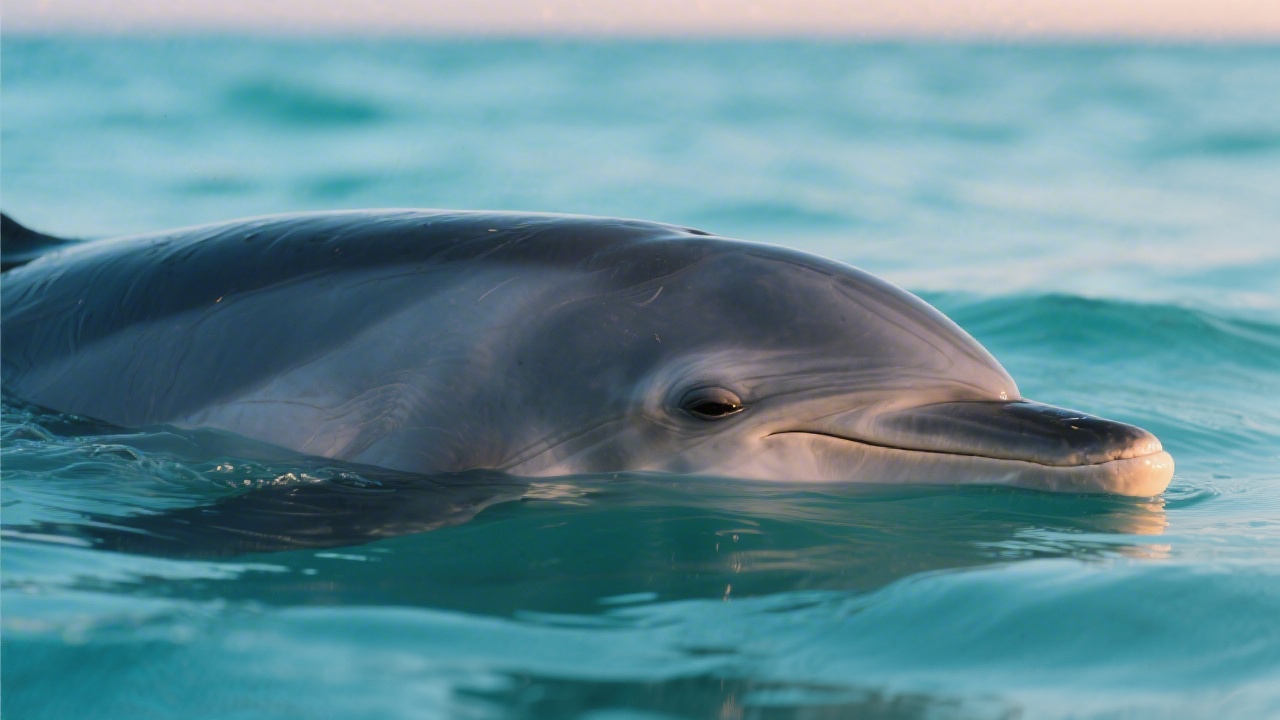
When a dolphin rests, half its brain stays awake. When a giraffe finally lies down, it does so for only a few minutes at a time. When sea otters sleep on the ocean surface, they hold hands with their companions to avoid drifting apart.
Animal sleep is one of biology's great laboratories. Every species has evolved a unique solution to the same problem: how to get the restorative benefits of sleep while managing predation, breathing, migration, and survival. Understanding these adaptations does not just reveal nature's ingenuity — it illuminates why your sleep matters so fundamentally.
Why Every Animal Sleeps
Sleep is expensive from an evolutionary standpoint. An unconscious animal cannot flee predators, find food, or reproduce. Yet sleep has persisted across 600 million years of animal evolution — which tells us its benefits must be extraordinary.
Research confirms several universal sleep functions: synaptic pruning (clearing metabolic waste from the brain), immune system strengthening, memory consolidation, cellular repair, and hormonal regulation. These functions appear in fruit flies, fish, birds, and mammals alike.
The fact that even genetic variations in sleep need are conserved across species suggests sleep's architecture is deeply ancient.
Unihemispheric Sleep: The Half-Brain Solution
The most dramatic animal sleep adaptation is unihemispheric slow-wave sleep (USWS), in which one brain hemisphere rests in slow-wave sleep while the other maintains waking alertness. Dolphins, porpoises, fur seals, and many migratory birds all use this system.
In dolphins, USWS means the animal can surface to breathe every few minutes, keep swimming in formation, and watch for sharks — all while one hemisphere sleeps. The eye connected to the sleeping hemisphere closes; the other stays open. They alternate hemispheres roughly every two hours.
Giraffes: The Extreme Short Sleeper
Wild giraffes average only 4.5 hours of sleep per 24-hour period, typically in brief standing micro-naps of 5-10 minutes. They lie down fully — making themselves vulnerable — for only a few minutes at a time, usually just before dawn when predation risk is lowest.
This pattern matches their ecological reality: large body, long legs, low predator vigilance when prone, constant need to graze. The lesson for humans? Sleep architecture is shaped by environment and threat level. A stressful sleeping environment — poor mattress, noise, anxiety — activates similar threat responses in the human brain, suppressing deep sleep.
Sea Otters: The Social Sleepers
Sea otters sleep floating on their backs on the ocean surface, anchoring themselves to kelp beds with their paws when available. When in groups (called rafts), they hold hands or interlock flippers to prevent the current from separating the group while they sleep.
This behavior is not mere cuteness — it is a survival strategy. Social sleeping provides shared predator vigilance, thermal regulation, and pup protection. Humans, too, evolved as social sleepers; co-sleeping is the global norm in most traditional societies. The modern solitary sleeper is the historical exception.
Migratory Birds: Sleep While Flying
Certain species like the alpine swift and common swift spend months airborne. Research using EEG transmitters on frigatebirds confirmed they can achieve both USWS and brief bilateral sleep episodes while soaring on thermals at altitude. Full guide to migratory bird sleep →
Marine Mammals: Sleeping Without Drowning
Sperm whales have been observed in "logging" behavior — vertical, motionless floating at the surface in groups — for up to two hours at a time. This is believed to represent their slow-wave sleep phase. Unlike dolphins, sperm whales appear to use bilateral sleep, possibly because they can hold their breath for extended periods. Explore underwater sleep adaptations →
Bears: The Metabolic Miracle
Black bears and grizzlies sleep for 5-7 months in a state of torpor that shares some characteristics with sleep but is metabolically distinct from true hibernation. During this period, their body temperature drops only slightly, and they do not eat, drink, urinate, or defecate. Yet they emerge in spring with minimal muscle atrophy — a phenomenon that has attracted intense research for human spaceflight applications. See all animal sleep superpowers →
What This Means for Your Sleep
Every adaptation above points to the same conclusion: sleep is not optional. No animal species has evolved away from it. The question is not whether to sleep, but how to sleep as well as your biology allows.
For humans, the research-backed variables are consistent: darkness, cool temperature, low noise, and a sleep surface that supports natural spinal alignment. The last variable — surface quality — is the one most directly within your control. See our top mattress picks for 2026 →
Frequently Asked Questions
Do all animals sleep?
Every animal studied so far shows some form of sleep or sleep-like rest. Jellyfish, fruit flies, and even nematodes have demonstrable sleep states, suggesting sleep evolved very early in the history of animal life.
Which animal sleeps the most?
Brown bats and koalas lead the charts, sleeping 18-22 hours per day. Their high-sleep diets and low metabolic strategies drive this extreme rest.
Which animal sleeps the least?
African elephants in the wild average about 2 hours of sleep per day — the least of any land mammal studied, likely due to constant grazing demands.
Why do dolphins sleep with one eye open?
Dolphins use unihemispheric slow-wave sleep (USWS), resting one brain hemisphere at a time. The eye connected to the sleeping hemisphere closes; the other stays open.
What can animal sleep teach us about our own sleep?
Sleep duration is species-specific, deprivation impairs cognition across all species, REM sleep appears tied to memory, and environment quality directly shapes sleep quality — even in wild animals.
Your Mattress Should Work With Your Biology
Every animal studied sleeps for a reason. Humans are no exception. A properly supportive mattress is not a luxury — it is what lets your brain do its nightly repair work.