

 by
by 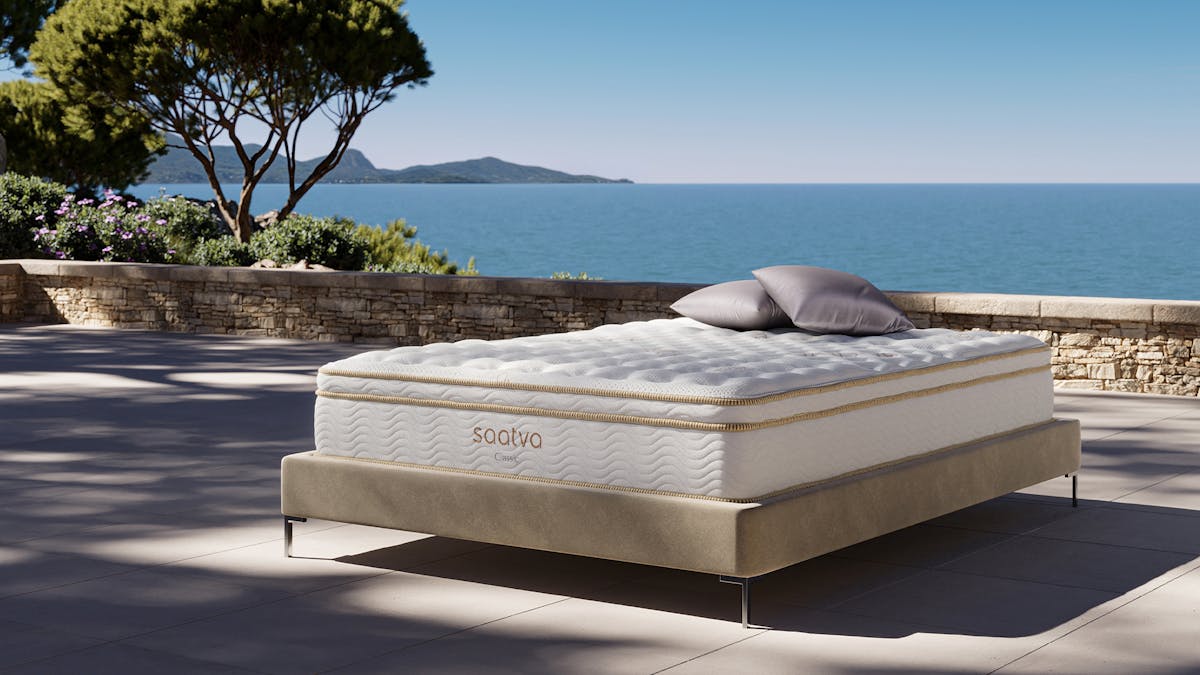
Quick answer: Most people adjust to a new mattress in 2 to 4 weeks. Dense memory foam can take the full 30 to 90 days to break in. Two things are happening at once: your body is re-learning how to rest on a supportive surface, and the mattress materials are softening to your shape. Sleep on it every night, keep the room moderately warm, and give it at least 30 nights before you judge it.
Here's the short version of who needs to worry and who doesn't. If your new mattress felt too firm on night one, that's normal, not a defect. If you're waking up slightly sore in week one, that's usually adaptation, not a bad mattress. The cases that actually go wrong are the ones where discomfort is still getting worse after 4 to 6 weeks, and I'll show you exactly how to tell the difference below.
Why Adjustment Takes Time: Body and Mattress
Two separate processes run in parallel during the break-in period, and understanding both makes the first uncomfortable nights easier to tolerate.
Your body is relearning
Your muscles and joints spent months, sometimes years, conforming to the sags and indentations of your old mattress. If that old bed was past its useful life (most mattresses have a finite window, and I cover how long a mattress should last separately), your body adapted to a failing surface. A new, supportive mattress changes your sleeping posture, and muscles that were not being used start doing work again. That low-grade morning soreness in the first week or two is real, and it is not a sign the mattress is bad. It is roughly what you feel the day after a workout: adaptation, not damage.
The mattress itself is breaking in
Foam layers, whether memory foam or poly foam, soften slightly as they absorb heat and bear weight repeatedly. Showroom models feel more plush than the same model fresh from the factory box precisely because hundreds of shoppers have already pressed into them. A brand-new mattress is at its firmest on night one. That changes, gradually, as you sleep. I have a full breakdown of the materials side in my guide on how long it takes to break in a mattress, but the short version is: foam needs heat and compression cycles, and coils need almost nothing.
The Nut's rule of thumb: if the mattress feels a bit too firm but you are sleeping through the night, you are in normal break-in territory. If you are waking up with sharper pain than you had on your old mattress, start paying close attention around the 4-week mark.
Typical Timeline by Mattress Type
Construction is the single biggest variable here. From a materials standpoint, this ranking makes sense: anything with a steel coil support core settles fast because steel does not need to soften, while dense viscoelastic foam needs repeated heat-and-weight cycles to reach its final feel.
| Type | Typical break-in | Notes |
|---|---|---|
| Memory foam | 30–90 days | Higher density = longer adjustment; heat speeds it up |
| Latex | Days to 2 weeks | Feels consistent early; minimal break-in required |
| Innerspring / Hybrid | 1–3 weeks | Coils settle quickly; foam comfort layers take slightly longer |
| Pocket spring | 2–3 weeks | Settles at a steady pace |
These ranges assume you are sleeping on the mattress consistently. If you retreat to the couch or a guest room on bad nights, the clock effectively resets.
What the First Weeks Actually Feel Like
The pattern verified owner reviews describe most often looks like this, and it matches how the materials behave.
First stretch (about 1 to 2 weeks in): the mattress feels firmer than expected, especially if you tested a floor model in a store. Morning stiffness is common. Foam comfort layers are just starting to respond to your body heat and weight distribution.
Middle stretch (roughly 2 to 4 weeks): the surface starts to feel noticeably more forgiving, particularly under the shoulders and hips where you concentrate the most pressure. Most sleepers report the soreness fading here. For hybrids and innersprings, this is usually where the mattress reaches its long-term feel.
Late stretch (4 to 6 weeks and beyond): dense memory foam keeps softening gradually. This is also the decision window: if things are improving, keep going. If discomfort is flat or getting worse, you are likely dealing with a fit problem, not a break-in problem.
Factors That Change Your Timeline
Not everyone lands inside the average window. These are the variables that push adjustment shorter or longer.
- Body weight. Heavier sleepers compress foam more per night, which tends to accelerate the softening phase. Lighter sleepers (especially on firm foam) may need the longer end of the range because they simply don't press as deeply into the comfort layers.
- How worn your old mattress was. The bigger the gap between the sagging old surface and the new supportive one, the more postural relearning your body has to do.
- Sleep position. Side sleepers put concentrated pressure through shoulders and hips, so they notice foam firmness more than back sleepers do, and they often take longer to feel comfortable on a too-firm surface.
- Room temperature. Memory foam is temperature-sensitive by design. A cold bedroom keeps the foam stiff and slows the whole process.
- Foam density. Low-density memory foam (3–4 lb per cubic foot) may settle in 3–4 weeks. High-density foam (5 lb and up) can take the full 60–90 days.
- Consistency. Every night you sleep somewhere else, you slow down both the body's adaptation and the mattress's break-in.
How to Speed Up the Adjustment Period
Sleep on it every night, without exception. Inconsistency is the biggest reason people still feel unsettled at week three. Your body needs repeated exposure to lock in new sleep posture habits.
Apply body weight during the day. Walking across the mattress on your hands and knees for a few minutes, or simply pressing firmly across the surface, compresses the foam layers and accelerates softening. It sounds excessive but it works, especially for dense memory foam.
Keep the room warm. A room that is too cold keeps temperature-sensitive foam stiff. A moderate room temperature, around 68–72°F, lets the foam respond more quickly to body heat.
Use a solid, correctly sized foundation. A sagging box spring or a slatted base with gaps wider than 3 inches undermines the mattress's support structure. Poor support will make any mattress feel wrong, even after a full break-in.
Rotate the mattress every few weeks. This evens out the wear and prevents one side from softening faster than the other.
Common mistake: judging the mattress on night one through night seven and initiating a return inside the first week. Nearly every brand's trial exists because the industry knows the first fortnight tells you almost nothing about long-term fit.
When to use your sleep trial
Most brands offer 90-night to 365-night sleep trials specifically because the industry knows adjustment takes time. The Saatva Classic, for example, comes with a 365-night trial per saatva.com, long enough to cover any reasonable adjustment window. If the mattress is still causing discomfort or back pain after 4 to 6 weeks, the firmness is likely wrong for your body type or sleep position. That is not a break-in problem; it is a fit problem. Use the trial to exchange or return, not to suffer through it.
The Saatva Classic (queen listed around $2,229 on the brand's site) is a coil-on-coil hybrid, which means it tends to feel close to its final comfort level within the first two weeks, substantially shorter than dense memory foam. If you want to minimize the adjustment period altogether, innerspring hybrids are consistently the fastest to settle. Explore the Saatva Classic →
Break-In Problem or Bad Fit? How to Tell
This is the part most guides skip, and it matters more than any timeline table. After years of looking at how these materials age, here's how I separate the two.
Signs it's normal break-in: the mattress feels firmer than expected but you still fall asleep and stay asleep. Morning stiffness fades within an hour of getting up. Each week feels marginally better than the last. Discomfort is dull and generalized, not sharp or localized.
Signs it's a bad fit: pain that is sharper than anything you had on the old mattress. Numbness or tingling in arms or hips, which points to excessive pressure at contact points. Symptoms that are identical or worse at week five compared to week one. Waking up repeatedly at night when you didn't before.
The trend line is everything. Improvement, even slow improvement, means wait. A flat or worsening trend after 4 to 6 weeks means the firmness level does not match your sleep position, and no amount of additional nights will fix a mismatch. If you're unsure what a mattress at the end of its life looks like on the other side, my piece on how long a mattress should last covers the durability side.
Frequently Asked Questions
Is it normal for a new mattress to feel harder than the one in the store?
Yes, and it is one of the most common sources of buyer anxiety. Floor models have been broken in over weeks or months of use. The mattress you receive is at peak firmness. Expect the feel to soften over the first few weeks, usually most noticeably in the first 30 days.
Why does my back hurt more on my new mattress?
Temporary soreness in the first 1–2 weeks is common as your spine adjusts to a different support profile. If the pain is sharp, disrupts sleep, or continues past 4–6 weeks, the mattress firmness may not match your sleeping position. Side sleepers generally need more pressure relief; back and stomach sleepers need more support. See our deeper look at whether a new mattress can cause back pain and how to tell the difference between adjustment soreness and a bad fit.
How long does memory foam take to break in?
Longer than most other types. Low-density memory foam (3–4 lb per cubic foot) may settle in 3–4 weeks. High-density foam (5 lb+) can take the full 60–90 days. Sleeping warm and applying firm pressure during the day both help move this along.
Can I speed up the break-in by sleeping on both sides?
Only if the mattress is designed to be flippable, which most modern foam and hybrid mattresses are not. Check the manufacturer's guidance. For non-flippable mattresses, rotate head-to-foot every 2–3 weeks instead.
At what point should I stop waiting and return the mattress?
Give it a minimum of 30 nights before drawing any conclusions. For memory foam, extend that to 60 nights if the discomfort is mild and improving. If you are still waking with pain, stiffness, or disrupted sleep after 4–6 weeks with no improvement trend, the mattress is not the right fit. Contact the retailer to start the exchange or return process before the trial window closes.
Do hybrids and innerspring mattresses break in faster than foam?
Generally, yes. The steel coil system does not require the same kind of softening that foam does. Most hybrids feel close to their long-term comfort profile within 1–2 weeks. The body-adaptation side of the equation still applies, your muscles and posture still need time, but you are not waiting on the materials as long.
Bottom Line
Plan for 2 to 4 weeks for most mattresses, and up to 90 days for high-density memory foam. Sleep on it every night, keep the room around 68–72°F, and apply pressure to the foam during the day. Track the trend, not individual nights: improvement means keep going, and flat-or-worse after 4 to 6 weeks means use your sleep trial to swap firmness levels rather than waiting it out. That is exactly what the trial is for.
Related: our full Saatva Classic review (365-night trial, queen ~$2,229, per the brand's site).