
 by
by How you arrange bedroom furniture has measurable effects on sleep quality, morning energy, and overall room function. The principles are simple but often counterintuitive, rooted in both ergonomics and the psychology of how our brains respond to spatial environments during rest.
TL;DR
This mattress review covers construction, firmness, trial/warranty, price, and who it fits. Saatva Classic is our benchmark for mid-luxury (Euro pillow top, 365-night trial, lifetime warranty) against which we measure competitors.
Jump to section
Make the look happen: Saatva beds & furniture
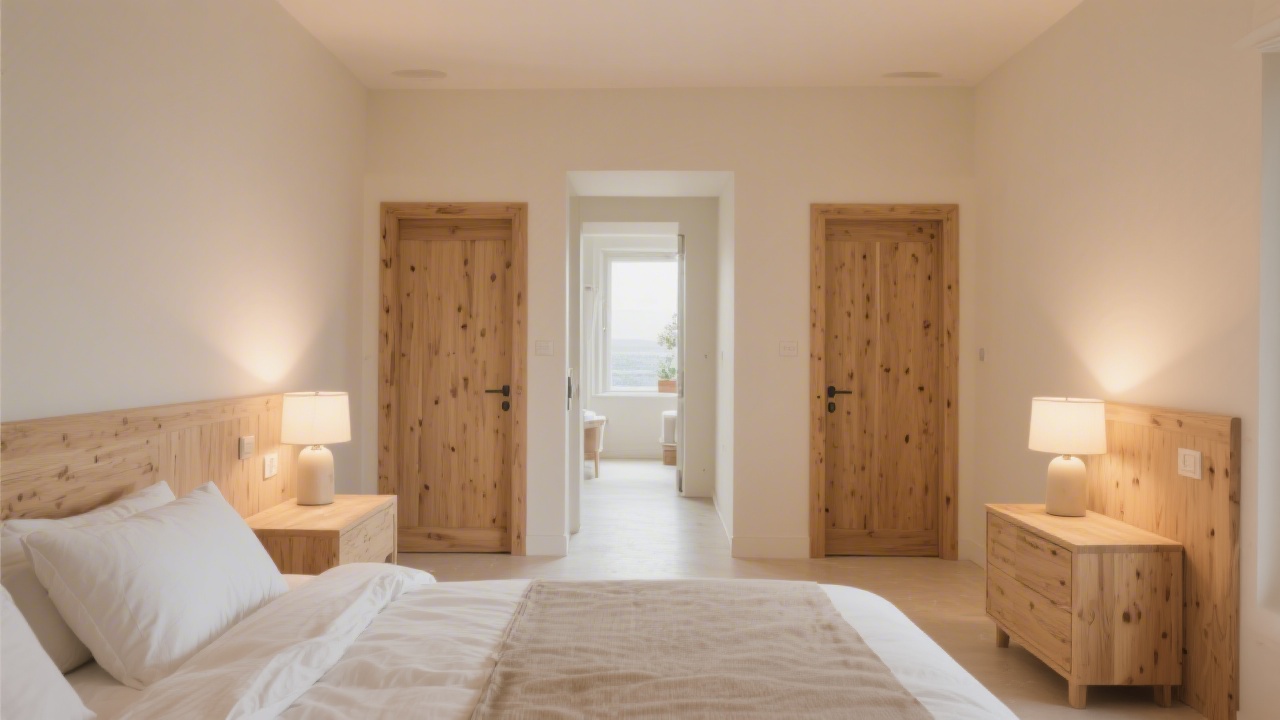
Saatva's furniture catalog matches the look of the bedrooms featured above with handcrafted, solid-wood construction rather than MDF veneer. The collection covers upholstered bed frames (linen, velvet, leather), four-poster & canopy beds, platform beds, storage beds with hydraulic lift, and matching nightstands, dressers, benches, and headboards.
All furniture ships via free White Glove delivery with in-room setup, removal of packaging, and assembly included. Current promotion: up to $625 off sitewide, plus the $225 off orders $1,000+ professional discount via ID.me (military, veterans, first responders, nurses, teachers).
Ownership terms: 45-day return on furniture, 1-year warranty on frames. Pairs naturally with the Saatva Classic mattress.
The Commanding Position: Where the Bed Goes
The single most important furniture placement decision in a bedroom is where to put the bed. The principle of the commanding position - used in both ergonomic interior design and traditional feng shui - states that the bed should be positioned so that:
- You can see the bedroom door from the bed.
- The bed is not directly in line with the door.
- The headboard is against a solid wall.
- There is open space on both sides if possible.
The reason this works neurologically: when you cannot see the entrance to a room while lying down, your brain's threat-detection system maintains a low-level alertness to compensate. This subconscious vigilance improves cortisol and disrupts deep sleep cycles. The commanding position resolves this by giving the brain passive visual control of the room without requiring active monitoring.
Traffic Flow: The 24-Inch Rule
Every path you regularly walk in the bedroom should have at least 24 inches of clear space. This includes:
- Both sides of the bed where you enter and exit.
- The path from the bedroom door to the bed.
- The path from the bed to the bathroom or wardrobe.
Tight clearances around furniture force awkward body movements that activate muscle tension - the opposite of the relaxed physical state needed for falling asleep. In smaller rooms, 18 inches is the minimum, but 24 to 36 is the working standard.
The foot of the bed needs at least 36 inches of clearance for comfortable dressing and unrestricted movement. This is the most commonly underestimated measurement in bedroom layout.
Furniture Arrangements That Promote vs. Inhibit Sleep
Arrangements That Promote Sleep
- Symmetrical nightstands: Matching nightstands on both sides of the bed create visual balance that the brain processes as calm and resolved. Asymmetry creates low-level visual tension.
- Dresser on a side or facing wall: Not opposite the bed at eye level. You do not want to wake up looking directly at a surface that prompts task thinking.
- No furniture blocking natural light: Windows should not be blocked by tall furniture, as natural morning light is the primary signal for your circadian rhythm.
Arrangements That Inhibit Sleep
- Bed against a window: Cold drafts, early morning light, and the psychological exposure of having your head near a window all work against quality sleep.
- Bed directly facing the door: Creates a visual exposure that keeps threat-detection active.
- Desk or work area in sightline: Work triggers cognitive arousal. If you must have a desk in the bedroom, position it so it is behind you or out of view from the bed.
- Mirror facing the bed: Creates visual stimulation at night and can cause brief disorientation during nighttime waking.
Small Bedroom Solutions
In rooms where the commanding position seems impossible to achieve, use this priority order:
- Headboard against a wall - always the starting point.
- Maximize the angle toward the door. Even a partial sightline is better than none.
- Keep bed-to-door path clear (minimum 18 inches).
- Remove any furniture that cannot provide adequate clearance - prioritize the bed experience over fitting more pieces.
Adjusting your bed height can also help in small spaces. A lower-profile mattress reduces visual bulk, making the room feel more spacious. See our guide on platform bed heights for low-profile options that work in tight rooms.
Related: Bedroom Organization for Better Sleep
Furniture arrangement and bedroom organization work together. Even a perfectly arranged room will undermine sleep if surfaces are cluttered with task-related items. Our bedroom organization guide covers what to keep and what to remove for optimal sleep quality.
CTA: A Better Bed Changes the Room
Your bed is the anchor of any bedroom arrangement. Saatva's Classic innerspring hybrid is designed to be the room's centrepiece - available in two heights (11.5 and 14.5 inches) so you can match it to your furniture arrangement and nightstand height.
Frequently Asked Questions
If you're upgrading the bed frame
Saatva Santorini Platform Bed — from $1,295
Upholstered platform bed in 6 fabric colorways to match any bedroom palette. Slat spacing safe for foam/hybrid mattresses, rated 1,000 lbs. Free white-glove delivery and assembly.
What is the commanding position for a bed?
The commanding position places the bed so you can see the door without being directly in line with it. The headboard is against a solid wall. This reduces subconscious alertness during sleep by giving the brain passive visual control of the entry point.
Should your bed face the door?
You should be able to see the door from bed, but not be directly in line with it. Seeing the entry while lying down reduces the subconscious vigilance that disrupts sleep when the brain cannot monitor the room's entrance.
How much space do you need around a bed?
Minimum 24 inches on walkable sides, 36 inches at the foot. In small rooms, 18 inches is the workable floor. Less than that creates movement friction that keeps the body in a tense state during sleep onset.
Where should a dresser go in a bedroom?
Side wall or opposite wall, positioned so it is not the first thing you see upon waking. Avoid placing it directly in the bed's sightline, as it visually activates task thinking.
Can furniture placement affect sleep quality?
Yes. Poor sightlines and blocked movement paths create subconscious anxiety that improves cortisol during sleep. Commanding position placement and clear 24-inch clearances minimize these stress responses.
Key Takeaways
- The Commanding Position: Where the Bed Goes: a key factor in making the right sleeping decision.
- Traffic Flow: The 24-Inch Rule: a key factor in making the right sleeping decision.
- How you arrange bedroom furniture has measurable effects on sleep quality, morning energy, and overall room function.
- The Commanding Position: Where the Bed Goes
The single most important furniture placement decision in a bedroom is where to put the bed.
- The bed is not directly in line with the door.
Our Top Pick: Saatva Classic
Voted best luxury innerspring mattress with exceptional lumbar support and white-glove delivery.