
 by
by Quick answer: Most adults fall asleep in 10-20 minutes. To get there faster: keep your room cool (65-68°F), drop screens an hour before bed, skip caffeine after 2 pm, and follow a consistent sleep/wake schedule. Proven techniques like the 4-7-8 breathing method or the military relaxation method can cut sleep onset to under two minutes for many people.
By the MattressNut editorial team — Updated June 2026
Why Falling Asleep Can Take Longer Than It Should
Sleep onset normally takes 10-20 minutes. If you regularly lie awake for 30 minutes or more, your bedroom environment, habits, or sleep timing are likely working against your body's natural wind-down signals. The fixes are mostly free and take effect within a few nights of consistency.
A Step-by-Step Evening Routine
Think of the hour before bed as a signal you send your brain. The more consistent the signal, the faster sleep arrives.
- Set a fixed wake time — pick one time you get up every day, including weekends. Your bedtime will stabilize around it over 1-2 weeks.
- Dim lights at 9 pm (or ~1 hr before bed) — bright overhead light suppresses melatonin. Use lamps, or just lower the brightness on ceiling fixtures.
- Screens off 60 minutes before bed — blue light from phones and laptops delays the melatonin surge your brain needs to initiate sleep.
- Last caffeine by 2 pm — caffeine has a half-life of 5-6 hours. A 3 pm coffee still has half its caffeine active at 8-9 pm.
- Cool the room to 65-68°F (18-20°C) — your core body temperature drops as you fall asleep. A cool room speeds that process.
- Get 10 minutes of morning sunlight — direct outdoor light in the first hour after waking anchors your circadian rhythm and makes it easier to feel sleepy at the same time each night.
Techniques That Speed Up Sleep Onset
The 4-7-8 Breathing Method
Developed by Dr. Andrew Weil and based on pranayama breathing, 4-7-8 activates the parasympathetic nervous system. Lie down, exhale fully through your mouth, then inhale quietly through your nose for 4 counts, hold for 7, and exhale audibly through your mouth for 8. Repeat 4 cycles. Most people feel noticeably calmer by the third round.
The Military Method
Reportedly used by the U.S. Navy to help pilots fall asleep in under 2 minutes: relax your face muscles completely (jaw, tongue, eye muscles), drop your shoulders and let your arms go limp at your sides, exhale and loosen your chest, then relax your legs from thighs down to your feet. Once your body is slack, clear your mind by holding one of three images: lying in a canoe on a calm lake, swaying in a hammock in a dark room, or repeating the phrase "don't think" for 10 seconds. Many people find this works within a week of daily practice.
Stimulus Control: Get Out of Bed If Sleep Doesn't Come
If you're not asleep within about 20 minutes, get up. Go to another room, sit in dim light, do something calm (reading on paper, light stretching), and return to bed only when you feel drowsy. The goal is to keep your brain from associating your bed with wakefulness. Clock-watching makes this worse, so face your clock away.
Environment and Your Mattress
Temperature, light, and noise are the three controllable variables that most affect how fast you fall asleep. Blackout curtains handle light. Earplugs or a white-noise machine handle sound. Temperature is harder: a cool room plus breathable bedding gets you most of the way there.
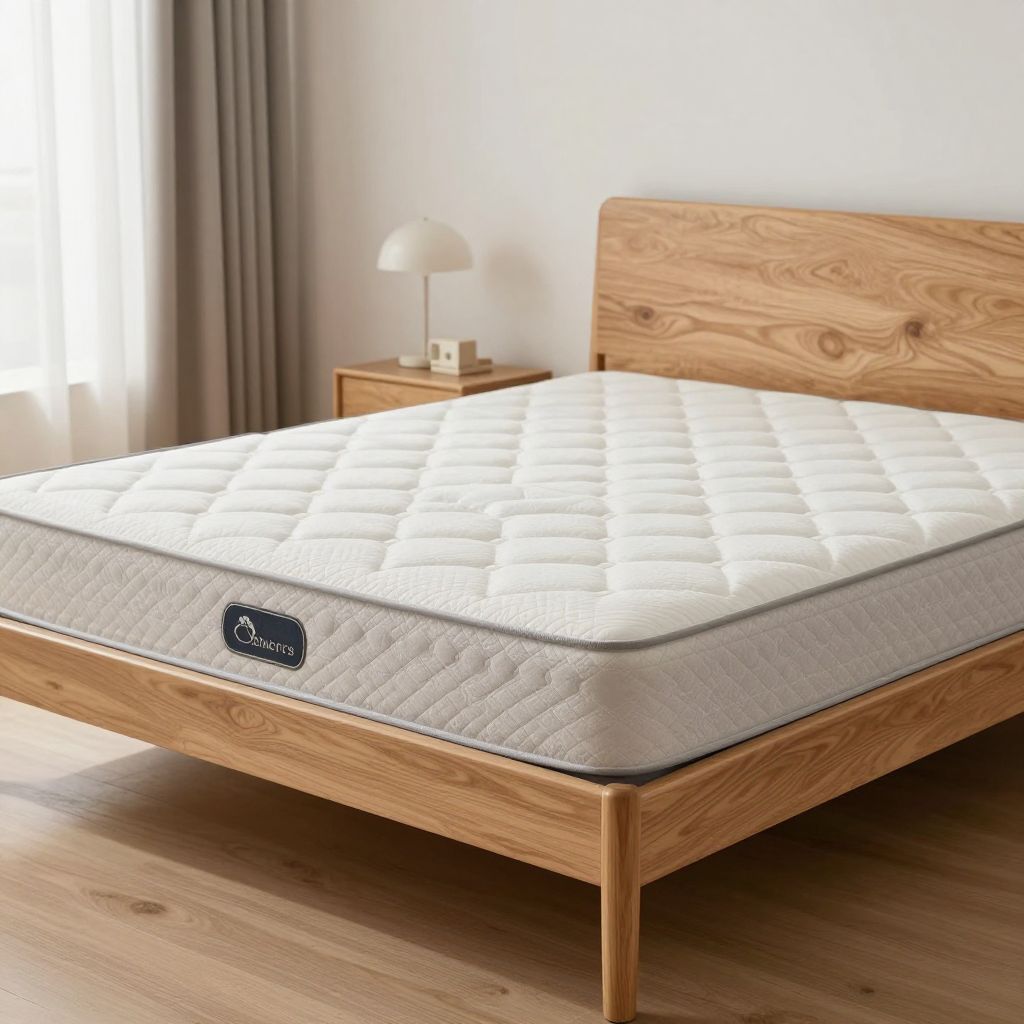
Your mattress matters too. Pressure points from a mattress that doesn't suit your sleep position keep you shifting, which delays sleep onset and fragments the early sleep stages. A mattress with the right firmness for how you sleep removes that friction. We tested Saatva's Classic extensively in our Sleep Lab — it comes in three firmness levels and includes a 365-night home trial. Read our full hands-on breakdown: Saatva mattress review.
What to Avoid Before Bed
- Alcohol: It may feel sedating but disrupts REM sleep in the second half of the night, leaving you lighter and more restless by 3 am.
- Heavy meals within 2 hours of bed: Digestion keeps your metabolism elevated and can cause reflux that interrupts sleep.
- Naps after 3 pm: Late naps eat into your sleep pressure, making it harder to feel tired at your target bedtime.
- Clock-watching: Repeatedly checking the time raises cortisol. Turn the clock away or move it across the room.
- Exercising within 1-2 hours of bed: Vigorous evening workouts raise core temperature and heart rate. Morning or early afternoon exercise is associated with better sleep quality.
Frequently Asked Questions
How long should it take to fall asleep?
Sleep onset of 10-20 minutes is considered normal. Under 5 minutes may signal sleep deprivation; consistently over 30 minutes may indicate sleep-onset insomnia. If it regularly takes more than 30 minutes despite good sleep habits, mention it to your doctor.
Does the 4-7-8 breathing technique actually work?
Many people report falling asleep noticeably faster with 4-7-8 breathing, and there is solid mechanistic reasoning behind it: slow, extended exhalation activates the vagus nerve and lowers heart rate. Clinical evidence is still limited, but the technique is safe, free, and worth trying for at least a week.
What temperature should my bedroom be for sleep?
Research consistently points to 65-68°F (18-20°C) as the optimal range. Your core body temperature needs to drop by about 1-2 degrees to initiate sleep, and a cool room helps that happen faster. If you share a bed with a partner who runs hotter or colder, a dual-zone mattress or separate blankets can split the difference.
Can caffeine really affect sleep if I had it at 2 pm?
Yes. Caffeine's half-life is roughly 5-6 hours, so a 200 mg cup of coffee at 2 pm still has about 100 mg circulating at 7-8 pm. Some people metabolize it faster, some slower, depending on genetics. If you have trouble falling asleep and drink coffee or tea in the afternoon, cutting your last cup to noon is one of the highest-leverage adjustments you can make.
Why does alcohol make me wake up in the middle of the night?
Alcohol suppresses REM sleep in the first half of the night. As it metabolizes, there is a rebound effect: your brain cycles more aggressively into REM, which is lighter sleep. That is why you often wake at 2-4 am after drinking. One drink occasionally is unlikely to cause problems; regular evening drinking significantly degrades sleep architecture.
When should I see a doctor about trouble falling asleep?
If sleep-onset problems last more than three weeks, happen three or more nights per week, and affect your daytime functioning, that meets the clinical threshold for chronic insomnia. A doctor can rule out underlying causes (anxiety, sleep apnea, restless legs) and discuss options, including cognitive behavioral therapy for insomnia (CBT-I), which has stronger long-term evidence than medication for most adults.
Bottom line: A consistent schedule, a cool dark room, and a few minutes of intentional wind-down are the most reliable ways to fall asleep faster. Techniques like 4-7-8 breathing and the military method give you something active to do when your mind won't quiet. If problems persist beyond a few weeks, see a doctor.