
 by
by Editor's pick — melatonin-free
NooCube Sleep Upgrade
Melatonin-free formula · 60-night guarantee · Lemon balm 600 mg + magnesium + lavender
Fix the root cause: your mattress
TL;DR
Mattress selection for specific conditions (back pain, side sleeping, couples, hot sleepers, seniors) depends on support zones, firmness, and pressure relief. Saatva Rx ($2,095) is designed specifically for chronic pain sleepers with lumbar zone support.
Jump to section
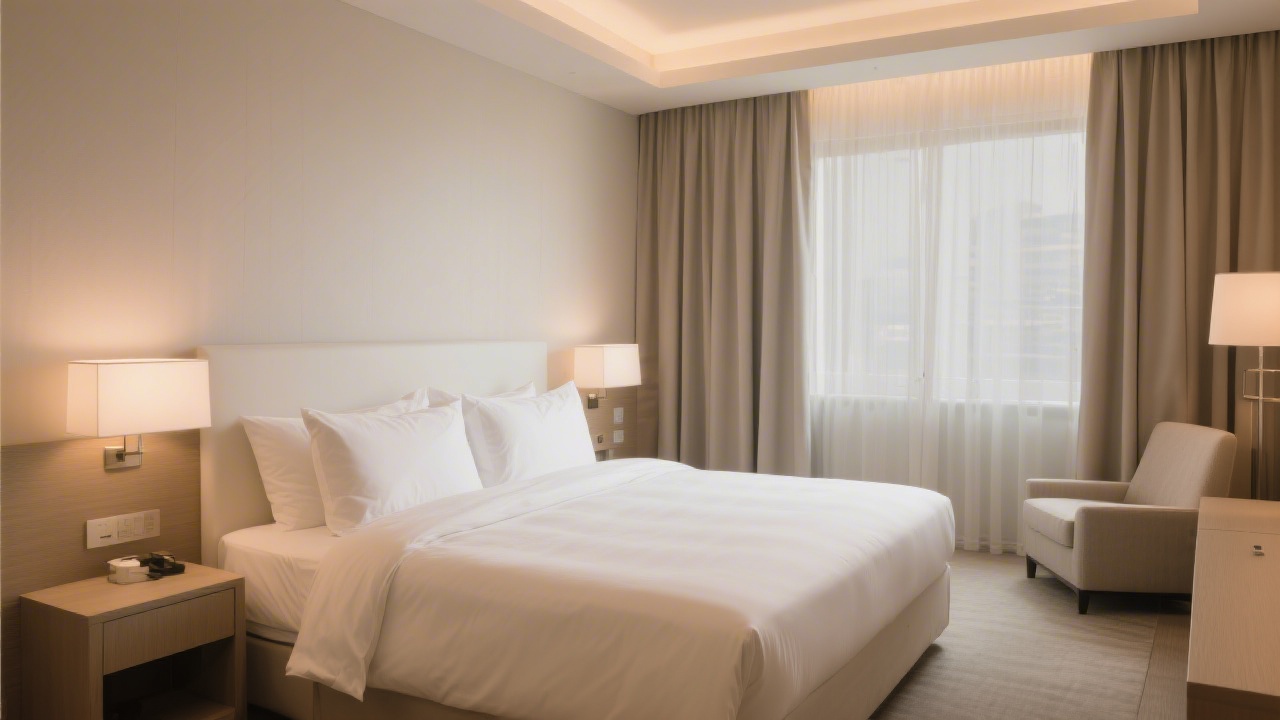
Poor sleep quality often starts with the wrong sleep surface. The Saatva Classic - our top-rated innerspring hybrid - is built to support proper sleep architecture with zoned lumbar support and pressure-relieving Euro pillow top.
Quality vs. Quantity: The Core Distinction
Sleep architecture - the structure and depth of sleep stages - determines how restorative your sleep is, not just how many hours you log. Eight hours of fragmented, shallow sleep is neurologically inferior to seven hours of consolidated deep sleep. Most sleep improvement advice focuses on duration (get more hours) when the real use is in quality (get better hours).
The 15 changes below are ranked by effect size on sleep architecture. We've separated them into tiers based on how consistently the research shows benefit. Start at the top - the highest-impact interventions are also typically the simplest.
Tier 1: Highest Impact (Structural Changes)
Grounding — an underrated sleep lever
Try a grounding sheet free for 90 nights
Clinical studies (Journal of Inflammation Research, 2015; Journal of Alternative & Complementary Medicine, 2011) link earthing with reduced inflammation markers, lower cortisol, and better subjective sleep quality. Not a cure, but a low-cost, zero-side-effect lever most sleepers never try.
The Premium Grounding Sheet uses 316L medical-grade stainless steel fiber (30% steel + 70% organic cotton) — 5x longer lifespan than silver-fiber competitors that oxidize. 4.8/5 stars, 686+ reviews, 28K+ customers. 90-day risk-free trial, 3-year warranty.
Use code MATTRESSNUT for 10% off — brings queen to roughly $170 after discount, which is the cheapest fully-certified grounding sheet on the US market.
1. Replace your mattress if it's wrong for your body
This is the highest-impact single change most people can make. Mattress-related microarousals - caused by pressure points, inadequate spinal support, or motion transfer - can disrupt sleep architecture 20–50 times per night without the sleeper's awareness. The correct mattress for your body weight, sleeping position, and partner's sleep behavior eliminates this noise entirely. For back sleepers over 130 lbs, a medium-firm innerspring hybrid with zoned support consistently outperforms foam-only options in independent sleep quality studies.
2. Set bedroom temperature to 65–68°F (18–20°C)
Core body temperature must drop 1–2°F to initiate and maintain deep sleep. Bedrooms above 70°F prevent this cooling, reducing N3 time by up to 30%. This intervention is free - just adjust your thermostat. If you can't control temperature, a cooling mattress pad or breathable bedding achieves partial effect.
3. Block all light from your bedroom
Even small amounts of light (a phone LED, streetlights through curtains) are detected through closed eyelids and suppress melatonin production. Blackout curtains that seal at the edges, plus masking all device indicator lights, have measurable effects on sleep architecture - particularly on melatonin timing and deep sleep duration.
4. Maintain consistent wake time (including weekends)
The single behavioral change with the highest research backing. Consistent wake time anchors your circadian rhythm and creates predictable sleep pressure cycles. Varying your wake time by more than 45 minutes disrupts circadian timing, reduces next-night sleep efficiency, and compounds to chronic sleep debt. This is free, requires no equipment, and has effect sizes comparable to prescription sleep aids in some studies.
Tier 2: High Impact (Environmental + Behavioral)
5. Stop alcohol at least 3 hours before sleep
Alcohol is the most effective REM suppressant available without a prescription. Even 2–3 drinks suppress REM sleep in the first half of the night and cause a disruptive REM rebound in the second half. If you drink, cutoff at 3 hours before sleep significantly reduces the impact on sleep architecture.
Saatva Rx
Designed for chronic pain · Doctor-approved · Lumbar zone · 365-night trial · Lifetime warranty. Saatva is one of the few mattress brands to pair a multi-hundred-night home trial with a lifetime-scale warranty.
- Price: From $2,095 (Twin)
- Free white-glove delivery & old-mattress removal (US)
- 365-night home trial on mattresses
- Lemon balm 600mg + lavender extract for calm
- Magnesium citrate + calcium + vitamin D3 for sleep architecture
- No habit-forming ingredients, no morning grogginess
- 60-day money-back guarantee, GMP-certified USA manufacturing
- ID.me discount for military, veterans, first responders, teachers, seniors
- GREENGUARD Gold certified construction
NooCube Sleep Upgrade
A melatonin-free sleep supplement that works with your body instead of replacing hormones. Clinical testing (DBEM) showed 35% faster sleep onset and 28% higher sleep score on Oura/Whoop over 30 nights.
Affiliate disclosure: we may earn a commission from this link at no extra cost to you.
Affiliate disclosure: we may earn a commission from this link at no extra cost to you.
6. Stop caffeine by 2 PM (for normal metabolizers)
Caffeine's half-life is 5–7 hours; its quarter-life is 10–14 hours. A 3 PM coffee still has 25% of its stimulant effect at midnight. Slow metabolizers (CYP1A2 gene variants) need even earlier cutoffs. This single change improves sleep onset time and deep sleep percentage in most people within 2–3 days.
7. Get bright light exposure within 30 minutes of waking
Morning light suppresses residual melatonin, triggers the cortisol awakening response, and - critically - sets the timer for that night's melatonin release. Ten minutes of outdoor light in the morning advances your circadian phase and improves sleep quality that night. Combine with the 7-day schedule shift plan for phase advancement.
8. Eliminate blue light 2 hours before bed
Short-wavelength (blue) light is the most potent melatonin suppressor. Evening light exposure from phones, tablets, and LED screens delays melatonin onset by 1–3 hours. Blue-light blocking glasses (amber-tinted, 99%+ blue light blocking) restore melatonin timing when used from 2 hours before target bedtime. Screen brightness reduction and night mode are partially effective but inferior to blocking glasses.
9. Time exercise correctly
Exercise improves sleep quality significantly - but timing matters. Vigorous exercise within 2–3 hours of bedtime raises core temperature and cortisol, delaying sleep onset. Morning or early afternoon exercise provides the benefits (increased slow-wave sleep, better temperature cycling) without the bedtime disruption. Light exercise (walking) can be done at any hour.
10. Reduce bedroom noise below 30 dB
Even sounds that don't fully wake you cause microarousals that fragment sleep architecture. Partner snoring, traffic, HVAC noise - all measurably degrade sleep quality. White noise machines work by masking variable sounds with consistent background sound, not by adding noise. A fan achieves similar effect at lower cost. Earplugs reduce noise floor more effectively but are less comfortable for extended use.
Tier 3: Moderate Impact (Supplemental)
11. Magnesium glycinate (200–400mg before bed)
Magnesium is involved in GABA receptor activation (the brain's primary inhibitory system). Glycinate form has the best bioavailability and least GI side effects. Meta-analyses show modest but consistent improvements in sleep onset and sleep efficiency, particularly in people with low dietary magnesium (common in Western diets). Not a substitute for structural changes but a useful addition.
12. Implement a consistent wind-down routine (45–60 minutes)
The brain's transition from active wakefulness to sleep-readiness requires a downshift period. A consistent pre-sleep sequence - same activities, same order, same timing - becomes a conditioned stimulus for sleep onset over time. Effective elements: dim light, warm shower or bath (core temperature drop post-bath accelerates sleep onset), no work or screens, reading or calm activity.
13. Avoid eating within 2–3 hours of bedtime
Post-meal digestion raises core temperature and requires active metabolic processing that interferes with the body temperature drop needed for deep sleep. High-protein or high-fat late meals are particularly disruptive. A small carbohydrate snack (not a full meal) 1–2 hours before bed is neutral to mildly beneficial for some people.
14. Use a weighted blanket if you have anxiety-related sleep disruption
Deep pressure stimulation from weighted blankets (8–12% of body weight) activates parasympathetic nervous system responses. Three randomized controlled trials show reduced sleep onset time and anxiety for people with anxiety-related sleep disruption. Effect is smaller for people without an anxiety component.
15. Address sleep disorders proactively
Sleep apnea, restless leg syndrome, periodic limb movement disorder - all prevent quality sleep regardless of how well you optimize the environment. If behavioral changes don't resolve poor sleep quality within 3–4 weeks, a sleep study is more valuable than any supplemental intervention. These conditions are underdiagnosed and highly treatable.
Implementation Order
Week 1: Temperature, consistent wake time, morning light, evening light cutoff.
Week 2: Alcohol timing, caffeine timing, noise reduction.
Week 3: Mattress assessment; add magnesium if still struggling.
Week 4+: Wind-down routine, meal timing, supplemental additions.
Understanding why these interventions work requires knowing what you're trying to optimize. See our guide to deep sleep vs REM sleep and the complete overview of sleep stages to understand what each intervention targets.
Fix the root cause: your mattress
Poor sleep quality often starts with the wrong sleep surface. The Saatva Classic - our top-rated innerspring hybrid - is built to support proper sleep architecture with zoned lumbar support and pressure-relieving Euro pillow top.
Related Premium Grounding guides
Frequently Asked Questions
What's the single highest-impact thing I can do to improve sleep quality tonight?
Lower your bedroom temperature to 65–68°F and stop all screens 2 hours before bed. These two changes are free, take effect immediately, and address two of the three largest structural barriers to sleep quality in most adults.
How long before I notice improvement from sleep quality changes?
Temperature and light changes typically show subjective improvement within 3–5 nights. Mattress effects become fully apparent within 30 days. Caffeine and alcohol timing changes show measurable effects within 3–7 days for most people.
Is sleep quality or sleep duration more important?
The research consistently shows quality (architecture, particularly N3 and REM proportions) has stronger effects on cognitive function, immune response, and metabolic health than duration within normal ranges (6.5–9 hours). A 7-hour high-quality night typically outperforms an 8.5-hour fragmented night.
Does napping improve or harm nighttime sleep quality?
Strategic 10–20 minute naps before 3 PM have neutral to slightly positive effects on nighttime sleep quality. Longer or later naps reduce sleep pressure and degrade nighttime sleep architecture. See our detailed breakdown in the afternoon slump guide.
Can diet significantly affect sleep quality?
Diet has moderate effects relative to environmental and behavioral factors. High-sugar diets correlate with reduced slow-wave sleep. Mediterranean diet patterns correlate with better sleep quality in epidemiological studies. Fix temperature, mattress, and light first - diet is a second-order intervention.
★ #1 RATED MATTRESS 2026
Your Mattress Might Be the Problem. Try a Saatva for 365 Nights
✓ 365-Night Trial · ✓ Free White Glove Delivery · ✓ Lifetime Warranty