
 by
by Our Top Pick
Saatva Classic — Editor's Choice for Sleep Quality
Individually wrapped coils, lumbar zone support, and a plush Euro pillow top. Independently tested for pressure relief and spinal alignment.
See Current Price & Trial Offer
Affiliate disclosure: We earn a commission at no extra cost to you.
Why Wind-Down Routines Work
Sleep does not have an on/off switch. It is the end point of a 45-60 minute physiological wind-down process. Your core body temperature needs to drop. Cortisol levels need to fall. Heart rate variability needs to shift toward parasympathetic dominance. A wind-down routine creates the conditions for this transition to happen on cue.
Without a routine, many people move directly from a cortisol-spiking activity — late-night email, social media, TV drama — into bed and wonder why they cannot sleep. The brain is still in a state of high arousal. No mattress or supplement overcomes that without addressing the transition.
The Physiology of Wind-Down
Three things need to happen before sleep onset: core body temperature drops 1-3°F, adenosine (sleep pressure hormone) levels are high, and cortisol (alerting hormone) levels are low. Your wind-down routine should support all three. That means no activities that raise cortisol (conflict, stimulating content, high-stakes decision-making) and active support for temperature drop (warm bath, cool room).
10 Wind-Down Routines That Work
1. The Temperature Drop Protocol
Take a warm shower or bath 60-90 minutes before bed. Water temperature of 104-109°F (40-43°C). The vasodilation response pulls heat to the skin surface and drops core temperature — the physical signal your brain uses to initiate sleep. This is one of the most consistently supported interventions in sleep research.
2. Progressive Muscle Relaxation (PMR)
20-minute protocol: starting with your feet, tense each muscle group for 5 seconds, then release for 30 seconds. Move upward through calves, thighs, abdomen, chest, hands, arms, shoulders, neck, and face. By the time you finish, physiological arousal is measurably lower and sleep onset is typically faster.
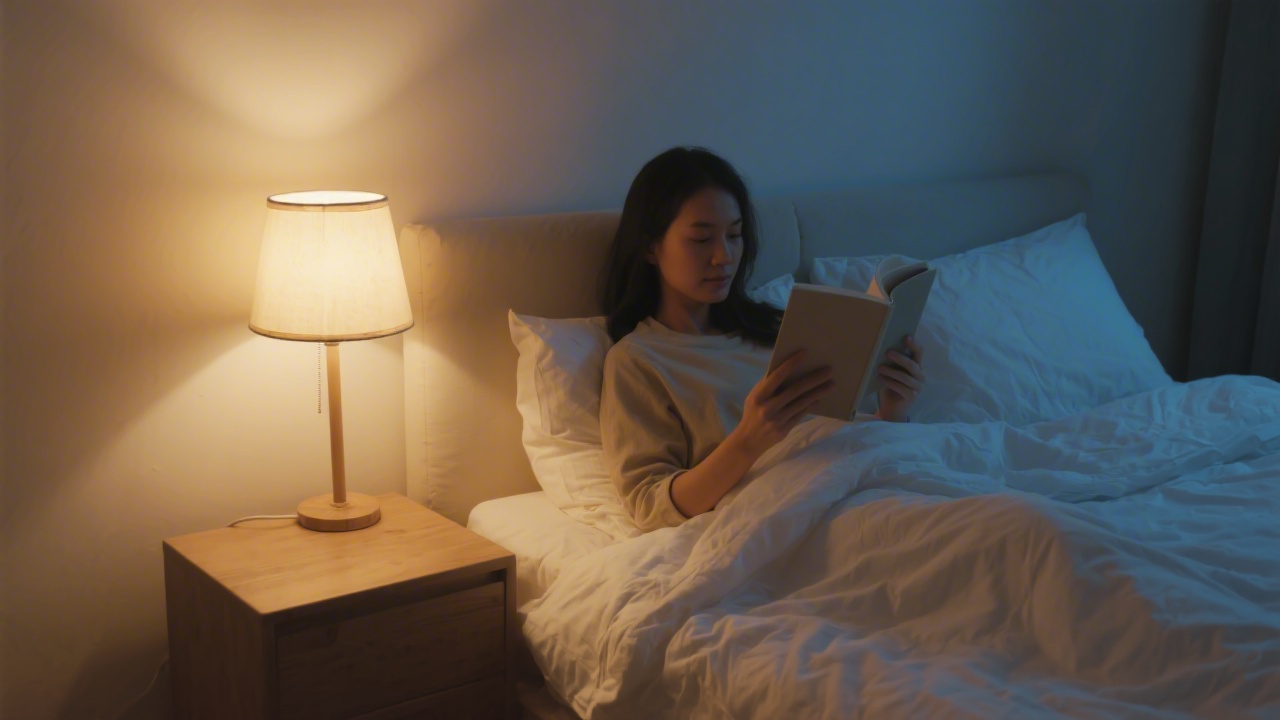
3. Reading Physical Books
A physical book — not an e-reader — is one of the most effective wind-down activities available. It is absorbing enough to move your mind away from rumination while being passive enough not to spike cortisol. University of Sussex research found 6 minutes of reading reduced stress by 68%. Avoid thrillers and compelling page-turners late at night.
4. The 4-7-8 Breathing Method
Inhale through the nose for 4 counts, hold for 7 counts, exhale through the mouth for 8 counts. The extended exhale activates the vagus nerve, which is the primary pathway for parasympathetic activation. Two to four cycles before bed measurably reduce heart rate and cortisol. Do this sitting up, not lying down — lying down tends to trigger thinking.
5. Journaling and Brain Dump
Write down everything on your mind — tasks, worries, tomorrow's agenda — in a notebook. This externalizes the cognitive load your working memory is holding. Harvard research found that 5 minutes of "tomorrow's to-do list" journaling before bed reduced sleep onset by 9 minutes more than journaling about completed tasks.
6. Gentle Yoga or Stretching
20 minutes of yin yoga or gentle stretching reduces physiological tension while keeping physical arousal low. Focus on hip openers, forward folds, and supine poses. Avoid anything that elevates heart rate above a comfortable conversation pace. The combination of physical release and breath focus creates strong parasympathetic activation.
Our Top Pick
Saatva Classic — Editor's Choice for Sleep Quality
Individually wrapped coils, lumbar zone support, and a plush Euro pillow top. Independently tested for pressure relief and spinal alignment.
See Current Price & Trial Offer
Affiliate disclosure: We earn a commission at no extra cost to you.
7. Consistent Bedroom Temperature
Set your room to 65-68°F (18-20°C) one hour before bed. Use breathable bedding and a mattress that does not trap heat. Foam mattresses with poor airflow can raise skin temperature by 2-3°F across the night, preventing the deep sleep stages that require low core temperature.
8. Dim Lighting Transition
Begin dimming lights in your home 90 minutes before bed. Use warm, low-color-temperature bulbs (2700K or below) in the evening. Bright overhead lighting suppresses melatonin production — a physiological signal that it is still daytime. Candles or dim floor lamps create a natural light environment analogous to dusk.
9. The Worry Window
15 minutes earlier in the evening — well before bed — designate a formal worry period. Write concerns down, identify one action per concern, then close the notebook with intention. When worries arise at bedtime, remind your brain they are already addressed and scheduled. This is a structured version of the cognitive closure that prevents rumination.
10. Consistent Sleep and Wake Times
A consistent wake time (even weekends) is the most powerful circadian anchor available. Your body anticipates sleep onset based on how long it has been awake and what time you typically fall asleep. Irregular schedules — sleeping in on weekends, napping — disrupt this timing and make every night's wind-down harder.
Internal Resources
- Can't Sleep Due to Anxiety? 10 Techniques
- How to Stop Overthinking at Night
- Sleep Anxiety Tips: 9 Strategies
- Best Mattress for Insomnia 2026
Frequently Asked Questions
How long should a wind-down routine be?
Research supports 45-60 minutes as optimal. This allows enough time for physiological markers of stress (cortisol, heart rate) to decrease to sleep-compatible levels. A 2022 study in Sleep Health found that structured 45-minute wind-down routines reduced sleep onset latency by an average of 12 minutes compared to no routine.
Does reading before bed help sleep?
Physical reading (paper book) before bed is consistently associated with faster sleep onset and better sleep quality. E-readers with backlight are less effective due to blue light exposure. A 2009 University of Sussex study found 6 minutes of reading reduced stress levels by 68%, more than listening to music or taking a walk.
Why does a warm bath help with sleep?
A warm bath or shower 60-90 minutes before bed triggers vasodilation — blood moves to the skin surface to release heat, causing a drop in core body temperature. This temperature drop mimics the natural decline that signals sleep onset. A 2019 meta-analysis in Sleep Medicine Reviews found timed bathing shortened sleep onset by an average of 10 minutes.
What is progressive muscle relaxation and how do I do it?
PMR involves systematically tensing and releasing muscle groups from feet to face. Start with your feet: tense all muscles for 5 seconds, then release completely for 30 seconds. Move to calves, thighs, abdomen, hands, arms, shoulders, neck, and face. One full cycle takes 15-20 minutes and significantly reduces physiological arousal.
Should I avoid screens before bed?
Yes, for two reasons. First, blue light from screens suppresses melatonin production by up to 85%, delaying sleep onset. Second, engaging content (social media, news, email) activates the brain's threat-detection and reward systems, which conflict with sleep onset. Even non-screen activities that activate these systems — competitive games, tense conversations — have similar effects.