
 by
by Upgrade your sleep when you get home
After nights on planes, couches, or hotel mattresses, your body deserves proper support. Saatva's mattresses are handcrafted with luxury coils and organic materials — starting at $1,395.
Most hotel guests accept the room they're assigned without question. The guests who sleep best don't. Requesting a better room for sleep is a skill — and it's easier than you think once you know what to ask for and how to ask for it.
The Anatomy of a Bad Hotel Room for Sleep
Noise is the primary enemy. The worst locations in a hotel building: adjacent to the elevator bank (mechanical hum plus door noise every few minutes), next to the ice machine or vending room (compressor cycles every 15–20 minutes at 60–70 dB), facing a parking lot or street with delivery access, near a stairwell, or on the lowest floors (louder pool noise, foot traffic). Rooms near a hotel bar or restaurant have late-night ventilation and HVAC noise that can penetrate to 2am.
The Best Room Features for Sleep
- Higher floor: Less street noise, less foot-traffic above you, fewer guest comings-and-goings at night
- West-facing room (in the US/Europe): Gets afternoon sun, but the window faces west — so morning sun doesn't hit until late. If you need to sleep past 7am, east-facing rooms are problematic even with blackout curtains
- End of corridor: Only one neighboring room instead of two; the corner position also means more insulation from sound
- Away from elevator: Request "not adjacent to elevator bank" explicitly — front desk staff understand this request
- Not near ice/vending: Ask for a room away from "mechanical rooms or vending areas on the floor"
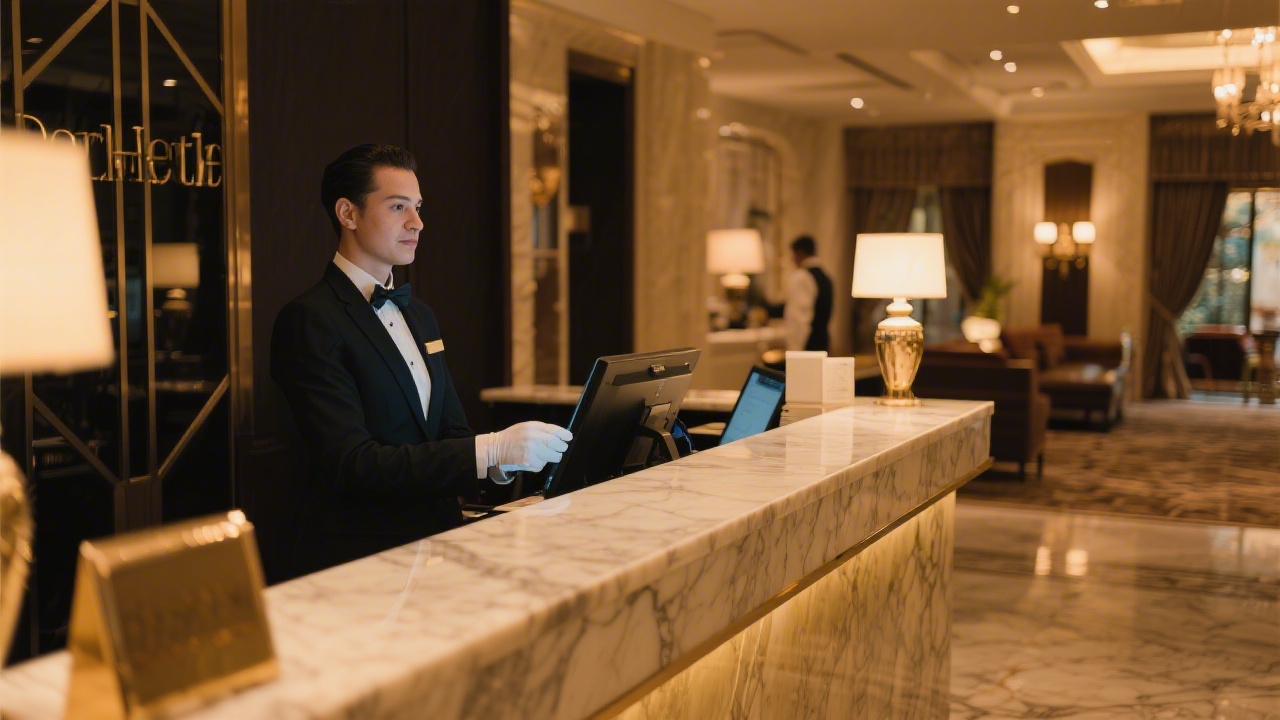
How to Ask at Check-In (Exact Phrasing)
The key is to be specific, brief, and appreciative. Hotel staff field vague upgrade requests constantly; a specific sleep-related request is unusual and gets more attention.
"I'm a light sleeper and I'd really appreciate a room that's not near the elevator or ice machine, ideally on a higher floor away from the street. Is there anything available like that?"
If the hotel uses an app check-in (Hilton, Marriott), you can often request room preferences in advance — do this the day before arrival. App-based requests are logged and actioned more consistently than verbal requests at a busy front desk.
Loyalty Status Matters More Than You Think
Loyalty program members — even at the lowest Silver tier — are typically assigned rooms before non-members in the same booking category. If you travel to a hotel brand more than twice a year, join the program. It's free and has a material impact on room selection, especially for quiet room requests.
What to Do If the First Room Is Bad
If you check in and hear the elevator, ice machine, or street noise immediately, call the front desk within 30 minutes of arrival. Lead with: "I'm having some trouble with noise in my current room — I have an early morning and really need quiet. Is there any possibility of moving me to a quieter room?" Most hotels will accommodate this, especially if they're not at full occupancy.
Pro Tip: Inspect Before Unpacking
Don't unpack before you assess the room. Walk the hallway, listen at the elevator, check if the room has a connecting door (more noise transmission), assess the blackout curtains. If anything is problematic, it's easy to request a change before you've settled in. Once you've unpacked, hotel staff are less motivated to move you.
Internal Links
Frequently Asked Questions
What floor is best for sleep in a hotel?
Higher floors are generally better for sleep — less street noise, less foot traffic above you, fewer nearby rooms occupied by late-arriving guests. Aim for floor 5 or higher if possible. Avoid the top floor directly under the roof (HVAC equipment noise) and floors immediately above the lobby, bar, or restaurant.
How do I ask for a quiet hotel room?
At check-in, say: 'I'm a light sleeper — could I have a room away from the elevator and ice machine, ideally higher up and away from the street?' Staff understand this request. If booking digitally, use the special request field or hotel app to specify the same preferences the day before arrival.
Which direction should a hotel room face for better sleep?
West-facing rooms in the Northern Hemisphere get afternoon sun but stay darker in the morning. East-facing rooms get direct morning sun, which can penetrate blackout curtains and cause early waking. If you need to sleep past 7am, explicitly request a west-facing or north-facing room.
Does hotel loyalty status help you get a better room?
Yes. Even entry-level loyalty status (Silver or equivalent) typically places you earlier in the room assignment queue, giving you access to better room selections before they're allocated to non-members. If you stay with a brand more than twice a year, the free enrollment is worth it purely for room selection benefits.
What should I do if my hotel room is too noisy to sleep?
Call the front desk within 30 minutes of arrival — before you unpack. Ask politely but specifically: 'I'm having trouble with noise and have an early morning — is there a quieter room available?' Inspect before unpacking so the request feels immediate. Most hotels will accommodate this, especially at under-full occupancy.
Voted best luxury innerspring mattress with exceptional lumbar support and white-glove delivery.
Check Price & Availability FAQPage", "mainEntity": [{"@type": "Question", "name": "What floor is best for sleep in a hotel?", "acceptedAnswer": {"@type": "Answer", "text": "Higher floors are generally better for sleep \u2014 less street noise, less foot traffic above you, fewer nearby rooms occupied by late-arriving guests. Aim for floor 5 or higher if possible. Avoid the top floor directly under the roof (HVAC equipment noise) and floors immediately above the lobby, bar, or restaurant."}}, {"@type": "Question", "name": "How do I ask for a quiet hotel room?", "acceptedAnswer": {"@type": "Answer", "text": "At check-in, say: 'I'm a light sleeper \u2014 could I have a room away from the elevator and ice machine, ideally higher up and away from the street?' Staff understand this request. If booking digitally, use the special request field or hotel app to specify the same preferences the day before arrival."}}, {"@type": "Question", "name": "Which direction should a hotel room face for better sleep?", "acceptedAnswer": {"@type": "Answer", "text": "West-facing rooms in the Northern Hemisphere get afternoon sun but stay darker in the morning. East-facing rooms get direct morning sun, which can penetrate blackout curtains and cause early waking. If you need to sleep past 7am, explicitly request a west-facing or north-facing room."}}, {"@type": "Question", "name": "Does hotel loyalty status help you get a better room?", "acceptedAnswer": {"@type": "Answer", "text": "Yes. Even entry-level loyalty status (Silver or equivalent) typically places you earlier in the room assignment queue, giving you access to better room selections before they're allocated to non-members. If you stay with a brand more than twice a year, the free enrollment is worth it purely for room selection benefits."}}, {"@type": "Question", "name": "What should I do if my hotel room is too noisy to sleep?", "acceptedAnswer": {"@type": "Answer", "text": "Call the front desk within 30 minutes of arrival \u2014 before you unpack. Ask politely but specifically: 'I'm having trouble with noise and have an early morning \u2014 is there a quieter room available?' Inspect before unpacking so the request feels immediate. Most hotels will accommodate this, especially at under-full occupancy."}}]}Upgrade your sleep when you get home
After nights on planes, couches, or hotel mattresses, your body deserves proper support. Saatva's mattresses are handcrafted with luxury coils and organic materials — starting at $1,395.