
 by
by Environment shapes sleep quality in every species. The Saatva Classic mattress addresses the most controllable sleep environment variable: your sleep surface. See current pricing →
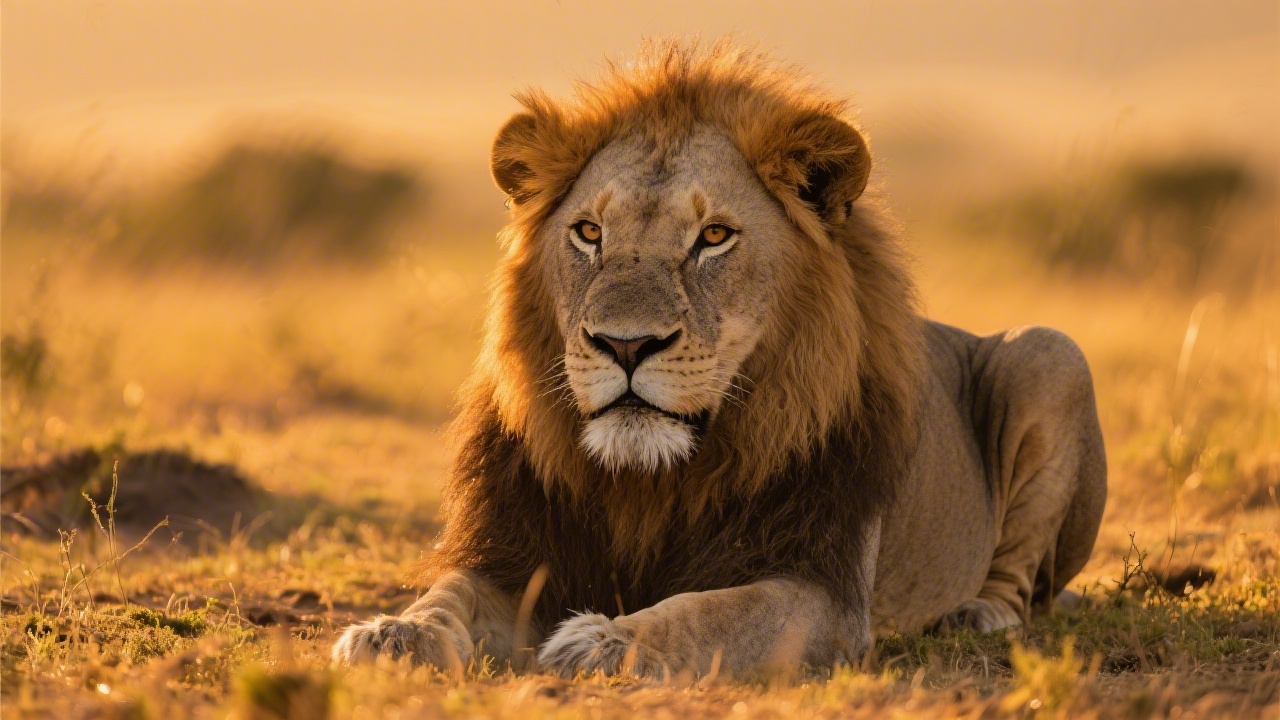
A lion in the Serengeti sleeps 16-20 hours per day, apparently without difficulty. The same lion in a poorly designed zoo enclosure may show fragmented sleep, pacing, and stress behaviors - a syndrome that closely resembles human insomnia. The difference is not the animal. It is the environment.
Wild animals rarely develop the chronic sleep disorders that plague modern humans - but they are not immune. Understanding when and why animals lose sleep quality illuminates the root causes of human insomnia with unusual clarity.
Why Wild Animals Rarely Get Chronic Insomnia
In the wild, most animals either sleep when conditions allow or die. There is no evolutionary pressure to maintain wakefulness beyond survival necessity. Wild animals do not ruminate about yesterday's failed hunt or tomorrow's territorial challenge during their sleep hours - the cognitive architecture for that kind of sustained abstract worry is largely a human trait.
Additionally, wild animals live in sensory environments that are consistent with their evolutionary sleep requirements: darkness calibrated to their natural photoperiod, temperatures within their thermoneutral zone, sleep locations they have selected for safety and comfort. These conditions are increasingly absent in human sleep environments. See: how animals sleep across the animal kingdom.
NooCube Sleep Upgrade
A melatonin-free sleep supplement that works with your body instead of replacing hormones. Clinical testing (DBEM) showed 35% faster sleep onset and 28% higher sleep score on Oura/Whoop over 30 nights.
- Lemon balm 600mg + lavender extract for calm
- Magnesium citrate + calcium + vitamin D3 for sleep architecture
- No habit-forming ingredients, no morning grogginess
- 60-day money-back guarantee, GMP-certified USA manufacturing
Affiliate disclosure: we may earn a commission from this link at no extra cost to you.
Captivity and the Insomnia Analog
Grounding — an underrated sleep lever
Try a grounding sheet free for 90 nights
Clinical studies (Journal of Inflammation Research, 2015; Journal of Alternative & Complementary Medicine, 2011) link earthing with reduced inflammation markers, lower cortisol, and better subjective sleep quality. Not a cure — but a low-cost, zero-side-effect lever most sleepers never try.
The Premium Grounding Sheet uses 316L medical-grade stainless steel fiber (30% steel + 70% organic cotton) — 5x longer lifespan than silver-fiber competitors that oxidize. 4.8/5 stars, 686+ reviews, 28K+ customers. 90-day risk-free trial, 3-year warranty.
Use code MATTRESSNUT for 10% off — brings queen to roughly $170 after discount, which is the cheapest fully-certified grounding sheet on the US market.
The strongest evidence that animals can develop insomnia-like conditions comes from captivity research. Studies of captive animals - particularly elephants, great apes, and big cats - consistently show:
- Increased sleep fragmentation: More brief awakenings per night, shorter continuous sleep episodes
- Altered sleep timing: Shifting from species-typical circadian patterns toward irregular sleep-wake cycles
- Reduced total sleep time: Despite having no predator threat and guaranteed food, captive animals often sleep less than wild counterparts
- Stereotypy: Repetitive behaviors (pacing, head-bobbing) that appear during rest periods, suggesting chronic hyperarousal
The cause appears to be environmental mismatch: artificial lighting that disrupts melatonin production, noise profiles inconsistent with evolutionary norms, inability to establish normal territory, and reduction in physical activity that normally creates sleep pressure.
Documented Sleep Disorders in Non-Human Animals
Narcolepsy
Perhaps the most dramatic animal sleep disorder, narcolepsy (sudden attacks of muscle paralysis triggered by strong emotions) occurs naturally in Doberman Pinschers, Labrador Retrievers, horses, and mice. The canine version, caused by mutations in the hypocretin receptor gene, provided the key breakthrough in understanding human narcolepsy - the same neurotransmitter system is disrupted in both species.
REM Sleep Behavior Disorder
Dogs and cats occasionally "act out" dreams during sleep - running, barking, and vocalizing with eyes closed and muscles engaged. This is clinically identical to REM sleep behavior disorder in humans, where normal muscle atonia during REM fails. In humans, this condition is associated with early Parkinson's disease, suggesting the animal model may have diagnostic relevance.
Sleep Apnea
English bulldogs and other brachycephalic (flat-faced) dog breeds show high rates of obstructive sleep apnea driven by anatomical airway narrowing - the same mechanism as human OSA. Obese animals also show sleep apnea at elevated rates, precisely paralleling human obesity-OSA associations.
Territorial Stress and Fragmented Sleep
Field research on animals with disrupted or contested territories shows measurable sleep fragmentation. A study of chimpanzees during periods of inter-group conflict recorded shorter sleep bouts, more nighttime movement, and reduced time in deep slow-wave sleep - all signatures of what clinicians would call psychophysiological insomnia in humans.
The mechanism is identical: chronic threat activation keeps the HPA axis (stress hormone system) elevated, which suppresses deep sleep and increases nighttime arousal. The "anxious chimp" and the "anxious executive who cannot turn off" are running the same neurological program. See the 10 sleep lessons from nature →
Light Pollution and Wildlife Sleep
Urban wildlife research has documented significant circadian disruption in animals living near artificial light sources. Songbirds near streetlights begin singing 2-3 hours earlier than rural counterparts - a sign of premature morning cortisol activation. Migratory birds are disoriented by artificial light, with downstream effects on their migration-sleep cycles. Deer and elk near lit roadways show elevated nighttime activity and reduced resting behavior.
Light pollution is essentially administering a chronic jet lag to urban wildlife. The same mechanism - artificial light suppressing melatonin at night - is well-documented in human insomnia research.
The Environment Hypothesis
Across species, the consistent finding is this: animals sleep poorly not because of internal dysfunction but because their environment fails to meet their evolved sleep requirements. Captive environments strip away the sensory conditions (darkness, appropriate temperature, spatial security, physical exhaustion from foraging) that wild animals have.
This is a powerful model for human insomnia. The human brain did not evolve for bright screens at midnight, constant ambient noise, sedentary days that create insufficient sleep pressure, or mattresses that force unnatural spinal loading. See how extreme environments challenge human sleep →
Frequently Asked Questions
Related Premium Grounding guides
Frequently asked questions
Our top pick for this condition
Saatva Solaire
Adjust firmness night-to-night. Removes the "mattress feels wrong" trigger. Queen $4,074 ($525 off).
Does mattress firmness actually affect insomnia?
Yes. A mattress that causes you to wake up for pressure-point pain counts as a sleep-onset and sleep-maintenance insomnia trigger, even if you don't identify the mattress as the problem. Upgrading a too-firm or too-soft bed is one of the highest-impact non-pharmacological insomnia interventions.
What bedroom temperature helps insomnia most?
65–68°F (18–20°C) is the clinically optimal sleep-onset range. A hot mattress can push you 3–4°F above that personal sweet spot without you realizing it. Cooling tech (Saatva hybrid coils, Contour5 gel) or a cooling topper meaningfully helps.
Can a new mattress cure chronic insomnia?
Not by itself. But if the current mattress is part of the problem (pressure-point pain, hot-sleep, motion-transfer from a partner), fixing it removes one major trigger, which frees CBT-I and sleep hygiene to actually work.
Do wild animals get insomnia?
True chronic insomnia is rare in wild animals, but they show sleep disruption under threat and territorial stress. Captive animals commonly develop chronic sleep fragmentation driven by environmental mismatch.
Why do zoo animals sleep worse than wild animals?
Captive environments fail to match evolved sleep conditions: artificial lighting, ambient noise, inability to establish territory, and lack of natural foraging all fragment sleep architecture.
Can animals die from sleep deprivation?
Yes. Classic rat experiments showed total sleep deprivation caused death within 2-3 weeks from immune failure and thermoregulatory collapse. Sleep deprivation is universally fatal across studied species given sufficient duration.
What sleep disorders exist in non-human animals?
Narcolepsy (dogs, horses), REM behavior disorder (cats and dogs), and sleep apnea (brachycephalic dog breeds) all occur naturally in non-human animals.
What does animal insomnia research tell us about human sleep?
Environmental mismatch, chronic stress, and territory insecurity drive poor sleep across all species. This supports the role of environment quality, stress reduction, and appropriate sleep surfaces in treating human insomnia.
Control Your Sleep Environment
Wild animals sleep worse in captivity. Humans sleep worse on the wrong mattress. Environment matters. The Saatva Classic is engineered to provide the right support for natural sleep architecture.
Key Takeaways
Do Wild Animals Get Insomnia? Sleep Disorders in the Animal Kingdom is a topic that depends heavily on individual needs and preferences. The most important thing is to consider your specific situation - your body type, sleep position, and personal comfort preferences - before making any decisions. When in doubt, take advantage of trial periods to test before committing.