
 by
by 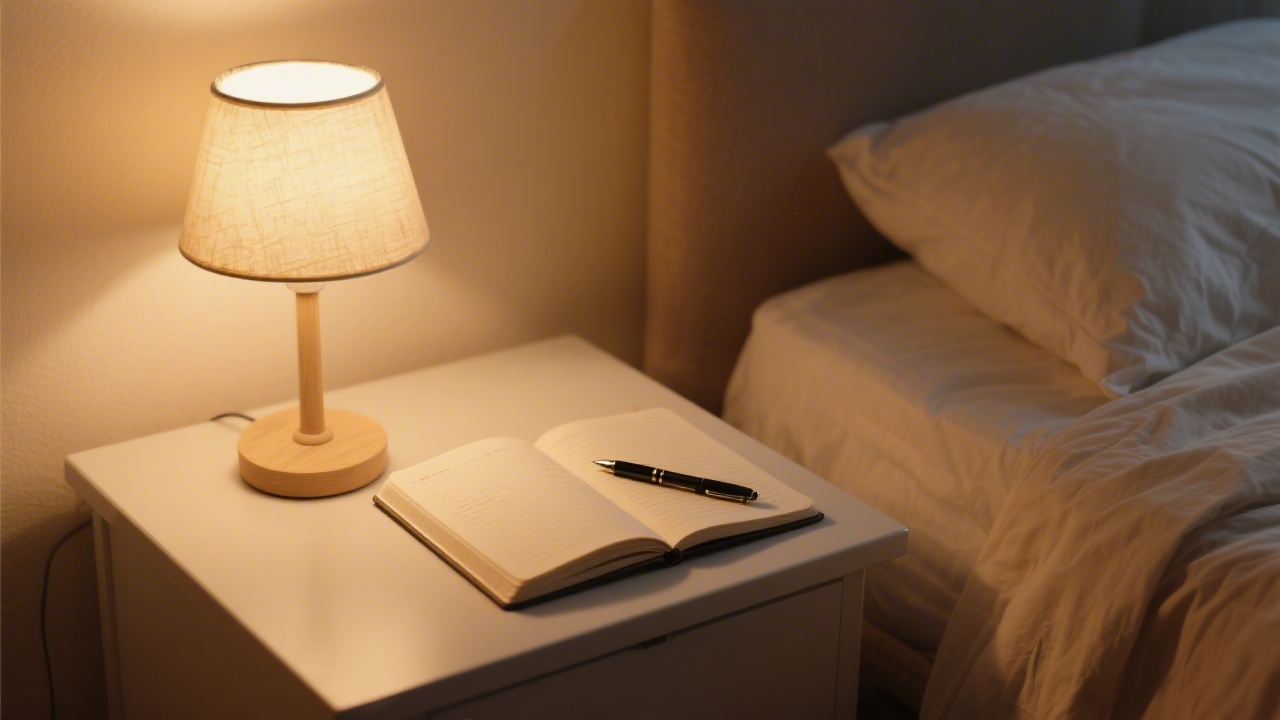
The idea of writing before bed seems counterintuitive as a sleep aid — writing is an active cognitive task. But the specific type of writing matters enormously, and the mechanism behind journaling's sleep benefits is well-defined: it offloads cognitive content from working memory, reducing the mental overhead that drives pre-sleep rumination.
Editor's Pick
Saatva Classic Mattress
Coil-on-coil support with pressure-relieving Euro pillow top. Consistent 5-star ratings for spinal alignment and comfort — relevant when your sleep quality matters most.
Affiliate link — we may earn a commission at no extra cost to you.
The Research Behind Journaling and Sleep
The most cited study on journaling and sleep comes from Baylor University (2018), where researcher Michael Scullin had 57 young adults write either a to-do list for the next day or a list of completed tasks, then measured sleep onset time using polysomnography. The to-do list group fell asleep an average of 16 minutes faster than the completed tasks group.
Scullin's interpretation: writing specific plans for tomorrow "offloads" incomplete tasks from working memory. The brain maintains rehearsal loops for unfinished business (the Zeigarnik effect — incomplete tasks remain cognitively active until they are either completed or planned). Writing a specific to-do list signals to the brain that each item has a plan — it can stop rehearsing it.
The more specific the to-do list, the greater the effect. Writing "research summer camp options, call dentist, finish Q3 report" produced faster sleep onset than writing "do summer camp stuff, health stuff, work stuff."
Types of Journaling and Their Sleep Effects
To-Do List Journaling (Recommended for Sleep Onset)
Write 5-10 specific tasks for tomorrow. Include both work and personal items. Use action verbs and specific language. Spend 5 minutes maximum. This is the best-evidenced approach for reducing sleep onset time in people whose insomnia is driven by pre-sleep planning and rumination about incomplete tasks.
Gratitude Journaling
Writing 3-5 specific things you appreciate from the day reduces pre-sleep cognitive arousal through a different mechanism — it shifts attentional focus from threat-related content to positive content. A 2009 study found gratitude predicted sleep quality, sleep duration, and sleep latency in a non-clinical sample. It is particularly useful for people whose pre-sleep rumination involves negative self-evaluation.
Expressive Writing (Not Recommended for Bedtime)
Writing freely about difficult emotions or experiences — the Pennebaker protocol — has documented benefits for emotional processing and long-term wellbeing. However, it should not be done immediately before bed. Re-engaging with emotionally difficult content increases arousal. If you want to use expressive writing, schedule it for the afternoon, at least 2 hours before your target sleep time.
Related Reading
How to Start a Pre-Sleep Journaling Practice
Keep a dedicated notebook and pen on your bedside table (not a phone or laptop). Set a 5-minute timer. Write your to-do list for tomorrow first — specific, actionable items. Then add 2-3 things you appreciated about today. Stop when the timer ends.
The time limit matters. Open-ended journaling sessions can extend into rumination loops. The constraint keeps the practice productive and prevents it from becoming another bedtime cognitive task that extends wakefulness.
Journaling and Your Sleep Environment
Pre-sleep journaling is most effective when it occurs in a consistent pre-sleep routine — after dimming lights and before lying down. It signals a transition from the day's cognitive mode to sleep mode. Pair it with other wind-down activities (reducing screen brightness, a brief relaxation practice) rather than using it as the sole intervention.
Editor's Pick
Saatva Classic Mattress
Coil-on-coil support with pressure-relieving Euro pillow top. Consistent 5-star ratings for spinal alignment and comfort — relevant when your sleep quality matters most.
Affiliate link — we may earn a commission at no extra cost to you.
Frequently Asked Questions
What kind of journaling is best for sleep?
A 2018 Baylor University study found that writing a to-do list for the next day — not recording what you did — reduced sleep onset time by 16 minutes compared to journaling completed tasks. The more specific the list, the greater the benefit, suggesting it works by 'offloading' open loops from working memory.
How long should I journal before bed?
Five minutes is sufficient for to-do journaling. Longer free-writing sessions can be counterproductive if they re-engage with difficult emotions. Set a 5-minute timer and write specifically about tomorrow's tasks and any unresolved concerns, not about the day that passed.
Can journaling make sleep worse?
Expressive writing about traumatic events or intense emotions shortly before bed can increase arousal and delay sleep onset. Research on expressive writing for emotional processing recommends doing it earlier in the day — at least 2 hours before sleep.
Does gratitude journaling help sleep?
A 2009 study found that gratitude correlated with sleep quality, duration, and reduced pre-sleep cognitive arousal. Gratitude journaling works through a different mechanism than to-do lists — it shifts cognitive focus rather than offloading tasks.
Is digital or paper journaling better for sleep?
Paper is consistently recommended for pre-sleep journaling. Screens emit blue light that suppresses melatonin, and the temptation to check notifications adds cognitive stimulation. A paper notebook with a pen takes the phone out of the equation.