
 by
by Editor's pick, melatonin-free
NooCube Sleep Upgrade
Melatonin-free formula · 60-night guarantee · Lemon balm 600 mg + magnesium + lavender
Quick take, 60-second summary
- L-theanine is an amino acid from green tea that promotes relaxation without sedation by boosting alpha brainwave activity.
- Typical sleep dose: 200 to 400 mg, 30 to 60 minutes before bed. Also used daytime for calm focus at lower doses.
- Best for users whose insomnia is driven by racing thoughts, work stress, or evening cortisol rather than physical tension.
- Stacks beautifully with magnesium glycinate and GABA precursors. Non-habit-forming.
Supplements Help. Your Mattress Is The Foundation.
Saatva Classic. From $1,174
Pair calm-inducing supplements with the right mattress, both matter.
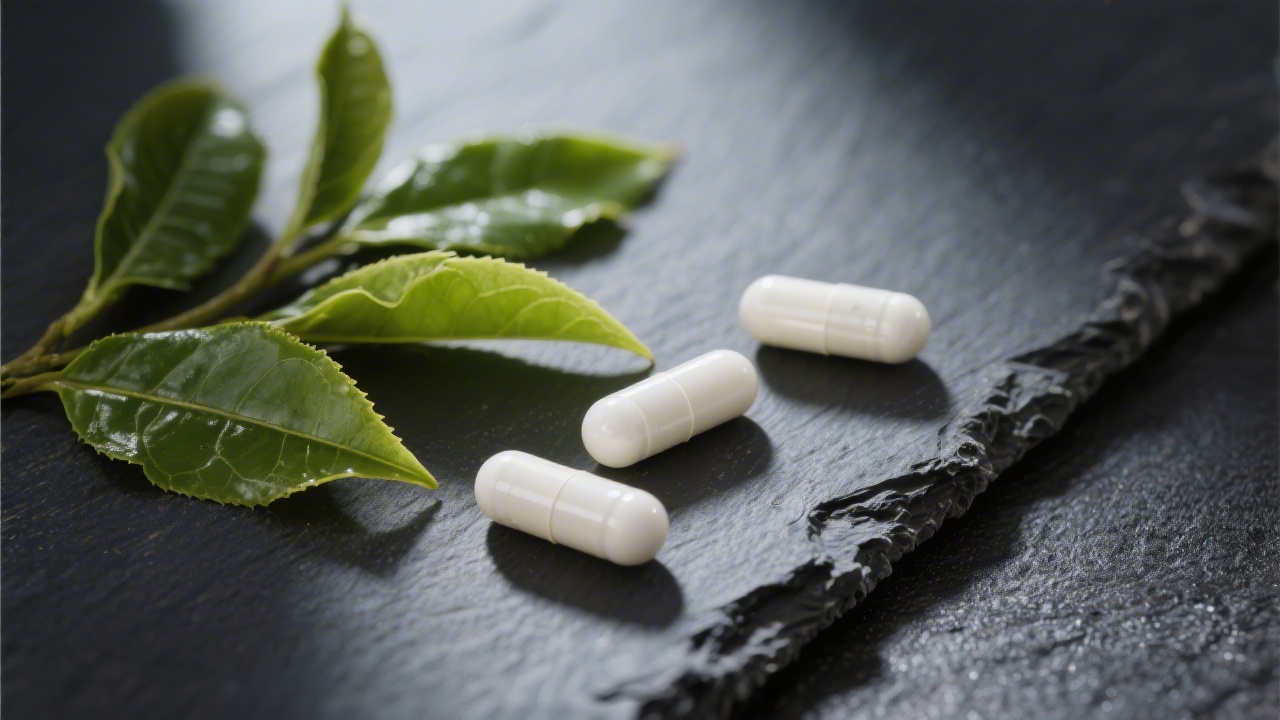
L-theanine is an amino acid found in green tea that promotes calm alertness without sedation. Research suggests it reduces stress-related insomnia, improves sleep quality metrics, and can help with anxiety-driven sleep difficulties. Unlike melatonin or sedatives, it works by modulating neurotransmitters (GABA, serotonin, dopamine) rather than forcing sleep. For people whose insomnia is anxiety-driven, L-theanine is one of the more useful non-prescription options available in 2026.
What L-Theanine Does
L-theanine crosses the blood-brain barrier and:
- Increases alpha brain waves (the relaxed-but-alert state seen in meditation).
- Raises GABA, the primary inhibitory neurotransmitter.
- Modulates dopamine and serotonin levels.
- Reduces cortisol response to acute stress.
- Does not cause drowsiness directly, instead reduces anxiety that prevents sleep.
Evidence for L-Theanine and Sleep
| Outcome | Evidence strength | Typical dose |
|---|---|---|
| Reduced anxiety | Strong (multiple RCTs) | 200-400 mg |
| Improved sleep quality | Moderate | 100-200 mg |
| Reduced stress response | Strong | 200 mg |
| Faster sleep onset | Moderate-Weak | 200 mg |
| Reduced nighttime awakenings | Weak-Moderate | 200 mg |
| Direct sedation | No, L-theanine is not sedative | n/a |
A 2019 study in Nutrients examined 30 adults with stress-related insomnia: 200 mg L-theanine daily improved sleep quality, recovery from stress, and reduced sleep latency. A 2020 meta-analysis covering 9 studies found modest but consistent effects on subjective sleep quality at 200-400 mg doses.
Dosage Guide
- General anxiety / stress: 200 mg, 1-2x daily.
- Sleep support (mild): 100-200 mg, 30-60 minutes before bed.
- Anxiety-driven insomnia: 200-400 mg, 30-60 minutes before bed.
- Max safe daily intake: 600-1200 mg shown safe in multiple human studies.
L-theanine has a well-established safety profile. Side effects at normal doses are rare, occasionally headaches or mild GI upset. It does not interact significantly with most medications but consult your doctor if you take SSRIs, MAOIs, or blood pressure medications.
L-Theanine in Green Tea vs Supplements
A typical cup of green tea contains 5-30 mg L-theanine. To reach therapeutic doses from tea alone, you would need 10-20 cups daily, impractical and with far too much caffeine. Matcha contains roughly 15-45 mg per serving, higher but still not therapeutic alone. For sleep purposes, supplementation is the practical path.
L-Theanine + Caffeine (The Study Combination)
L-theanine with caffeine is a well-researched nootropic stack used in 100:50 or 200:100 ratios. It improves focus without the jitters of caffeine alone. For sleep purposes: take L-theanine ALONE at night. The caffeine combo is for daytime work.
Who L-Theanine Helps Most
- People whose minds race when they get in bed.
- Anxiety-driven insomnia (ruminating thoughts rather than physical discomfort).
- Stress-related sleep difficulties (work pressure, life transitions).
- Those who feel "wired" at bedtime despite being tired.
- Pre-sleep ritualists looking for a non-sedative supplement.
Who It Helps Less
- Insomnia from physical pain or uncomfortable mattress (address the root).
- Sleep apnea (medical condition needs treatment, not supplements).
- Severe chronic insomnia (CBT-I is more effective).
- Circadian rhythm disorders (shift work, jet lag, melatonin is better).
L-Theanine vs Other Sleep Supplements
| Supplement | Best for | Mechanism | Side effects |
|---|---|---|---|
| L-theanine | Anxiety-driven insomnia | GABA modulation, alpha waves | Rare, mild |
| Melatonin | Circadian reset (jet lag, shift work) | Circadian signaling | Grogginess, vivid dreams |
| Magnesium glycinate | Sleep quality, deficient people | NMDA, GABA, muscle relaxation | GI at high doses |
| Valerian | Mild insomnia (mixed evidence) | GABA modulation | Headache, stomach upset |
| Glycine | Mild sleep quality support | NMDA, core temp drop | Rare |
FAQ
Does L-theanine really help with sleep?
Moderately. It reduces anxiety and promotes calm, which helps anxiety-driven sleep difficulties. It is not a sedative, if your insomnia is not anxiety-related, effects are smaller.
How much L-theanine should I take for sleep?
100-200 mg for mild effects, 200-400 mg for anxiety-driven insomnia. Take 30-60 minutes before bed.
How long does L-theanine take to work?
Blood levels peak 30-50 minutes after ingestion. Subjective calm effects felt within 30-60 minutes. Sleep quality effects typically build over 1-2 weeks of consistent use.
Can I take L-theanine every night?
Yes, no tolerance buildup like prescription sedatives. Safe for long-term daily use in studies.
Does L-theanine cause drowsiness?
Not directly. It promotes calm alertness. Many people find they fall asleep more easily not because it sedates but because anxiety is reduced.
Can I combine L-theanine with melatonin?
Yes, commonly done. L-theanine handles anxiety, melatonin handles circadian timing. Different mechanisms, no known interactions.
Is L-theanine safe long term?
Based on existing studies, yes, doses up to 900 mg/day have been shown safe over multiple months. Rare mild side effects. Consult your doctor if pregnant or on prescription medications.
Don't Forget The Foundation
Saatva Classic Mattress
Supplements help anxiety. A supportive mattress removes physical pain that keeps you awake.
Related reading: Insomnia Tips Guide | Magnesium for Sleep | Chamomile Tea & Sleep | Sleep Hygiene | How to Fall Asleep Fast
How L-theanine works for sleep
L-theanine crosses the blood-brain barrier and increases alpha brain wave activity, the EEG signature of relaxed wakefulness. It also boosts GABA, serotonin, and dopamine modestly, which together lower sympathetic tone without causing sedation.
Unlike sedatives, L-theanine does not knock you out. It loosens the grip of mental activation, which lets natural sleep pressure take over. This makes it particularly useful for people whose insomnia is mental rather than physical.
L-theanine dosage for sleep
Studies use 200 to 400 mg for sleep support. Lower end (100 to 200 mg) is used for daytime calm focus. Take 30 to 60 minutes before bed. Effects are dose-dependent but plateau around 400 mg, more is not better.
Clinical evidence for L-theanine
A 2019 trial in Nutrients gave 30 men 200 mg L-theanine daily for 4 weeks. Results: significant improvement in sleep quality (Pittsburgh Sleep Quality Index), reduced subjective stress, and improved cognitive performance. A 2020 trial in Journal of Clinical Psychiatry with 46 schizophrenia patients found 400 mg daily improved sleep efficiency and reduced anxiety.
Effect size is modest but consistent. Best results in users with baseline elevated stress or anxiety.
Side effects and who should skip L-theanine
Side effect profile is among the cleanest of any sleep supplement. Rare reports of headache or mild nausea. No dependency. No next-day grogginess at sleep doses.
Consult a physician if you have low blood pressure (L-theanine can lower it slightly), take immunosuppressants, or are pregnant.
Stacking L-theanine with other sleep aids
Classic: L-theanine plus magnesium glycinate for stress-driven insomnia. Also stacks well with lemon balm and lavender for the gentle GABAergic melatonin-free route. Avoid combining with stimulants like caffeine at bedtime (L-theanine famously pairs with caffeine but that is a daytime combo).
Melatonin-free sleep pick
NooCube Sleep Upgrade
Skip single-ingredient stacking with a pre-formulated 5-actives blend without melatonin dependency. NooCube Sleep combines lemon balm 600mg, magnesium citrate, calcium, lavender extract, and vitamin D3. Clinical testing showed 35% faster sleep onset and 28% higher sleep scores on Oura and Whoop after 30 nights. 60-day money-back guarantee.
Questions about L-theanine
Can I get enough L-theanine from green tea alone?
One cup of green tea contains 5 to 40 mg L-theanine. Reaching 200 mg would require 5 to 40 cups of tea plus the caffeine load, not viable for sleep. Capsules are the way.
Is L-theanine safe long-term?
Yes. Daily use at 200 to 400 mg has been studied up to several months with no safety concerns.
Why is L-theanine often combined with caffeine?
L-theanine smooths caffeine's effect, reducing jitters and anxiety while preserving focus. That is a daytime productivity combo, not a sleep combo.