
 by
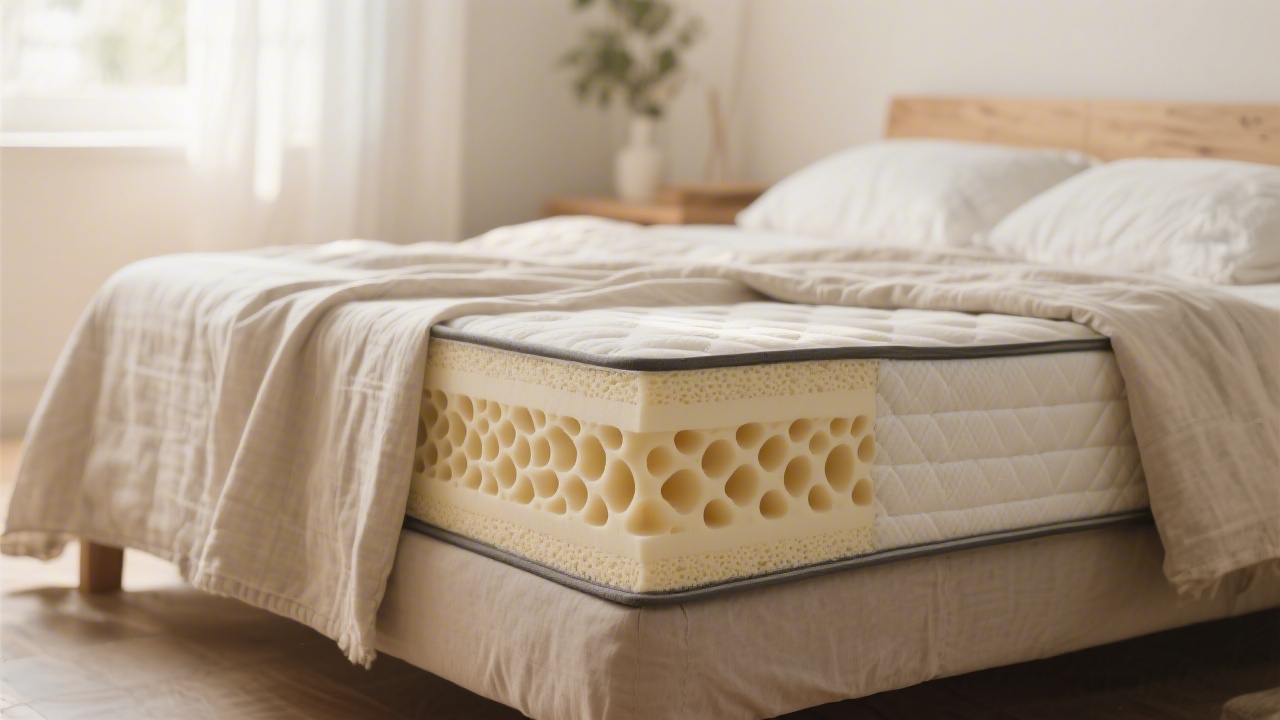
by Latex mattresses occupy a distinct niche: more responsive than memory foam, cooler than almost anything, and built to last decades. Whether you are drawn to the eco credentials or the specific feel, understanding the key distinctions -- natural vs synthetic, Talalay vs Dunlop -- prevents an expensive mistake.
Certified-organic pick: PlushBeds Botanical Bliss
If the goal is third-party-certified organic latex, PlushBeds is the strongest option we've tested. The Botanical Bliss stacks GOLS (Global Organic Latex Standard) certified latex, GOTS (Global Organic Textile Standard) cotton and wool, GREENGUARD Gold low-VOC certification, and Eco-INSTITUT validation — all four accreditations on one mattress.
Queen MSRP is $2,949 but the standing price is $1,449 (save $1,500). Three profiles (9", 10", 12") and two firmness options (Medium or Medium-Firm) cover most sleepers. Fabric-encased coils on the Luxury Bliss Hybrid version isolate motion for couples. Handcrafted in California.
Ownership terms: 100-night sleep trial, lifetime warranty.
Natural vs Synthetic vs Blended Latex
Natural latex is harvested from rubber trees and contains no petrochemicals. It is the most durable option, typically lasting 15-20 years, and is GOLS or GOTS certifiable for organic content. Synthetic latex (SBR) mimics the feel but degrades faster and off-gases more volatile organic compounds. Blended latex (typically 70% synthetic, 30% natural) falls in the middle on durability and cost.
Sleep Lab Alternative Picks
- Amerisleep AS3 ($1,449 sale) — Bio-Pur foam + HIVE zoning, 20-yr warranty
- PlushBeds Botanical Bliss ($2,999+) — organic latex, 25-yr warranty
- Puffy Lux ($1,950) — memory foam, lifetime warranty
- SweetNight Twilight ($209 budget) — CertiPUR-US foam
For a true latex mattress, verify the certification: GOLS (Global Organic Latex Standard) certifies the latex itself; GOTS (Global Organic Textile Standard) certifies the cover materials. The Saatva Zenhaven uses 100% natural American Talalay latex with a GOTS-certified organic cotton cover.
Pros and Cons
What We Like
- Luxury innerspring with excellent lumbar support
- Multiple firmness options available
- Free white-glove delivery and mattress removal
- 365-night trial and lifetime warranty
What Could Be Better
- Higher price than many online brands
- Heavier than foam mattresses
- Not compressed in a box
- Some off-gassing possible initially
Talalay vs Dunlop Processing
| Factor | Talalay | Dunlop |
|---|---|---|
| Density | Lighter, more consistent | Denser, heavier |
| Feel | Softer, more springy | Firmer, more supportive |
| Typical use | Comfort layers | Support cores |
| Breathability | Excellent (open-cell) | Very good |
| Durability | Very good (12-15 yrs) | Excellent (15-20 yrs) |
| Price | Higher | Lower |
A well-engineered latex mattress often uses Dunlop for the support base and Talalay for the comfort layer -- combining the durability of dense Dunlop with the softer, more consistent feel of Talalay on top.
Benefits of a Latex Mattress
- Responsiveness: Latex springs back immediately when you shift positions, unlike slow-recovery memory foam. Better for combination sleepers and couples.
- Natural cooling: Open-cell structure allows consistent airflow without gel infusions or copper threads required by foam competitors.
- Durability: Natural latex resists permanent body impressions far longer than polyurethane foam. A quality latex mattress is a 15-year investment.
- Hypoallergenic (processed latex): Latex is naturally resistant to dust mites and mold. Note: individuals with latex allergies should avoid latex mattresses.
- Eco credentials: Natural latex is biodegradable and renewable; GOLS certification ensures responsible sourcing.
Drawbacks of a Latex Mattress
- Weight: Latex mattresses are heavy -- a queen can weigh 80-130 lbs. Moving or rotating requires two people.
- Price: Quality all-latex mattresses run $1,500-$3,500 for a queen. Significantly more expensive than polyfoam alternatives.
- Latex allergy: Approximately 1-6% of the general population has a latex sensitivity. An all-foam or hybrid alternative is necessary for affected individuals.
- Less motion isolation than memory foam: Latex's responsiveness means it transfers slightly more motion than slow-recovery foam -- a consideration for light sleepers sharing a bed.
Best Latex Mattresses for 2026
The Saatva Zenhaven is our top all-natural latex pick. It uses 100% American Talalay latex in a flippable dual-sided design: one side is Luxury Plush (19 ILD), the other is Gentle Firm (28 ILD). This gives you two mattresses in one -- useful as your firmness preferences change over time. The GOTS-certified organic cotton cover and New Zealand wool fire barrier avoid chemical flame retardants.
For an alternative at a lower price point, the Avocado Green Mattress uses GOLS-certified organic Dunlop latex with an optional Talalay pillow top. Good for sleepers who want firm support with plush surface feel. For side sleepers specifically, see our best mattress for side sleepers guide for how latex stacks up against hybrid options. If temperature is your primary concern, compare with our best cooling mattress roundup.
Who Should Buy a Latex Mattress?
Frequently asked questions
Our top pick at this material
Saatva Latex Hybrid
Natural Talalay latex + pocketed coils. 15–20 year lifespan.
Latex mattress pros and cons?
Pros: 15–20 year lifespan, natural hypoallergenic, cooler than memory foam, responsive. Cons: heavier, more expensive, slight "bouncy" feel some sleepers dislike, latex allergy risk for a minority. The Saatva Latex Hybrid pairs natural latex with zoned coils for a balanced feel.
Talalay vs Dunlop latex?
Talalay: lighter, softer, more consistent cell structure, costs more. Dunlop: denser, firmer, more durable, costs less. Comfort layers = Talalay. Support cores = Dunlop. Many hybrid mattresses use both.
Is organic latex worth paying extra?
For chemical-sensitive sleepers yes (GOLS cert rules out pesticide residue). For everyone else, the performance difference between natural non-organic latex and organic latex is marginal — both are hypoallergenic and durable.
Latex is the right choice if you want a mattress that sleeps cool, responds quickly to movement, and lasts 15+ years without significant body impressions. It is particularly well-suited to back sleepers, combination sleepers, hot sleepers, and environmentally conscious buyers. It is less ideal for those with latex allergies, strict budgets under $1,200, or light sleepers who prioritize maximum motion isolation above all else.
The Best Natural Latex Mattress: Saatva Zenhaven
100% American Talalay latex, flippable dual-firmness, GOTS-certified organic cotton. 365-night trial, white-glove delivery.
Frequently Asked Questions
What is the difference between natural and synthetic latex?
Natural latex is derived from rubber tree sap (Hevea brasiliensis). It is more durable, more breathable, and biodegradable. Synthetic latex uses petrochemical-derived styrene-butadiene rubber (SBR), which is cheaper but less durable and less eco-friendly. Blended latex mixes both. For longevity and air quality, natural latex is the superior choice.
What is the difference between Talalay and Dunlop latex?
Dunlop is denser and firmer -- latex is poured into a mold in one pour, causing the heavier particles to settle at the bottom. Talalay is lighter and more consistent -- the latex is vacuum-expanded and flash-frozen before vulcanization. Talalay is typically used in comfort layers; Dunlop in support cores. Both types appear in quality natural latex mattresses.
Is a latex mattress good for back pain?
Yes, particularly for back and stomach sleepers. Latex provides responsive pushback (unlike memory foam's slow hug), which keeps the spine in neutral alignment. Its natural firmness resists excessive hip sinkage. Softer Talalay latex suits side sleepers needing shoulder pressure relief.
How long does a latex mattress last?
High-quality natural latex mattresses typically last 12-20 years -- significantly longer than memory foam (7-10 years) or hybrid (10-12 years). The cellular structure of natural latex resists compression and body impressions far longer than polyurethane foam alternatives.
Are latex mattresses good for hot sleepers?
Yes. Natural latex has an open-cell structure that allows airflow, making it significantly cooler than closed-cell memory foam. The Zenhaven uses 100% Talalay latex, which sleeps noticeably cooler than foam alternatives. For maximum cooling, pair with a breathable cotton or linen cover.