
 by
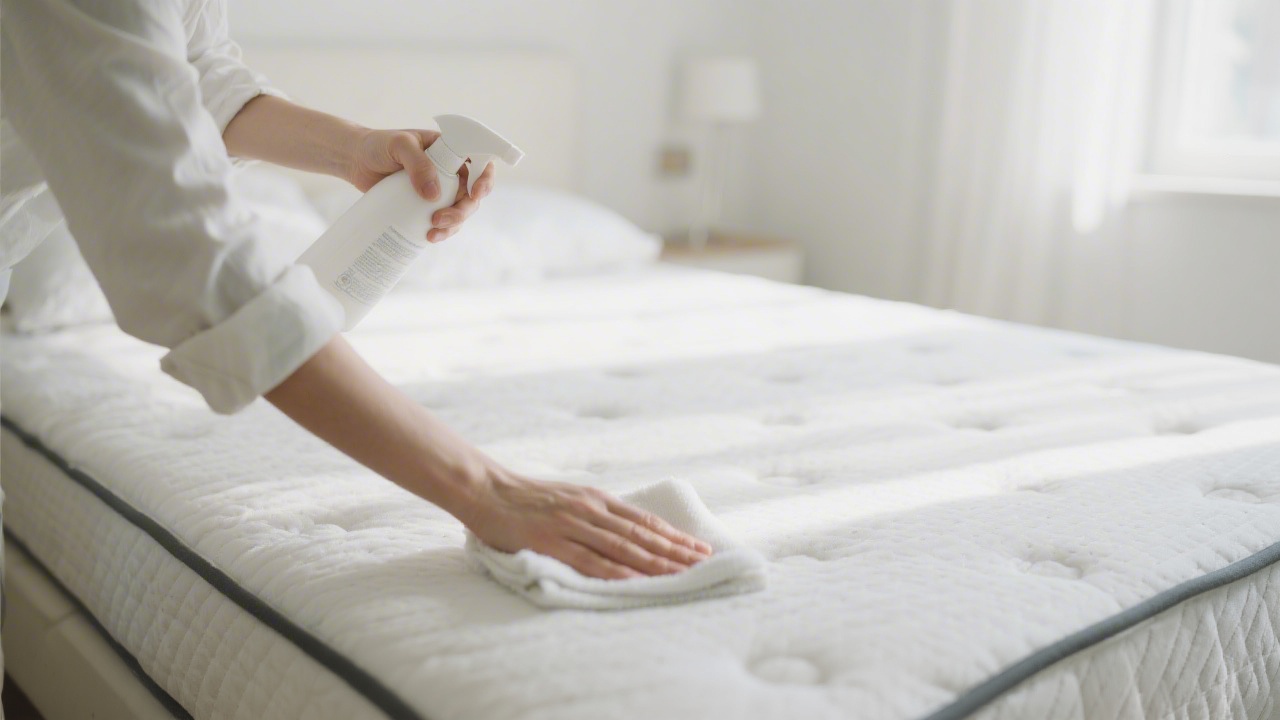
by Mattress stains are not all the same problem. Blood, urine, sweat, and biological stains each require a different chemistry to remove effectively. Using the wrong cleaner can set a stain permanently or damage the mattress materials -- particularly memory foam, which is sensitive to both heat and oxidizing agents. Here is a complete, stain-specific guide.
The Golden Rule: Act Immediately
Fresh stains are exponentially easier to remove than set stains. The moment a spill occurs: blot with a clean dry cloth (never rub -- rubbing spreads and embeds the stain), remove as much liquid as possible, then apply the appropriate cleaner. A stain that has been sitting for 24+ hours may require multiple treatments and still not fully resolve. Speed matters more than the specific product choice for most stains.
Pros and Cons
What We Like
- Luxury innerspring with excellent lumbar support
- Multiple firmness options available
- Free white-glove delivery and mattress removal
- 365-night trial and lifetime warranty
What Could Be Better
- Higher price than many online brands
- Heavier than foam mattresses
- Not compressed in a box
- Some off-gassing possible initially
Blood Stains
Always use cold water. Hot water denatures the proteins in blood and permanently sets the stain. For fresh blood: blot, then apply cold water mixed with a small amount of dish soap or hydrogen peroxide (3%). For memory foam: avoid hydrogen peroxide entirely -- it degrades foam cell structure. Use cold water and an enzyme cleaner (Puracy Natural Stain Remover, Bac-Out) instead.
For dried blood stains: make a paste of baking soda and cold water, apply to the stain, let sit 30 minutes, then blot and rinse with cold water. Repeat as needed. Dried blood may require 2-3 treatment cycles.
Urine Stains (Human and Pet)
Urine has two components: the initial stain (urea and urochrome -- treatable with basic cleaning) and the odor-causing uric acid crystals that form as urine dries. Standard cleaners address the stain but not the crystals. Enzyme cleaners are essential for odor removal because enzymes biologically break down uric acid rather than just masking it.
Process: blot immediately, apply enzyme cleaner (Rocco and Roxie, Nature's Miracle, Angry Orange), cover with plastic wrap for 10-15 minutes to prevent premature evaporation, then blot and apply baking soda. Leave baking soda overnight, vacuum in the morning. For pet urine, a UV blacklight after drying will reveal whether all affected areas have been treated -- uric acid crystals fluoresce under UV.
Sweat and Body Oil Stains (Yellow Staining)
The yellow discoloration on mattresses over time is a combination of dried sweat, body oils, and dust mite waste. Best treatment: mix 1 cup hydrogen peroxide + 3 tablespoons baking soda + 1 teaspoon liquid dish soap into a spray bottle. Apply lightly, let sit 20 minutes, blot dry. This works on innerspring and latex mattresses. For memory foam, use the enzyme cleaner approach and skip the peroxide.
Prevention is easier than treatment -- a quality mattress pad or protector captures sweat before it reaches the mattress surface. The Saatva Mattress Pad uses an organic cotton quilted surface that is machine washable and prevents moisture penetration to the mattress core.
Mold and Mildew
If you see grey or black spots with a musty odor, the mattress has mold growth, typically from sustained moisture (a wet cleaning that was not fully dried, or a humid environment). For surface mold on the mattress cover or top layers: apply undiluted white vinegar, let sit 1 hour, blot and dry completely. For mold that has penetrated into the core of a foam mattress, replacement is the only safe option -- mold in foam does not resolve with surface treatment and can cause respiratory issues.
Recommended Mattress Cleaning Products
| Product | Best For | Safe on Memory Foam? | Price |
|---|---|---|---|
| Puracy Natural Stain Remover | Blood, urine, organic stains | Yes | $12 |
| Rocco and Roxie Enzyme Cleaner | Pet urine, odors | Yes | $20 |
| Nature's Miracle Advanced | Pet stains, biological odors | Yes | $15 |
| Angry Orange | Pet odor elimination | Yes (diluted) | $10 |
| 3% Hydrogen Peroxide (pharmacy) | Blood, yellow sweat stains | NO -- avoid | $2 |
| Baking soda (any brand) | Odor absorption, general refresh | Yes | $1 |
What Never to Do
- Never saturate a mattress with liquid. Moisture inside foam layers causes mold that cannot be reversed.
- Never use hot water on protein stains (blood, urine, sweat). Heat sets proteins permanently.
- Never use hydrogen peroxide on memory foam. It accelerates oxidative foam breakdown.
- Never put a wet mattress back on the bed. Full air drying (with fan if possible) is required before replacing bedding.
- Never use a steam cleaner on a foam mattress. Steam heat melts the open-cell foam structure and voids most warranties.
The most durable stain prevention is a quality mattress protector. For our full bedding and protection recommendations, see our best mattress protector guide. For a full mattress replacement when cleaning cannot restore the surface, see our best mattress guide and the Saatva Classic review.
Prevent Future Stains: Saatva Mattress Pad
Organic cotton quilted surface, machine washable, fits mattresses up to 18 inches deep. The easiest way to protect a premium mattress.
Frequently Asked Questions
What is the best DIY mattress cleaner for general use?
A solution of 1 cup cold water, 1 tablespoon dish soap, and 1 tablespoon white vinegar applied with a clean cloth is effective for general surface stains and odors. Apply sparingly -- never saturate a mattress. Blot, do not rub. Follow with a dry cloth and allow full air drying before replacing bedding.
Can I use hydrogen peroxide on a mattress?
Diluted hydrogen peroxide (3%) is effective for blood stains on innerspring and latex mattresses. However, avoid it on memory foam -- peroxide accelerates oxidative degradation of the foam cells, causing premature breakdown of the comfort layer. For memory foam, use cold water and enzyme-based cleaner (like Puracy Natural Stain Remover) instead.
How do I get urine smell out of a mattress?
Blot excess liquid immediately, then apply a generous layer of baking soda to the affected area. Leave for 8-10 hours (overnight if possible), then vacuum thoroughly. For persistent odor, apply an enzyme-based cleaner (Rocco and Roxie, Nature's Miracle) before the baking soda step -- enzyme cleaners break down uric acid crystals that cause the characteristic smell.
How long does it take a mattress to dry after cleaning?
Surface cleaning with minimal moisture takes 2-4 hours with good airflow. Deeper saturation can take 8-24 hours. Never replace bedding on a still-damp mattress -- residual moisture causes mold and mildew growth inside the foam or fiberfill layers. Use a fan directed at the mattress and open windows to accelerate drying.
How often should I clean my mattress?
A light surface cleaning (baking soda and vacuum) every 3-6 months is sufficient for most sleepers. Spot-clean stains immediately as they occur -- set stains are significantly harder to remove than fresh ones. Washing the mattress cover or protector monthly prevents the majority of deep staining from reaching the mattress surface in the first place.