
 by
by Top Pick
Saatva Classic
Dual-coil innerspring with Euro pillow top — handcrafted in the USA.
Starting at $1,174 • Free white-glove delivery • 365-night trial
What the Comfort Layer Actually Does
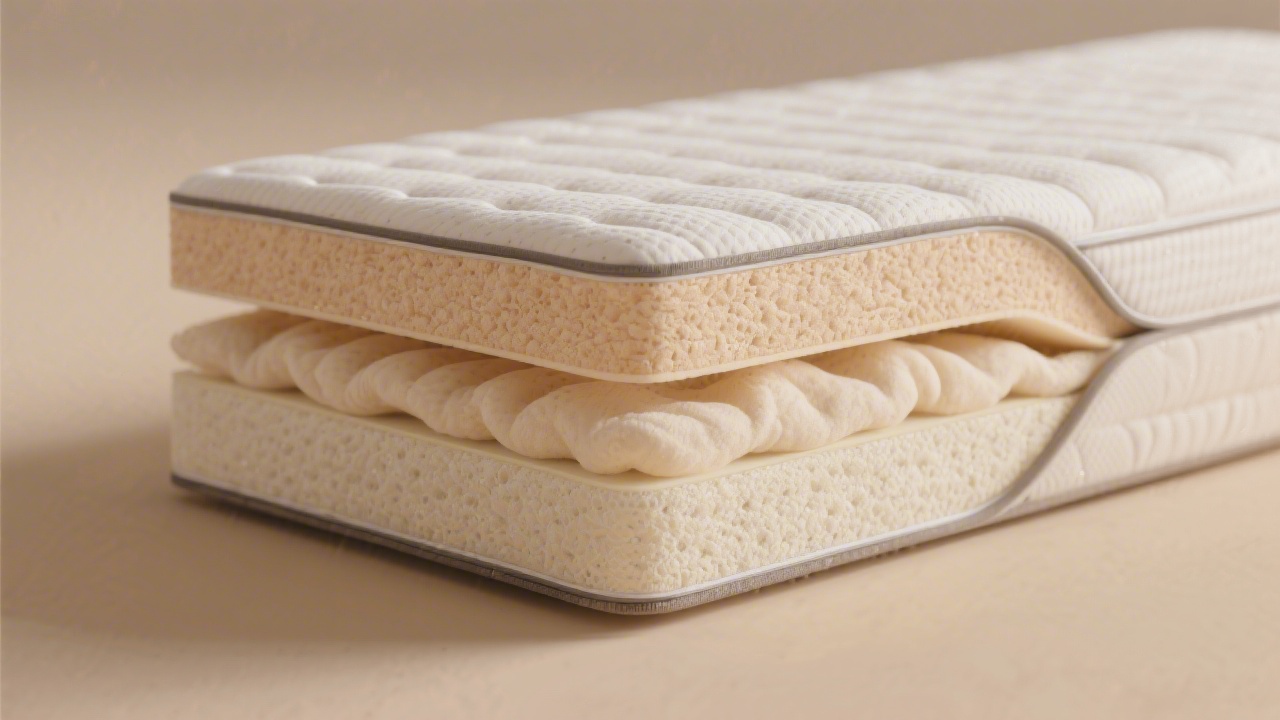
Every mattress has a layered construction. The comfort layer is the top section — the material you sleep on. Below it sits the support core. The comfort layer's job is to cushion pressure points, conform to body shape, and moderate the feel of the firmer support structure beneath.
This distinction matters because the feel of a mattress is primarily determined by its comfort layer, but the durability and support are determined by the core. Two mattresses can have identical support cores and feel completely different because of different comfort layers. Conversely, an excellent comfort layer on a poor-quality core will collapse prematurely.
Comfort Layer Materials: A Practical Comparison
Memory Foam
Memory foam comfort layers conform closely to body shape under heat and pressure. They excel at shoulder and hip pressure relief for side sleepers. The trade-offs are heat retention (though open-cell formulations reduce this), slow response (making position changes feel effortful), and long-term compression under heavy loads. Density is the primary quality indicator: 4-5 PCF memory foam outperforms 3 PCF foam on both feel and longevity.
Latex Foam
Natural latex comfort layers are responsive (bounce back quickly), temperature-neutral, and highly durable. Latex does not retain heat the way polyurethane foam does. It also outlasts memory foam under equivalent use — a latex comfort layer in a premium mattress can remain functional for 10-15 years. The drawback is weight (latex is heavy, making mattress flipping and transport difficult) and cost (natural latex is an expensive raw material).
Micro-Coil Layers
Micro-coil comfort layers (1-2 inch pocketed springs) provide the most airflow of any comfort layer material and respond immediately to pressure changes. They are the primary comfort material in dual-coil designs like the Saatva Classic. Their limitation is motion transfer — coils transmit movement between sleep partners more than foam does.
Polyfoam
Polyurethane foam (polyfoam) is the most common mattress material across all price points. Quality ranges enormously. In budget mattresses, low-density polyfoam (1.5-2 PCF) is the primary comfort layer, and it compresses and sags within a few years. In mid-range and premium mattresses, high-density polyfoam (2.5-3 PCF) serves as a transition layer rather than the primary comfort surface. Knowing the specific density of any polyfoam layer is essential to evaluating a mattress honestly.
Natural Fiber Quilting
Premium pillow-top mattresses include a quilted surface layer above the foam or coil comfort layers. Common materials: wool (temperature-regulating, moisture-wicking), cotton (breathable, affordable), and cashmere or silk (ultra-soft surface feel, found in luxury products). These quilting layers are typically 0.5-1 inch thick and add surface softness rather than structural support. They can extend comfort longevity by distributing surface wear.
Comfort Layer Thickness and Sleep Position
Comfort layer thickness is not universally better when thicker. The appropriate thickness depends on sleep position:
- Side sleepers: 3-4 inches of medium-soft material — sufficient cushioning for hip and shoulder pressure points
- Back sleepers: 2-3 inches — enough cushioning for the lumbar curve without allowing the hips to sink and misalign the spine
- Stomach sleepers: 1-2 inches, firmer — thick soft comfort layers allow the hips and lower back to sink, creating the spinal extension that causes lower back pain in stomach sleepers
- Combination sleepers: 2-3 inches of responsive material (latex or micro-coil) — responsive materials make position changes easier than conforming foams do
How Comfort Layers Age
The comfort layer is the first part of a mattress to wear. Body impressions, loss of resilience, and "bottoming out" (feeling the support core through the comfort layer) all originate in comfort layer degradation. Signs that a comfort layer has failed:
- Visible body impressions deeper than 1 inch when the mattress is unoccupied
- Waking with pain that was not present when the mattress was new
- A noticeably firmer feel than when purchased
- Coil sensation through the surface (micro-coil or innerspring core becoming perceptible)
Most mattress warranties cover impressions of 1.5 inches or more. In practice, a comfort layer that has lost its feel will degrade sleep quality before it meets warranty thresholds. High-density foam and latex comfort layers age most gracefully; low-density foam and polyfoam layers degrade fastest.
Further Reading
For full context, see our guides on best hybrid mattresses, best latex mattresses, and best mattresses for back pain. Our mattress firmness guide covers how comfort layer ILD and thickness interact with firmness ratings.
Frequently Asked Questions
What is the comfort layer of a mattress?
The comfort layer is the uppermost section of a mattress — everything above the support core. It is the layer you directly contact when sleeping. The comfort layer's thickness, density, and material determine how the mattress feels: soft or firm, responsive or conforming, warm or cool.
How thick should a mattress comfort layer be?
Comfort layer thickness ranges from 1 to 5 inches depending on the target feel. Firmer mattresses have thinner comfort layers (1-2 inches). Plush and luxury mattresses have thicker comfort layers (3-5 inches). Side sleepers typically benefit from thicker comfort layers for shoulder and hip cushioning. Too-thick comfort layers can cause alignment problems for stomach and back sleepers.
What materials are used in mattress comfort layers?
The main comfort layer materials are: memory foam (conforming, pressure-relieving, retains heat), latex foam (responsive, cooler, durable), polyfoam (varies widely by quality), micro-coils (responsive, coolest, best for combo sleepers), and natural fiber quilting (wool, cotton, cashmere — found in pillow tops of premium mattresses).
Does comfort layer thickness affect durability?
Yes. Thicker, softer comfort layers — particularly memory foam — compress over time and develop body impressions. A 4-inch memory foam comfort layer will show impressions faster than a 2-inch layer under the same load. This is why premium mattresses either use denser foam (4+ PCF) in thicker comfort layers or substitute micro-coil or latex layers that resist compression better.
What comfort layer is best for side sleepers?
Side sleepers need a comfort layer that cushions the shoulder and hip pressure points. A 3-4 inch comfort layer of memory foam or latex, or a dense micro-coil layer, works well. Very thin comfort layers (1-2 inches) over a firm core leave side sleepers with concentrated pressure at bony contact points, leading to numbness and shoulder pain.
Our Recommendation
Saatva Classic
Dual-coil innerspring with Euro pillow top — handcrafted in the USA.
Starting at $1,174 • Free white-glove delivery • 365-night trial