
 by
by Mattress Construction Matters for Night Sweats
The Saatva Classic's coil system and organic cotton/wool cover dissipate heat rapidly — critical during hormonal night sweats that require fast cooling.
Night sweats affect an estimated 3% of the general population and are significantly more common during hormonal transitions. Treatment depends entirely on identifying the cause — a lifestyle fix that works for idiopathic night sweats will do nothing for medication-induced sweating. This guide covers the evidence base by cause type.
For background on the underlying physiology, see our night sweats overview and night sweats causes guide.
Hormonal Night Sweats: Menopause and Perimenopause
Estrogen decline disrupts the hypothalamic thermostat, narrowing the "thermoneutral zone" — the temperature range within which the body doesn't trigger sweating or shivering. Small thermal fluctuations that a premenopausal woman would sleep through trigger a full hot flash response in perimenopause.
Evidence-based treatments:
Hormone replacement therapy (HRT/MHT). The most effective intervention for menopausal night sweats. Studies show 75–80% reduction in hot flash frequency. Systemic estrogen is most effective; low-dose vaginal estrogen does not address systemic thermoregulation. Discuss risk-benefit with your physician — modern low-dose formulations have improved the safety profile significantly.
Non-hormonal prescription options:
- SSRIs/SNRIs: Low-dose paroxetine (7.5 mg, FDA-approved as Brisdelle) reduces hot flash frequency by ~50%. Venlafaxine and escitalopram show similar effects. First-line for women who cannot or prefer not to use HRT.
- Gabapentin: Shows ~45% reduction in hot flash frequency in multiple trials. Particularly useful for women with concurrent insomnia or nerve pain.
- Clonidine: Modest effect (~25% reduction), more side effects. Generally third-line.
- Fezolinetant (Veozah): FDA-approved 2023. A neurokinin B receptor antagonist that targets the hypothalamic thermostat mechanism directly. Shows 50–60% reduction in moderate-to-severe hot flashes without hormonal activity.
Behavioral interventions for hormonal night sweats:
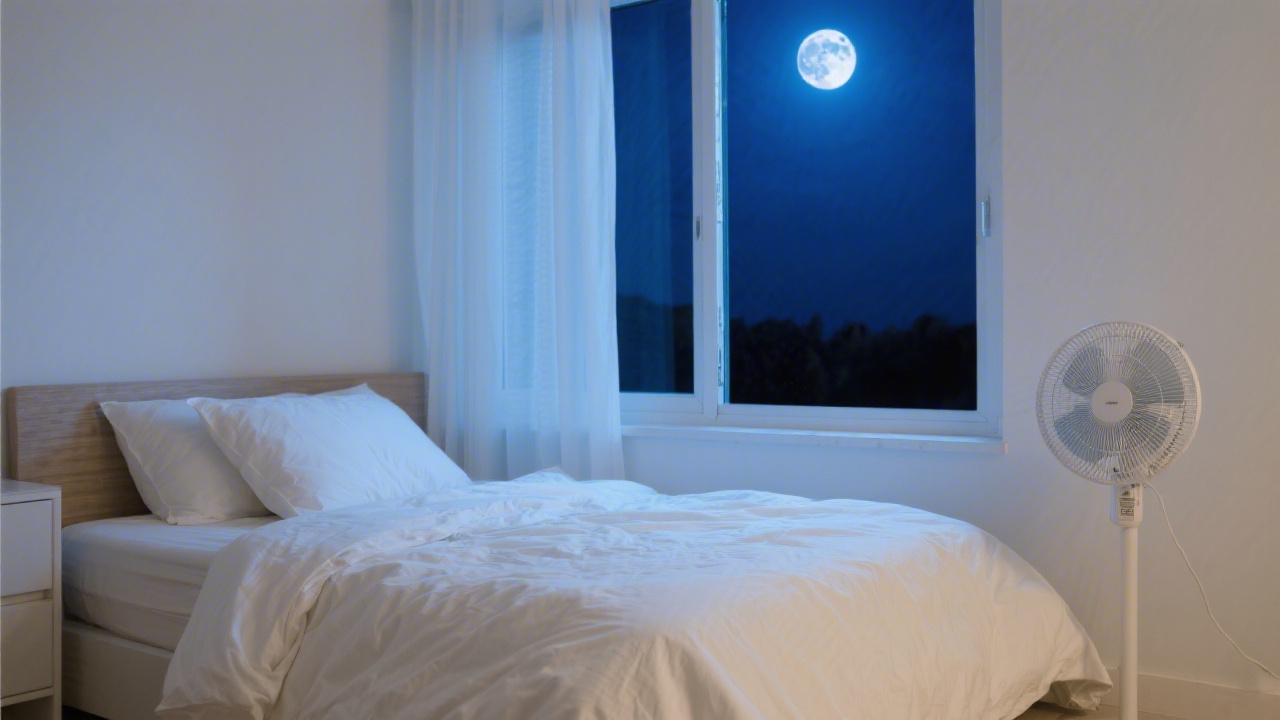
Lower bedroom temperature to 60–65°F. Use moisture-wicking bedding (percale cotton or bamboo — not microfiber). Sleep on a coil or hybrid mattress that allows heat dissipation. Keep a thin cotton layer and a heavier layer separate for rapid shedding. Some women find a small bedside fan directed at the bed beneficial during episodes.
Testosterone Decline and Male Night Sweats
Testosterone decline (andropause) produces a similar but less severe thermoregulatory disruption than menopause. Night sweats in men over 50 are frequently attributed to stress or environment when the underlying cause is hypogonadism.
Treatment: Testosterone replacement therapy (TRT) resolves andropause-related night sweats in most cases. Evaluation requires total testosterone, free testosterone, and LH/FSH measurements. If TRT is not appropriate, the SSRIs and clonidine options used for menopausal hot flashes have some evidence in men as well.
Medication-Induced Night Sweats
Multiple medication classes cause night sweats as a side effect:
- Antidepressants (SSRIs, SNRIs, TCAs) — among the most common drug causes. Paradoxically, the same medications used to treat hot flashes can cause sweating at full doses.
- Antipyretics and NSAIDs — particularly aspirin and acetaminophen at high doses via prostaglandin pathway
- Oral hypoglycemics — nocturnal hypoglycemia produces sweating as a sympathetic response
- Opioids — direct hypothalamic thermostat disruption
- Tamoxifen and aromatase inhibitors — effectively induce chemical menopause
- GnRH agonists (leuprolide, used in prostate cancer treatment) — profound androgen suppression
Treatment: Review medications with your prescribing physician before making any changes. Often, switching to a different agent in the same class, adjusting timing (taking the medication in the morning vs. evening), or dose adjustment resolves medication-induced night sweats. Do not discontinue psychiatric medications without physician guidance.
Idiopathic Night Sweats (No Identified Cause)
After ruling out hormonal, infectious, malignant, and medication causes, some cases of night sweats remain unexplained. These typically respond to behavioral and environmental interventions:
- Lower room temperature to 60–65°F
- Replace foam mattress with coil/hybrid construction
- Switch to moisture-wicking bedding (percale cotton, bamboo-lyocell)
- Avoid alcohol within 3 hours of bedtime (vasodilation + disrupted sleep architecture)
- Avoid spicy meals and hot beverages within 2 hours of bedtime
- Review stimulant intake (caffeine after noon, energy drinks)
For hot-flash-specific management strategies, see our hot flash mattress and bedding guide.
When Night Sweats Require Urgent Evaluation
Night sweats accompanied by any of the following warrant prompt medical evaluation: unintentional weight loss, swollen lymph nodes, persistent fever, blood in urine or stool, or night sweats that are new-onset in a person over 60 without an identified hormonal cause. These may indicate lymphoma, tuberculosis, HIV, endocarditis, or other systemic conditions where night sweats are a secondary symptom.
The Sleep Environment During Treatment
While addressing the underlying cause, managing the sleep environment reduces the impact of episodes. The mattress is the single largest surface in contact with the body during a night sweat event. All-foam mattresses absorb and retain moisture while also trapping heat — the worst combination during a hot flash. Innerspring and hybrid mattresses with organic cotton or wool covers both wick moisture and allow airflow, reducing the severity and duration of thermal discomfort during episodes.
For the complete thermoregulation picture: core body temperature and sleep.
Support Your Treatment with the Right Mattress
During night sweats, you need rapid heat and moisture dissipation. The Saatva Classic's coil construction and organic cotton cover deliver both.
Frequently Asked Questions
What is the fastest treatment for night sweats from menopause?
Hormone replacement therapy (HRT/MHT) produces the fastest and most complete response — typically 75–80% reduction in hot flash frequency within 2–4 weeks. For women who cannot use HRT, low-dose paroxetine (Brisdelle, FDA-approved) or venlafaxine are next-line with evidence of ~50% reduction.
Can night sweats go away on their own?
Perimenopausal night sweats typically persist for 1–7 years without treatment, peaking around the final menstrual period. Idiopathic night sweats may resolve with environmental and lifestyle changes. Medication-induced night sweats resolve with medication adjustment. Night sweats from systemic illness resolve only with treatment of the underlying condition.
Does alcohol cause night sweats?
Yes. Alcohol causes peripheral vasodilation initially (the warm flush feeling), but disrupts sleep architecture in the second half of the night. It also causes rebound hyperarousal and can trigger hypothalamic thermostat dysregulation. Even moderate drinking (1–2 drinks in the evening) can worsen night sweats in susceptible individuals.
What bedding is best for night sweats?
Percale-weave cotton (200–300 thread count) or bamboo-lyocell sheets. Avoid microfiber and high thread count cotton (400+) — both trap heat. A wool mattress pad provides moisture wicking without heat retention. For the mattress itself, innerspring or hybrid construction is significantly better than all-foam for people with night sweats.
Are night sweats different from hot flashes?
Hot flashes are the sudden sensation of intense heat (with or without visible sweating) that can occur day or night. Night sweats specifically describe drenching nocturnal sweating severe enough to disrupt sleep. Hot flashes that occur at night are the most common cause of night sweats, but not all night sweats are hot-flash-origin.
Key Takeaways
Night Sweats Treatment is a topic that depends heavily on individual needs and preferences. The most important thing is to consider your specific situation — your body type, sleep position, and personal comfort preferences — before making any decisions. When in doubt, take advantage of trial periods to test before committing.