
 by
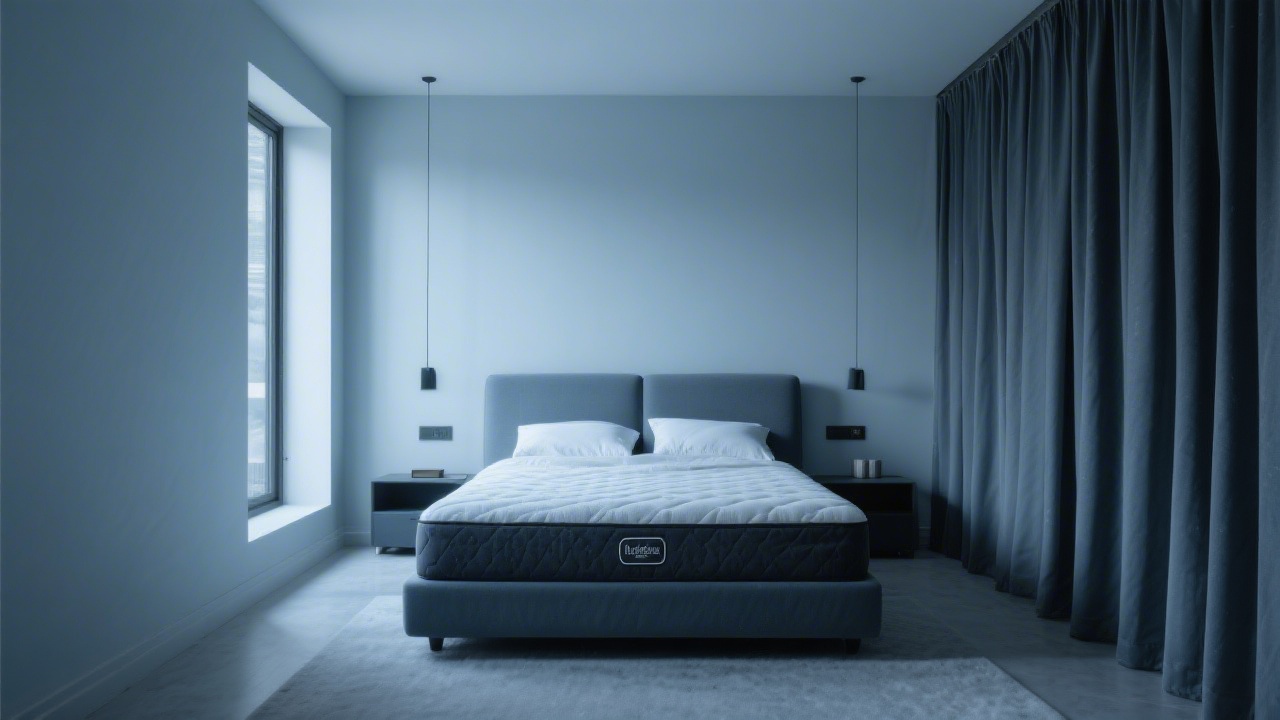
by Looking for the sleep surface that makes this possible? The Saatva Classic is consistently rated among the top mattresses for sleep quality, pressure relief, and spinal support. Read our full review →
Most sleep advice is fragmented: take magnesium, use blackout curtains, avoid screens. This page assembles the complete picture — what sleep scientists, chronobiologists, and sleep medicine physicians actually do themselves, and what the evidence suggests is the full optimal protocol.
This isn't aspirational perfection. It's a practical framework for what genuinely well-optimized sleep looks like, grounded in mechanism rather than habit marketing.
The Optimal Sleep Schedule
Timing: Aligned with Your Chronotype
Optimal sleep timing is chronotype-matched — aligned with your biological preference rather than an arbitrary cultural norm. For early chronotypes (natural early risers), optimal sleep is roughly 9:30pm-5:30am. For middle chronotypes (the majority), approximately 10:30pm-6:30am. For late chronotypes, midnight-8am may be genuinely optimal.
The key is consistency, not the specific hours. Irregular sleep timing — varying by more than 30-45 minutes across days — disrupts circadian rhythm with effects comparable to social jet lag, degrading sleep quality even when total hours are adequate. Choose a window and defend it.
Duration: 7-9 Hours with Individual Calibration
Optimal duration is individually variable within the 7-9 hour range. The most reliable calibration method: wake without an alarm for two weeks (on vacation, or when schedule allows). The duration your body naturally settles into is likely your optimal. Most people need 7.5-8.5 hours; claiming you function well on 6 hours is more likely the result of chronic sleep deprivation impairing your self-assessment than genuine low sleep need.
The Optimal Sleep Environment
Temperature: 65-68°F (18-20°C)
Sleep onset requires a drop in core body temperature of 1-2°F. A cool bedroom (65-68°F) facilitates this drop. Rooms above 70°F meaningfully impair sleep onset and slow-wave sleep depth. The thermal environment is consistently ranked among the top environmental factors in sleep research — more impactful than noise in most controlled comparisons.
Light: Near-Total Darkness
The pineal gland's melatonin production is exquisitely sensitive to light. Light levels as low as 10 lux can suppress melatonin sufficiently to impair sleep onset. Optimal sleep requires near-total darkness — blackout curtains or a well-fitted eye mask, with all electronic indicator lights covered. Any light that allows you to see clearly across the room is likely too bright.
Sound: Below 30 dB or Consistent Masking
Intermittent sounds are more disruptive than consistent sounds of equal volume. Traffic, notifications, and irregular household sounds cause micro-arousals even when they don't fully wake you. Options: earplugs (reduces input by 25-35 dB), white/pink noise at moderate volume (masks variable sounds), or physical sound isolation. The goal isn't silence but consistency.
The Sleep Surface: The Central Variable
Your mattress and pillow determine spinal alignment, pressure distribution, and temperature regulation through the night. An inadequate sleep surface causes micro-arousals through pressure points, thermal discomfort, and postural stress — often without the person aware they're being disrupted.
Optimal mattress characteristics for sleep architecture quality: sufficient pressure relief to prevent circulatory restriction (causing position shifts), support that maintains neutral spinal alignment in your primary sleep position, and thermal properties that don't trap body heat. The Saatva Classic integrates Euro pillow top pressure relief, individually wrapped coils for targeted support, and a breathable organic cotton cover — the combination that sleep science identifies as most conducive to uninterrupted sleep architecture.
The Optimal Pre-Sleep Routine
60-90 Minutes Before Sleep: Wind-Down Window
The body needs a transition period from wakefulness to sleep. The optimal wind-down window is 60-90 minutes of progressively lower stimulation and light exposure. This isn't a rigid protocol — it's an envelope within which you're reducing arousal rather than increasing it.
- Light dimming: Transition to warm, dim lighting (candles, amber bulbs, or dim lamps below eye level). Avoid overhead lights.
- Screen management: Either avoid screens or use blue light filtering aggressively. The content matters as much as the light — emotionally arousing content (news, social media, thriller content) delays sleep onset regardless of color temperature.
- Temperature priming: A warm bath or shower 60-90 minutes before sleep accelerates the core body temperature drop that initiates sleep. The post-bath cooling is the mechanism, not the heat itself.
30 Minutes Before Sleep: The Pre-Sleep Stack
Evidence-based pre-sleep practices with the strongest research support:
- Cognitive offload: Writing tomorrow's to-do list (not reviewing it, writing it) reduces bedtime cognitive arousal by 40% in controlled research. The act of writing creates psychological closure.
- Gratitude reflection: As covered in our gratitude and sleep research, brief evening gratitude journaling significantly improves pre-sleep cognition quality and sleep onset speed.
- Reading (physical book, low-stimulation content): 6-10 minutes of reading reduces stress markers by up to 68% — more effective than music or walking. Physical books avoid light exposure concerns.
Morning Anchoring: The Often-Overlooked Side
Optimal sleep isn't just about what you do before bed — it's anchored by consistent wake-time behavior. Morning bright light exposure within 30 minutes of waking is the strongest available zeitgeber (time-giver) for the circadian system. It sets the timing of evening melatonin onset 14-16 hours later with remarkable precision.
Optimal morning protocol: wake at consistent time, expose eyes to bright natural light within 30 minutes (outside is ideal; through windows is significantly less effective), and delay caffeine consumption 90-120 minutes after waking. Caffeine immediately on waking blunts cortisol's natural morning peak, creating an afternoon crash that disrupts sleep timing.
What Optimal Sleep Feels Like
Many people have been chronically sleep-deprived long enough that they've lost the reference point. Optimal sleep feels like waking before your alarm (or right at it) feeling genuinely ready — not functional, but actually ready. Mental clarity comes quickly. The emotional palette is broader — more curiosity, warmth, and equanimity than when under-slept. Physical sensations are more positive. Problems that felt heavy the night before feel tractable.
This isn't aspirational or rare — it's the normal experience of adequate, high-quality sleep that most people have simply stopped expecting. The sleep wellness framework offers the comprehensive overview; this protocol provides the operational specifics.
Frequently Asked Questions
Do I need to do everything in this protocol for it to work?
No. The optimal protocol describes the full picture, not an all-or-nothing requirement. The highest-leverage elements are consistent sleep timing, cool temperature, and darkness — getting these three right produces most of the available benefit. The pre-sleep routine elements add meaningful improvement, but start with the environmental and timing fundamentals.
How quickly will I notice improvement if I implement this?
Timing and temperature changes often produce noticeable improvement within the first week. The pre-sleep routine benefits accumulate over 2-4 weeks as the body adapts to consistent signals. Full circadian re-anchoring after years of irregular sleep typically takes 2-6 weeks of consistent practice before feeling stable.
Does a better mattress really make a significant difference?
For people with pressure-related disruptions or poor spinal support, yes — significantly. Research on mattress upgrades finds that they produce measurable improvements in sleep quality, back pain, and daytime function in populations with inadequate sleep surfaces. The effect is largest for people with objectively poor mattresses; if your mattress is already well-suited to your sleep position and preferences, the gains are smaller.
Is white noise actually helpful or just another habit?
White noise has genuine evidence behind it, primarily as a masking agent for variable sounds. It doesn't improve sleep in quiet environments but meaningfully helps in environments with unpredictable noise. Pink noise (deeper, more natural-sounding) has some evidence for mild slow-wave sleep enhancement beyond simple masking, though the effects are modest.
What's the most common mistake people make when trying to optimize sleep?
Treating weekends differently. Most sleep optimization efforts succeed on weekdays and are undermined by weekend schedule shifts of 2-3 hours. This social jet lag resets the circadian clock every week, preventing the stable anchoring that optimal sleep requires. Keeping weekend wake times within 30-45 minutes of weekday times is the single highest-leverage discipline in most people's sleep optimization.
Ready to Upgrade Your Sleep Foundation?
The research on sleep and life quality is clear. The practical question is what's limiting your sleep right now. If your sleep surface is part of the answer, the Saatva Classic mattress offers the pressure relief, support, and temperature regulation that sleep architecture research consistently identifies as most important for restorative sleep. See the Saatva Classic →
Our Top Mattress Pick
The Saatva Classic consistently ranks #1 for comfort, support, and long-term durability.
View Saatva Classic Pricing & Details