
 by
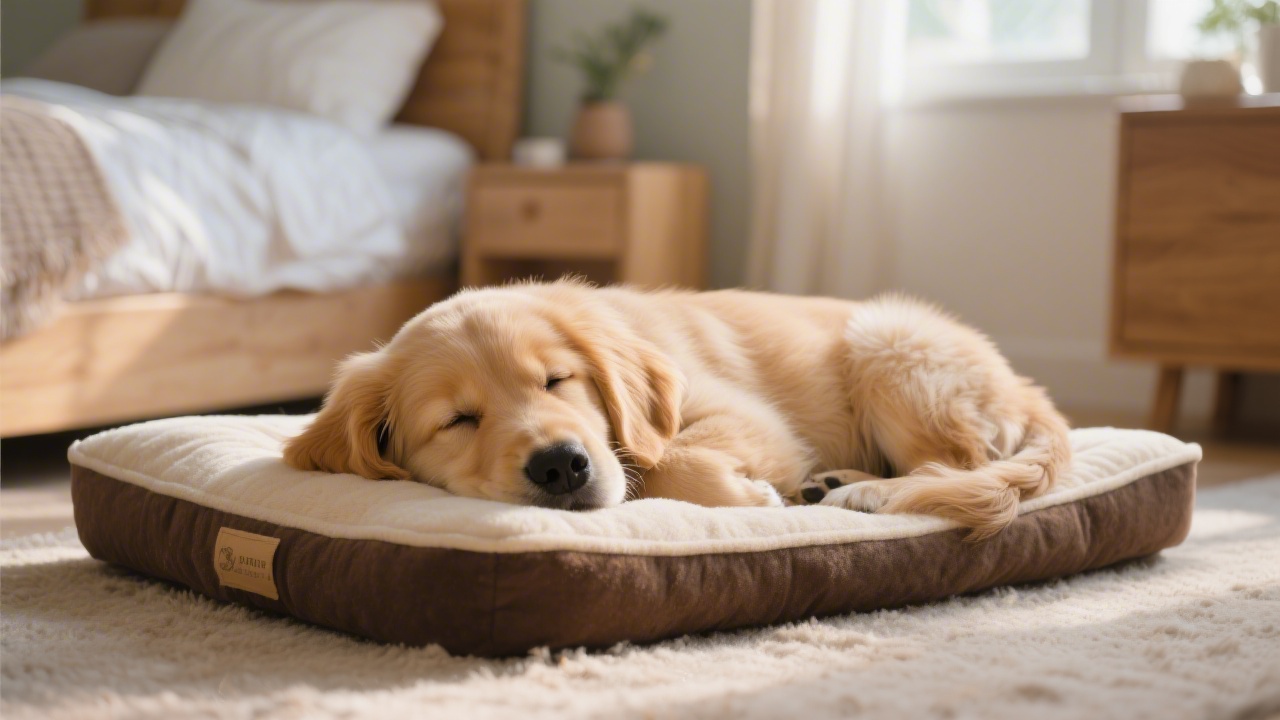
by Puppies sleep 16 to 20 hours per day. That is not laziness. It is a biological requirement driven by the enormous metabolic demands of early development. Understanding puppy sleep is useful for one primary reason: their schedule will disrupt yours for 8 to 16 weeks, and knowing what to expect helps you manage it.
Our Recommendation
Saatva Mattress Pad — waterproof protection for pet owners
Affiliate disclosure: We may earn a commission if you purchase through our links at no extra cost to you.
Why Puppies Need So Much Sleep
During sleep, the pituitary gland releases growth hormone in pulses. Muscle fibers repair. Neural pathways formed during waking hours are consolidated into long-term memory. The immune system produces cytokines that fight infection. A puppy deprived of adequate sleep will show stunted development, increased stress hormones, and compromised immunity.
At 8 weeks, when most puppies arrive in new homes, they are in a critical socialization window and their brains are working overtime. Expect sleep between play sessions to look dramatic. A puppy that collapses mid-play and sleeps for 90 minutes is behaving normally.
The Typical Puppy Sleep Schedule by Age
8 to 10 weeks: 18 to 20 hours of sleep per day. Bladder capacity limited to 1 to 2 hours. Expect 1 to 3 nighttime wake-ups. Sleep cycles are short, approximately 16 minutes, alternating between active (REM-equivalent) and quiet sleep.
10 to 16 weeks: 16 to 18 hours. Bladder capacity extends to 3 to 4 hours. Most puppies begin sleeping a 5 to 6 hour nighttime stretch by 12 to 14 weeks. Daytime naps remain frequent: 2 to 3 hours after each play session.
4 to 6 months: 14 to 16 hours. Nighttime stretches of 6 to 8 hours become achievable. Adult sleep architecture begins to emerge with longer REM cycles.
6 to 12 months: 12 to 14 hours. Approaching adult patterns. Most dogs this age sleep through the night reliably.
How Puppy Sleep Disrupts Human Sleep
Research from the Mayo Clinic Sleep Disorders Center found that dog owners who allowed pets in the bedroom had lower sleep efficiency (81%) compared to those without pets (83%). For puppies specifically, the disruption is more severe due to active REM behavior, whimpering, and the need for nighttime bathroom trips.
The four main disruption mechanisms:
1. Bladder alerts: Until 12 weeks, puppies cannot hold urine longer than 2 to 3 hours. An accident in bed involves cleanup at 2 am. A waterproof mattress pad eliminates the worst consequences.
2. REM twitching: Puppies experience proportionally more REM sleep than adult dogs. They vocalize, paddle, and twitch visibly. Light sleepers register this as noise even if the puppy does not fully wake.
3. Separation testing: Puppies raised in litters have never slept alone. When you leave the room, many vocalize. This is triggered by separation from the social group, not disobedience.
4. Early morning activation: Most puppies become alert at sunrise due to circadian rhythms tied to light exposure. Blackout curtains in your bedroom can delay this 30 to 60 minutes.
Practical Steps to Reduce Nighttime Disruption
Crate placement: Position the crate within arm's reach of your bed. The proximity reduces separation anxiety. You can reassure the puppy without getting up. Move the crate progressively further over 4 to 6 weeks as the puppy adjusts.
Last potty trip: Take the puppy out at 10 to 11 pm, immediately before your own bedtime. This maximizes the window before the next necessary trip. Set an alarm for 2 to 3 am for the first 2 to 3 weeks rather than waiting for crying, which trains the puppy to vocalize for attention.
Exercise timing: A vigorous play session 2 hours before bedtime, not immediately before, promotes deeper sleep. Immediately pre-bedtime arousal extends the time to sleep onset.
White noise: A white noise machine or fan running at low volume in the bedroom masks external sounds that would otherwise trigger alerting responses in the puppy.
Mattress protection: Use a waterproof mattress pad from day one if the puppy will be in the bedroom. Accidents are not a matter of if but when during the first 12 weeks.
When Puppy Sleep Problems Are a Red Flag
Consult a veterinarian if the puppy: sleeps more than 20 hours per day consistently after 10 weeks, cannot be roused easily, shows labored breathing during sleep, or exhibits prolonged disorientation after waking. These can indicate hypoglycemia, infections, or neurological issues.
Frequently Asked Questions
How many hours a day do puppies sleep?
Puppies typically sleep 16 to 20 hours per day. This is normal and necessary for brain development, immune system maturation, and physical growth. Newborns sleep almost continuously, while puppies 8 to 16 weeks old begin consolidating sleep into longer periods.
When do puppies start sleeping through the night?
Most puppies begin sleeping through the night between 3 and 4 months of age. Individual variation is wide. Consistent bedtime routines, last potty trips at 10 to 11 pm, and a crate placed near your bed typically accelerate this milestone.
Why does my puppy wake me up at night?
Puppies wake their owners due to bladder urgency (every 2 to 3 hours until 12 weeks), hunger, loneliness or separation anxiety, and discomfort. The most common cause in young puppies under 12 weeks is the need to eliminate.
Should puppies sleep in your bed?
The American Veterinary Society of Animal Behavior does not prohibit co-sleeping but notes risks including accidental injury to the puppy, disrupted human sleep, and potential reinforcement of separation anxiety. Most trainers recommend transitioning to independent sleep by 6 months.
How do I protect my mattress from a puppy?
A waterproof mattress pad provides the most effective protection against puppy accidents. Pair it with a washable mattress cover. Replace the mattress pad immediately after accidents and wash it at 60 degrees Celsius to eliminate bacteria and odors.
Key Takeaways
Puppy Sleep Schedule is a topic that depends heavily on individual needs and preferences. The most important thing is to consider your specific situation — your body type, sleep position, and personal comfort preferences — before making any decisions. When in doubt, take advantage of trial periods to test before committing.