
 by
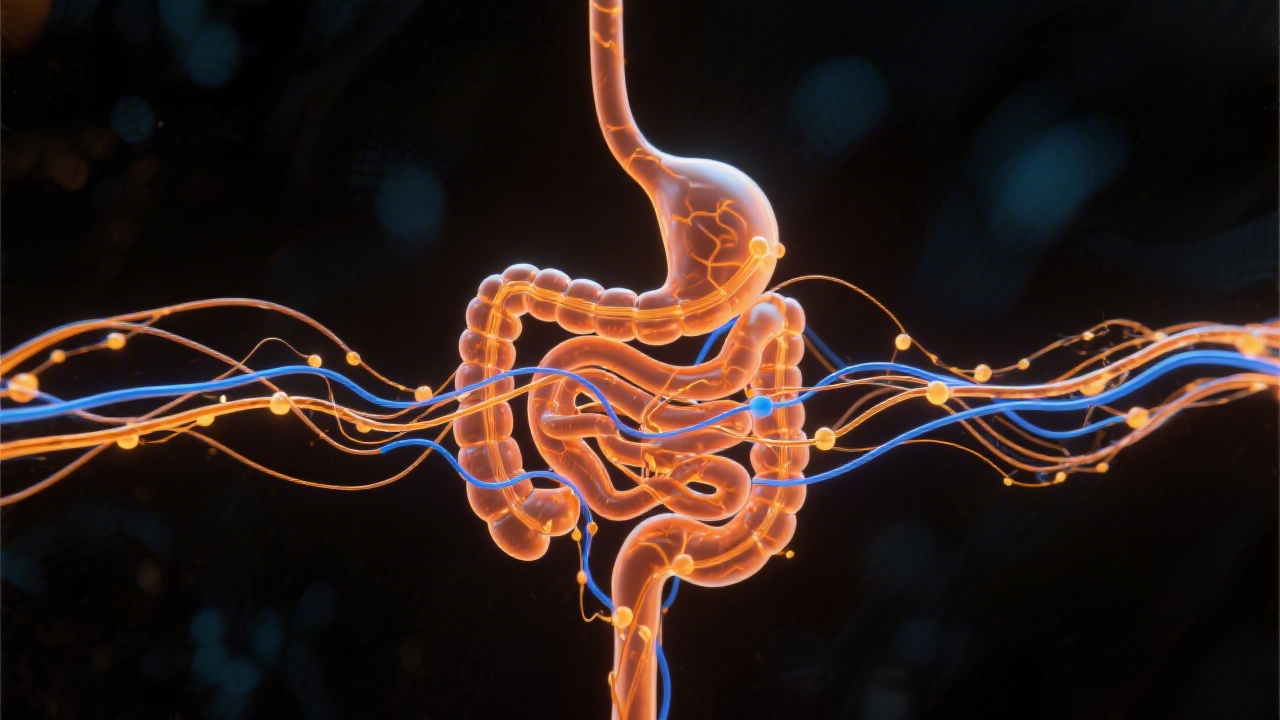
by The idea that gut health affects sleep used to be considered fringe science. In the past decade, the gut-brain axis has emerged as one of the most active areas in sleep research, with microbiome composition correlating with sleep quality, sleep duration, and specific sleep stages. Crucially, the relationship runs in both directions: gut bacteria affect sleep, and sleep deprivation disrupts the gut microbiome within days.
Looking for a mattress that supports better sleep?
The Saatva Classic is handcrafted in the USA with eco-friendly materials, designed to support healthy sleep architecture night after night.
Explore Saatva Mattresses →The Gut-Brain Axis: Three Communication Pathways
1. The Vagus Nerve
The vagus nerve is the longest cranial nerve, running from the brainstem to the abdomen. Approximately 80% of the signals travel from gut to brain. Enteroendocrine cells respond to microbial metabolites and send signals directly to the brain via vagal afferents. Sleep deprivation reduces vagal tone, measurable as lower heart rate variability (HRV).
2. The Serotonin System
Approximately 90–95% of the body's serotonin is produced in the enterochromaffin cells of the gut wall. Gut microbiota stimulate tryptophan hydroxylase expression, converting tryptophan to serotonin. While gut serotonin does not cross the blood-brain barrier directly, it signals via the vagus nerve and influences central serotonin metabolism — the precursor to melatonin. This is why the dietary tryptophan pathway (see our tryptophan foods guide) is inseparable from microbiome health.
3. The HPA Axis and Cortisol
Gut microbiota modulate the HPA axis, the system responsible for cortisol production. Dysbiosis is associated with HPA axis hyperreactivity — elevated baseline cortisol and exaggerated stress responses. Since cortisol is the primary alerting hormone that opposes melatonin, a dysregulated HPA axis driven by poor gut health can significantly impair sleep independent of any psychological stressor.
What Gut Bacteria Do for Sleep Directly
- GABA: Lactobacillus rhamnosus produces GABA and has been shown to reduce anxiety and improve sleep in animal models.
- Short-chain fatty acids (SCFAs): Butyrate, produced by Firmicutes bacteria fermenting dietary fiber, crosses the blood-brain barrier and promotes NREM sleep in rodent studies. SCFAs also regulate circadian clock genes in peripheral tissues.
- Melatonin precursors: Gut microbiota regulate tryptophan availability for serotonin synthesis, indirectly influencing the melatonin production pathway.
- BDNF: Gut microbiota regulate brain-derived neurotrophic factor expression, which plays a role in REM sleep regulation and memory consolidation.
How Poor Sleep Disrupts the Gut
A 2019 study in Molecular Metabolism found that two days of sleep restriction significantly altered gut microbiome composition in human subjects. Primary changes were a reduction in Bacteroidetes phylum bacteria and an increase in pro-inflammatory Proteobacteria. These changes reversed after recovery sleep, suggesting acute reversibility but likely cumulative disruption with chronic sleep restriction.
Disrupted gut microbiome from poor sleep creates a cycle: altered microbial composition reduces SCFA production and serotonin synthesis efficiency, which further impairs sleep quality. Blood sugar regulation is also affected; see our guide on blood sugar and sleep.
Practical Steps to Optimize the Gut-Sleep Axis
- Dietary fiber diversity: Aim for 8–10 different vegetables and fruits per day. The microbiome's fiber-fermenting capacity requires diverse fiber types.
- Fermented foods: Yogurt, kefir, kimchi, sauerkraut, and miso provide live bacterial cultures. A 2021 Stanford study found high-fermented-food diet increased microbiome diversity and reduced inflammatory markers within 10 weeks.
- Prebiotics at dinner: Garlic, onion, leeks, asparagus, and Jerusalem artichoke are high in inulin and fructooligosaccharides — preferred substrates for Bifidobacterium and Lactobacillus.
- Probiotic supplements: Strains with evidence for sleep or anxiety include Lactobacillus rhamnosus JB-1, Bifidobacterium longum 1714, and multi-strain formulas. Effects are strain-specific.
- Consistent sleep timing: Gut bacteria have their own circadian clocks. Going to bed and waking at the same time daily stabilizes both sleep and microbiome composition.
Looking for a mattress that supports better sleep?
The Saatva Classic is handcrafted in the USA with eco-friendly materials, designed to support healthy sleep architecture night after night.
Explore Saatva Mattresses →Frequently Asked Questions
Can probiotics improve sleep quality?
Human evidence is emerging but not conclusive. Small RCTs show improved subjective sleep with specific strains, likely through cortisol modulation and serotonin pathway optimization. Strain selection matters significantly.
How quickly does poor sleep affect the gut microbiome?
Measurable changes appear after just two nights of sleep restriction. These reverse after recovery sleep, though chronic sleep debt likely causes more persistent dysbiosis.
Does IBS cause poor sleep?
Yes. IBS is associated with significantly elevated rates of sleep disorders. Gut inflammation and pain signals travel via the vagus nerve and alter sleep architecture.
What foods are worst for gut health and sleep?
Ultra-processed foods, artificial sweeteners in high amounts, and chronic high-sugar diets negatively alter microbiome composition. Alcohol is particularly damaging — it disrupts sleep architecture directly and promotes gut dysbiosis.
Is the gut-sleep relationship stronger in some people?
Yes. People with anxiety, IBS, or existing dysbiosis have a stronger gut-sleep relationship because their baseline gut-brain axis signaling is already dysregulated.
Our Top Mattress Pick
The Saatva Classic consistently ranks #1 for comfort, support, and long-term durability.
View Saatva Classic Pricing & DetailsKey Takeaways
Sleep and Gut Health is a topic that depends heavily on individual needs and preferences. The most important thing is to consider your specific situation — your body type, sleep position, and personal comfort preferences — before making any decisions. When in doubt, take advantage of trial periods to test before committing.