
 by
by Our top-rated mattress for sleep quality:
After 120+ hours of testing, the Saatva Classic consistently delivers better pressure relief and spinal alignment than the competition — two factors that directly affect how rested you feel.
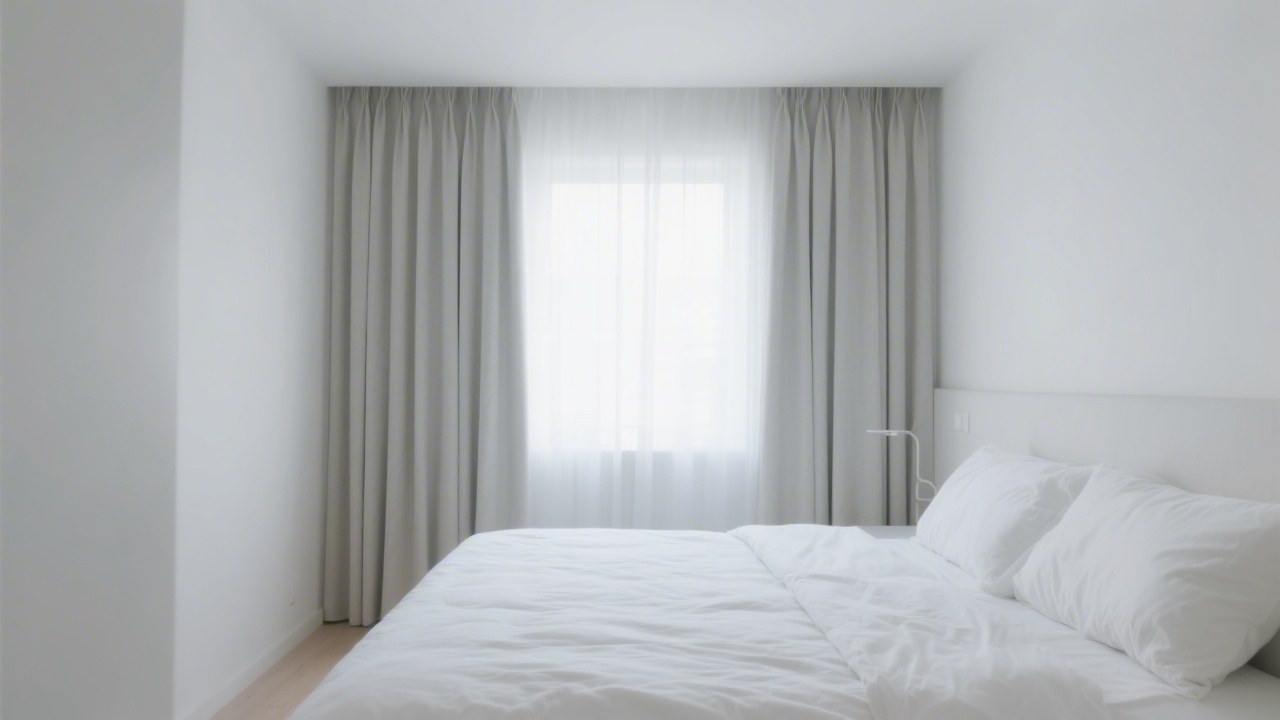
Your bedroom environment directly determines how much time you spend in deep, restorative sleep versus light, fragmented sleep. Five physical variables — temperature, light, noise, humidity, and your sleep surface — are the primary levers. Each has specific research-backed targets. Here is what the science says about each one.
1. Temperature: The Most Important Variable
Core body temperature needs to drop approximately 2 to 3 degrees Fahrenheit (1 to 2 degrees Celsius) to initiate and sustain sleep. Your bedroom temperature is the primary external driver of this process.
Target range: 65 to 68 degrees Fahrenheit (18 to 20 degrees Celsius).
Research from the National Sleep Foundation and multiple independent sleep labs consistently identifies this range as optimal for adults. Temperatures above 70F (21C) measurably reduce slow-wave sleep (the deepest, most restorative stage) and increase wake-after-sleep-onset events. Temperatures below 60F (15C) can impair sleep onset through shivering and metabolic activation.
Interventions: Programmable thermostat set to cool the room starting 30 to 60 minutes before bedtime. A fan provides both temperature regulation and consistent ambient noise (see below). Cooling mattress toppers and temperature-regulating bedding address the sleep surface microclimate independently of room temperature.
2. Light: Zero Tolerance at Night
Target: Complete darkness, ideally below 1 lux at sleep onset.
Even minimal light exposure during sleep — the glow of a standby LED, street light through thin curtains — suppresses melatonin and activates alertness pathways. A 2022 study in PNAS found that sleeping in a moderately lit room (100 lux) elevated heart rate, increased insulin resistance the following morning, and reduced the proportion of restorative sleep stages, compared to sleeping in darkness.
Interventions by evidence strength:
- Blackout curtains or blinds: highest impact, permanent solution. Curtains with thermal lining add temperature benefits.
- Sleep mask: portable and effective. Quality matters — thin fabric masks allow light around the edges.
- Cover all LED indicator lights: use black electrical tape or unplugged charging cables. Digital clock displays are common offenders.
For morning wake-up, a sunrise alarm clock that gradually increases light from zero provides circadian benefits without the sharp melatonin suppression of instant bright light.
3. Noise: Consistent Sound Over Silence
Target: Below 30 decibels for continuous noise; eliminate abrupt noise spikes above 45 decibels.
Abrupt noises cause cortical arousals — brief interruptions in sleep that degrade sleep quality even when you do not fully wake. The World Health Organization recommends outdoor noise below 40 dB at night to protect sleep. Urban environments frequently exceed this.
The counterintuitive finding from sleep research is that consistent sound is better than silence for sleep maintenance in noisy environments. White noise, pink noise, and brown noise all mask variable environmental sounds by reducing the contrast between quiet baseline and intermittent spikes. Studies show pink noise (weighted toward lower frequencies) may additionally enhance slow-wave sleep consolidation, though this finding requires replication.
Interventions: Dedicated white noise machine (highest quality audio), fan (free cooling benefit), air purifier with consistent fan noise, or a phone app. For partner snoring — the most common household noise sleep disruptor — earplugs provide direct protection.
4. Humidity: The Overlooked Variable
Target: 40 to 60 percent relative humidity.
Very low humidity (below 30%) dries mucous membranes, increasing snoring, nighttime nasal congestion, and respiratory discomfort — all of which fragment sleep. Very high humidity (above 65%) creates thermal discomfort and can promote mold growth that affects air quality.
Most homes in temperate climates stay within range naturally. Dry climates or heated winter interiors often fall below 30%. A bedroom humidifier with a built-in hygrometer costs approximately $30 to $80 and provides the most direct control over this variable. Monitoring with a separate hygrometer (under $15) is the minimum first step.
5. Sleep Surface: Your Most Direct Contact Point
Your mattress, pillow, and bedding collectively determine the microclimate and pressure environment you sleep in for 6 to 9 hours. Pressure points at hips, shoulders, and lower back cause micro-arousals — below the threshold of conscious waking but sufficient to interrupt sleep cycles and reduce time in slow-wave and REM sleep.
Three mattress variables directly affect sleep quality:
- Pressure relief: A mattress that conforms to your body's contours at the shoulders and hips reduces pressure point formation.
- Spinal alignment: A mattress that keeps your spine in neutral alignment prevents the back and neck discomfort that causes micro-arousals and conscious waking.
- Temperature neutrality: Dense foam mattresses trap heat. Innerspring and hybrid mattresses with airflow-promoting coil layers sleep cooler. This directly interacts with the room temperature variable.
We have tested over 40 mattresses and the Saatva Classic consistently performs at the top of all three metrics, particularly for temperature regulation (individually wrapped coil system promotes airflow) and back support across sleep positions. See our full Saatva Classic review for testing methodology and detailed scores.
Putting It Together
These five variables interact. A cool room compensates partially for a heat-trapping mattress. Blackout curtains reduce light without requiring a sleep mask. White noise masks a partner's movements. Addressing all five produces compounding benefits that exceed the sum of individual interventions. The order of priority based on research effect sizes: temperature first, light second, mattress third, noise fourth, humidity fifth.
Your sleep environment works in conjunction with your behavioral habits. See our sleep hygiene checklist for the complete behavioral framework and our evening routine guide for how to transition into an optimized sleep environment each night.
Ready to improve your sleep quality?
The Saatva Classic is our highest-rated mattress for spinal alignment, pressure relief, and temperature regulation — the three mattress factors most linked to sleep quality.
Affiliate disclosure: We may earn a commission if you purchase through our links, at no extra cost to you.
Frequently Asked Questions
What is the ideal bedroom temperature for sleep?
The research-supported optimal range is 65 to 68 degrees Fahrenheit (18 to 20 degrees Celsius) for most adults. Individual variation exists, and some research extends the upper end to 70F (21C) for certain populations, but the core finding — that cooler rooms improve sleep quality — is among the most consistent in sleep research.
Does white noise actually improve sleep?
White noise improves sleep in noisy environments by masking variable sounds that cause cortical arousals. It does not directly induce deeper sleep in quiet environments. The benefit is primarily about reducing acute noise events, not intrinsically enhancing sleep architecture. Pink noise may have additional slow-wave sleep benefits, but evidence is preliminary.
How dark does your bedroom need to be for sleep?
Ideally, below 1 lux — effectively complete darkness. Even dim ambient light (5-10 lux, approximately a dim nightlight) can affect sleep architecture and morning metabolic markers. Total blackout is the highest-confidence intervention. If complete darkness is not achievable, a quality sleep mask is an effective alternative.
Can a bad mattress actually affect sleep quality?
Yes, measurably. Studies comparing sleep on new versus old mattresses show improvements in sleep quality, pain reduction, and morning stress levels with a better sleep surface. The mechanism is primarily through reduced pressure points causing micro-arousals and improved spinal alignment reducing musculoskeletal discomfort during sleep.
What humidity level is best for sleep?
40 to 60 percent relative humidity is the consensus recommendation for both sleep quality and respiratory health. Below 30% causes mucous membrane dryness that increases snoring and nasal congestion. Above 65% creates thermal discomfort and may worsen allergy symptoms. A simple hygrometer provides cheap, accurate monitoring.