
 by
by Ready to upgrade your sleep surface?
A supportive, temperature-neutral mattress is one of the most evidence-backed changes you can make for sleep quality. Our top pick is the Saatva mattress — handcrafted in the US, 365-night trial, free white-glove delivery.
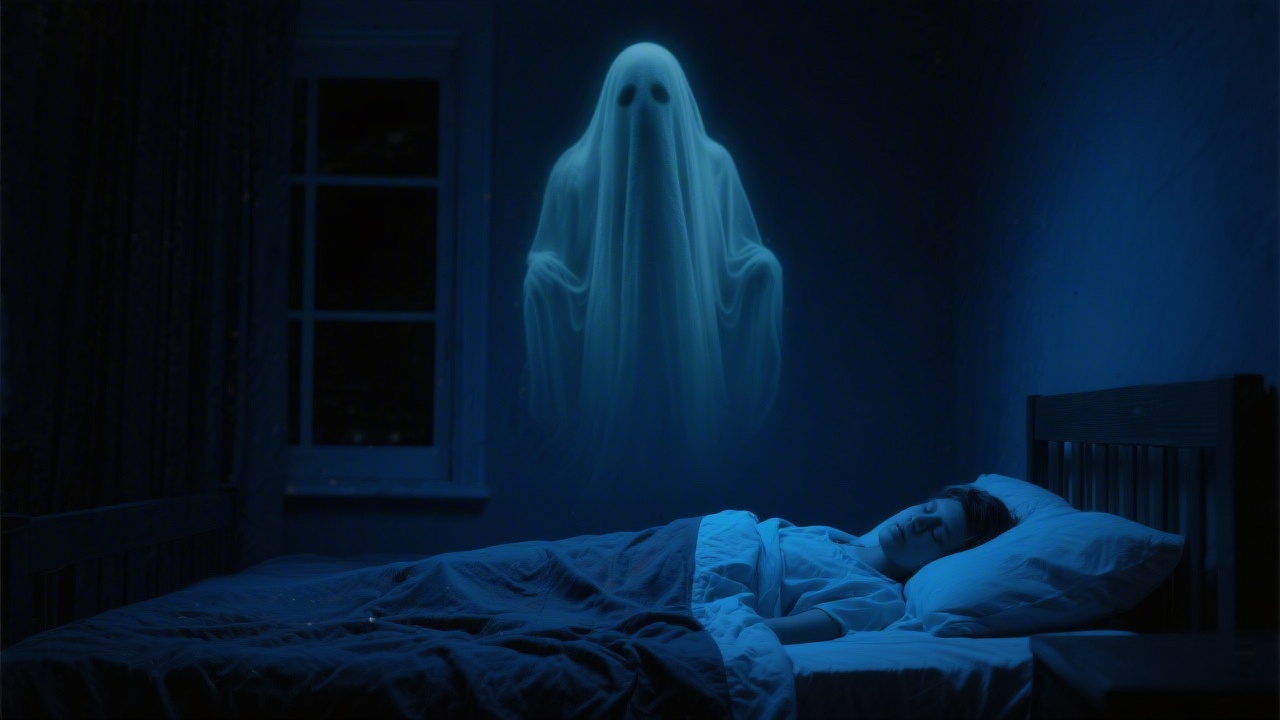
You wake up, fully conscious, but cannot move your arms or legs. A figure stands at the edge of the room. You are convinced you are awake. This is sleep paralysis — one of the most terrifying experiences in normal human sleep, and one of the most misunderstood.
The Neuroscience of Why It Happens
During REM sleep, the brainstem activates a mechanism called REM muscle atonia — it sends inhibitory signals to the spinal motor neurons, effectively paralyzing skeletal muscles. This prevents you from physically acting out your dreams. Under normal conditions, this atonia lifts as you transition from REM to waking.
Sleep paralysis occurs when this transition is incomplete. Consciousness returns — you are aware of your environment — but the motor inhibition signal persists for seconds to minutes. The brain, still partially in REM, may continue generating dream imagery, causing vivid hallucinations overlaid on waking perception. The typical episode lasts 20 seconds to 2 minutes, though it can feel much longer.
Who Gets Sleep Paralysis and Why
Isolated sleep paralysis (not associated with narcolepsy) affects an estimated 7.6% of the general population at least once, according to a meta-analysis by Sharpless and Barber. Rates are substantially higher in students (28%) and psychiatric patients (31%), likely reflecting higher rates of sleep deprivation and irregular schedules in these groups.
Identified risk factors include:
- Sleep deprivation and irregular schedules: The strongest predictor. REM rebound from short sleep increases the density and length of REM episodes, raising the probability of an incomplete transition.
- Supine sleep position: Sleeping on your back is consistently associated with higher sleep paralysis frequency in self-report studies. The mechanism is likely airway-related — minor positional apnea triggers brief arousals from REM.
- High stress and anxiety: Hyperarousal competes with the brain's ability to smoothly transition between REM and waking.
- Shift work and jet lag: Circadian misalignment disrupts the normal sleep architecture, producing abnormal REM entry and exit patterns.
The Cultural "Demon" Phenomenon
The sleep paralysis hallucination has been documented across almost every culture in human history under different names: the Old Hag in Newfoundland folklore, the Kanashibari in Japan, the Dschinn in Islamic tradition, the Phi Am in Thailand. All describe a crushing presence, the inability to move, and a sense of threat.
Neuroimaging research suggests this reflects hyperactivation of the amygdala during the hypnopompic state — the brain's threat-detection system fires at high intensity without full prefrontal cortical oversight to contextualize the experience. The consistent cross-cultural description is strong evidence that this is a fixed feature of human neurology, not learned imagery.
How to Reduce Frequency
- Eliminate sleep debt. Consistently reaching 7-9 hours is the most effective intervention. REM rebound — the proximate cause of most sleep paralysis — resolves when chronic sleep debt is cleared.
- Regularize your sleep schedule. A consistent wake time is more important than bedtime. Anchoring your circadian rhythm reduces abnormal REM entry patterns.
- Avoid supine sleeping. Side sleeping reduces sleep paralysis frequency in most affected individuals. A mattress with adequate shoulder and hip support makes side sleeping comfortable enough to maintain through the night.
- Reduce nighttime stimulants. Caffeine after 2 p.m. and alcohol within 3 hours of sleep both disrupt REM architecture and increase the probability of incomplete REM-wake transitions.
How to Exit an Episode Faster
The most evidence-supported technique is focus on micro-movements: concentrate intensely on moving a single finger or wiggling toes. Small muscle groups are not fully inhibited and can "break" the atonia cycle. Controlled breathing — deliberate slow exhales — activates the parasympathetic nervous system and often shortens episodes. Some research suggests that individuals who approach the experience with curiosity rather than panic have shorter episodes, likely because the amygdala's escalating threat response prolongs the hypnopompic state.
For a complete look at how REM sleep works and why it matters for overall health, see our guide to sleep stages.
Ready to upgrade your sleep surface?
A supportive, temperature-neutral mattress is one of the most evidence-backed changes you can make for sleep quality. Our top pick is the Saatva mattress — handcrafted in the US, 365-night trial, free white-glove delivery.
Frequently Asked Questions
Is sleep paralysis dangerous?
Sleep paralysis is not medically dangerous — you continue to breathe normally throughout. The experience is distressing but harmless. It becomes a clinical concern only if it occurs frequently (more than once per month) and is associated with cataplexy or excessive daytime sleepiness, which could indicate narcolepsy.
What causes sleep paralysis?
Sleep paralysis occurs when REM muscle atonia (the brain's mechanism for preventing you from acting out dreams) persists as consciousness returns. Triggers include sleep deprivation, irregular sleep schedules, sleeping on your back, high stress, and certain medications. It is more common in sleep-deprived individuals and shift workers.
Why do people see demons or figures during sleep paralysis?
The hallucinations during sleep paralysis are a form of hypnagogic or hypnopompic imagery — dream content that bleeds into waking consciousness while the brain is still partially in REM. The sense of a threatening presence (called an incubus in historical literature) is consistent across cultures and likely reflects the amygdala's threat detection system activating without full cortical oversight.
How do you stop sleep paralysis when it's happening?
Try moving small muscle groups first — wiggling fingers or toes can interrupt the atonia cycle. Controlled breathing (deliberate slow exhales) activates the parasympathetic system and can shorten the episode. Some people find that mentally 'leaning into' the experience rather than fighting it reduces duration and fear response.
Can a mattress affect sleep paralysis frequency?
Indirectly, yes. Sleep paralysis is more common when sleep is fragmented or when you're sleep-deprived. A mattress that disrupts sleep — through pressure points, motion transfer, or temperature — increases sleep debt and REM rebound, both of which raise sleep paralysis frequency.
Voted best luxury innerspring mattress with exceptional lumbar support and white-glove delivery.
Check Price & Availability FAQPage", "mainEntity": [ { "@type": "Question", "name": "Is sleep paralysis dangerous?", "acceptedAnswer": { "@type": "Answer", "text": "Sleep paralysis is not medically dangerous \u2014 you continue to breathe normally throughout. The experience is distressing but harmless. It becomes a clinical concern only if it occurs frequently (more than once per month) and is associated with cataplexy or excessive daytime sleepiness, which could indicate narcolepsy." } }, { "@type": "Question", "name": "What causes sleep paralysis?", "acceptedAnswer": { "@type": "Answer", "text": "Sleep paralysis occurs when REM muscle atonia (the brain's mechanism for preventing you from acting out dreams) persists as consciousness returns. Triggers include sleep deprivation, irregular sleep schedules, sleeping on your back, high stress, and certain medications. It is more common in sleep-deprived individuals and shift workers." } }, { "@type": "Question", "name": "Why do people see demons or figures during sleep paralysis?", "acceptedAnswer": { "@type": "Answer", "text": "The hallucinations during sleep paralysis are a form of hypnagogic or hypnopompic imagery \u2014 dream content that bleeds into waking consciousness while the brain is still partially in REM. The sense of a threatening presence (called an incubus in historical literature) is consistent across cultures and likely reflects the amygdala's threat detection system activating without full cortical oversight." } }, { "@type": "Question", "name": "How do you stop sleep paralysis when it's happening?", "acceptedAnswer": { "@type": "Answer", "text": "Try moving small muscle groups first \u2014 wiggling fingers or toes can interrupt the atonia cycle. Controlled breathing (deliberate slow exhales) activates the parasympathetic system and can shorten the episode. Some people find that mentally 'leaning into' the experience rather than fighting it reduces duration and fear response." } }, { "@type": "Question", "name": "Can a mattress affect sleep paralysis frequency?", "acceptedAnswer": { "@type": "Answer", "text": "Indirectly, yes. Sleep paralysis is more common when sleep is fragmented or when you're sleep-deprived. A mattress that disrupts sleep \u2014 through pressure points, motion transfer, or temperature \u2014 increases sleep debt and REM rebound, both of which raise sleep paralysis frequency." } } ] }