
 by
by 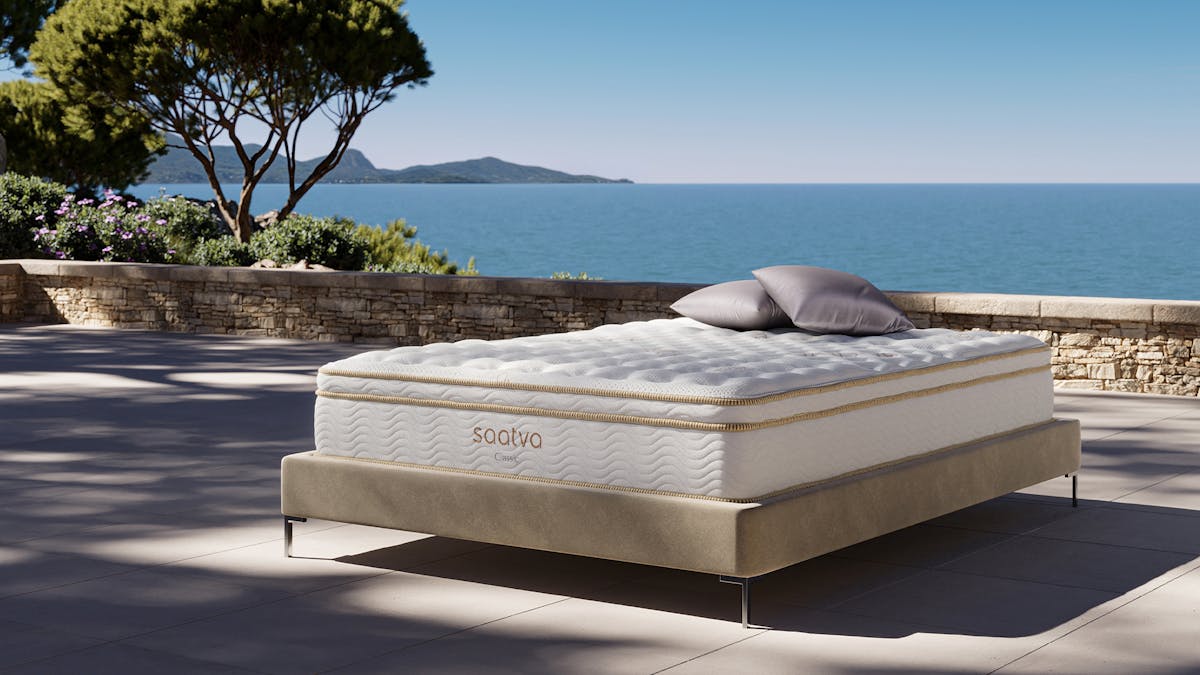
My quick verdict: The best twin XL mattress depends on where it will be used. For a dorm or lofted frame, I favor a lower-profile mattress that leaves enough guardrail clearance. For an adjustable base, I want flexible foam or pocketed coils that can bend repeatedly without fighting the base.
My overall pick is the Saatva Classic in its lower profile. Its dual-coil construction, reinforced lumbar area, firmness choices, and included delivery make it the most versatile option here. The Amerisleep AS3 is my preferred all-foam match for an adjustable bed because its Bio-Pur foam is designed to flex with the moving platform.
This is a materials and specification-based assessment. I have removed the old claim that these mattresses were personally tested for a set period. Construction details and brand policies below are attributed to the manufacturers, while comments about owner experience are identified as such.
Best Twin XL Mattresses at a Glance
My Recommended Adjustable Sleep Setup
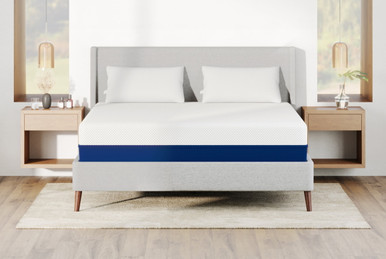
Amerisleep AS3 Twin XL, Best Plant-Based Foam Option
Amerisleep advertises a current offer of $500 off every mattress. According to the manufacturer, the AS3 uses plant-based Bio-Pur foam and includes a 100-night trial and 20-year warranty.
The construction is the important part for an adjustable base. Bio-Pur is a flexible foam, so it can follow the head and foot sections more naturally than a rigid traditional innerspring. Amerisleep lists a wireless remote, USB ports, zero-gravity positioning, and head tilt among the adjustable bed features.
Why the Saatva Classic Is My Overall Pick
The Saatva Classic remains my most versatile recommendation because it offers three firmness levels, two profiles, a dual-coil support system, and a reinforced lumbar zone. The manufacturer describes its surface as an organic cotton Euro-top and includes free White Glove delivery, in-room setup, and old-mattress removal.
Saatva lists a 365-night home trial and lifetime warranty. Those policies reduce some of the risk of ordering online, although buyers should still read the current return and pickup terms on the manufacturer’s site before purchasing.
One correction is worth making clear. An older callout on this page labeled the Amerisleep AS3 as the top pick but linked to Saatva. My verdict is Saatva Classic for the broadest range of twin XL uses, while Amerisleep AS3 is the more focused choice for an all-foam adjustable setup.
What Makes a Twin XL Different?
A twin XL mattress measures 38 inches wide by 80 inches long. It keeps the narrow width of a standard twin but adds 5 inches of length. That makes it common in US college dorms and useful for taller single sleepers.
Two twin XL mattresses can also sit side by side as part of a split-king adjustable setup. Each sleeper gets an independently moving surface, but the mattresses must be compatible with the bases beneath them.
The size has two use cases that do not always overlap. A dorm mattress needs to work safely with institutional furniture, limited floor space, and sometimes a lofted frame. A mattress for an adjustable bed needs enough flexibility to bend at the base’s articulation points without premature damage.
Twin XL Buying Considerations
Height Matters for Lofted Beds
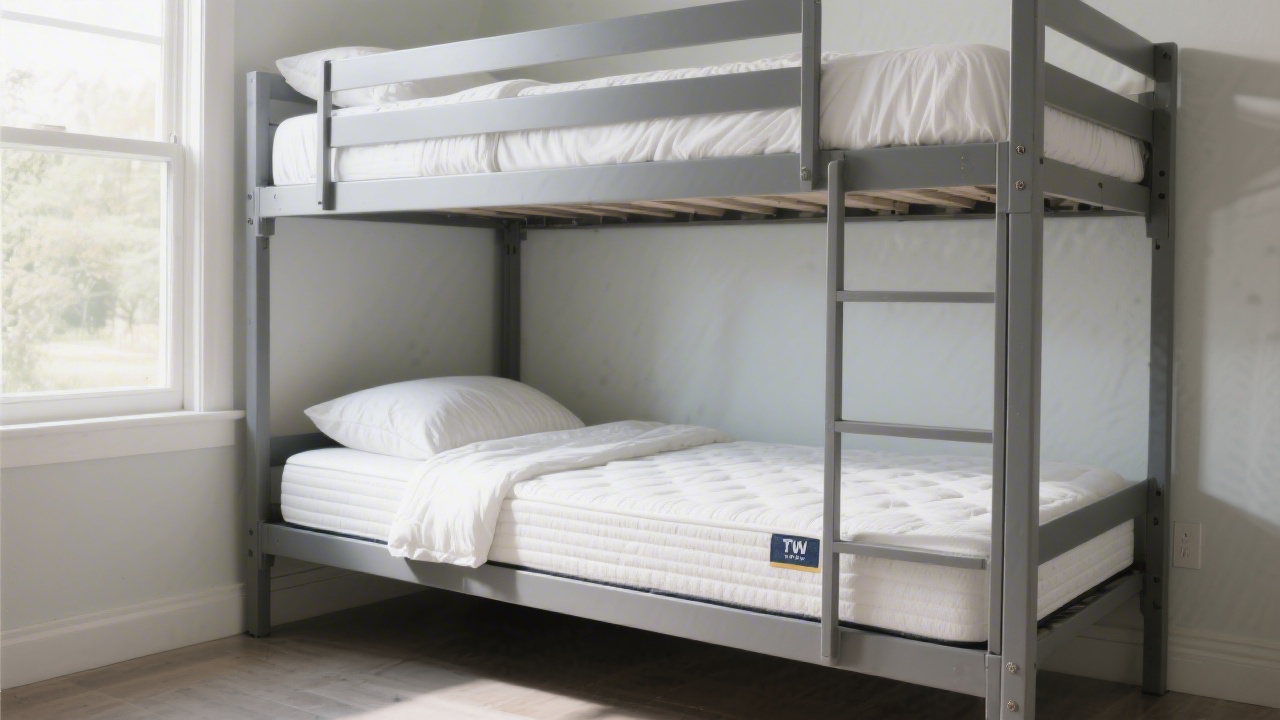
For a lofted dorm bed, mattress thickness is not just a comfort preference. It affects how much guardrail remains above the sleep surface. Many dorm loft kits and standard loft frames are intended for mattresses around 10 to 12 inches thick, while some accommodate up to 12 or 13 inches.
A 14-inch mattress raises the sleeper closer to the top of the rail and makes climbing into bed more awkward. It may also conflict with the bed maker’s mattress-height guidance. Check the school’s housing instructions and the frame label before ordering.
I would generally favor the 11.5-inch Saatva profile, the 10-inch Casper, or another mattress within the dorm’s stated limit. A thick Euro-top can feel appealing in a showroom, but usable guardrail height matters more on a loft.
Flexibility for Adjustable Bases
An adjustable mattress must bend through the base’s full range. All-foam beds usually handle that movement well. Hybrids can also work when they use individually pocketed coils, since each coil can move with less resistance than a connected innerspring unit.
Traditional interconnected innersprings are a weaker match. They resist folding and can put extra strain on the mattress border. I would also be cautious with unusually rigid perimeter foam, since repeated articulation can stress material that was not designed to flex.
Compatibility should be confirmed through the mattress manufacturer. A mattress may physically bend yet still be excluded from warranty coverage if it is placed on an unapproved foundation.
Firmness and Pressure Relief
Twin XL describes size, not feel. Side sleepers often need more surface cushioning around the shoulder and hip, while stomach sleepers usually need stronger resistance under the midsection. Back sleepers tend to land between those requirements.
Foam thickness and density matter more to durability than a plush label. A very soft surface built from thin, lower-quality foam can develop impressions sooner. Hybrids add airflow and responsiveness, but the coil system cannot rescue weak comfort layers above it.
Edge Support in a Narrow Mattress
Edge support deserves extra attention because a twin XL is only 38 inches wide. A soft border makes the usable sleep surface feel even narrower. It also matters when sitting on the side of a dorm bed to put on shoes or get down from a loft.
Reinforced coils or a stable foam perimeter usually provide a cleaner edge than soft memory foam carried all the way to the border. On an adjustable base, however, edge reinforcement also needs enough flexibility to move with the platform.
Heat and Airflow
Solid memory foam tends to hold more warmth around the body than an open coil unit. Pocketed-coil hybrids create a larger internal air cavity, while Purple’s grid construction uses open channels around its flexible material.
Cooling claims should be treated carefully. Covers and gel additives may change the initial surface feel, but the overall construction and how deeply the sleeper sinks usually have more influence on heat retention.
Twin XL Mattress Reviews
Saatva Classic Twin XL, Best Overall
Saatva offers the Classic in 11.5-inch and 14.5-inch profiles. I would choose 11.5 inches for most dorm frames because it preserves more rail clearance. The taller version makes more sense on a standard foundation where height is not a safety concern.
The manufacturer offers Plush Soft, Luxury Firm, and Firm choices. Inside, the mattress combines a tempered steel support unit with a microcoil comfort layer. That coil-on-coil design gives it a more responsive surface than a slow-sinking memory-foam bed.
The reinforced lumbar area is useful for sleepers who dislike a hammock-like feel under the waist. The stronger edge is another practical advantage in this narrow size. Saatva states that the lower profile works with adjustable bases, but buyers should confirm the current compatibility guidance for their selected firmness and base.
My caution is portability. A substantial coil mattress is less convenient to move through a dorm than a compressed foam model. The included White Glove service helps at delivery, according to Saatva, but students should think about end-of-year moving and storage too.
Amerisleep AS3 Twin XL, Best All-Foam Pick
Strengths
- HIVE 5-zone layer softens under hip and shoulder contact zones
- Plant-based Bio-Pur foam contours without slow-sinking memory-foam trap
- CertiPUR-US certified, made in the USA
Limitations
- Edge support softer than a coil hybrid
- Sleepers over 230 lb may prefer the firmer AS5 Hybrid
The AS3 uses Amerisleep’s Bio-Pur foam in its comfort system. The manufacturer positions it as a more breathable and responsive alternative to conventional memory foam. From a construction standpoint, its ability to flex and recover makes it a logical match for an articulating base.
The medium feel aims at broad appeal. It should offer more contouring than a firm coil mattress without the deepest sink associated with very soft memory foam. Amerisleep also uses HIVE zoning intended to vary support across the body.
“For couples with different support needs, the mattress has to perform across two body types simultaneously. What I look for clinically is a surface that doesn't force a tradeoff, one partner shouldn't have to sacrifice lumbar support for the other's pressure relief. The AS3's HIVE zoning and medium feel handle a wide range of body types without requiring compromise.”
That comment concerns support range rather than independent verification of durability. My materials-based reason for selecting the AS3 for an adjustable bed is simpler: a flexible all-foam core has no connected coil grid resisting repeated bends.
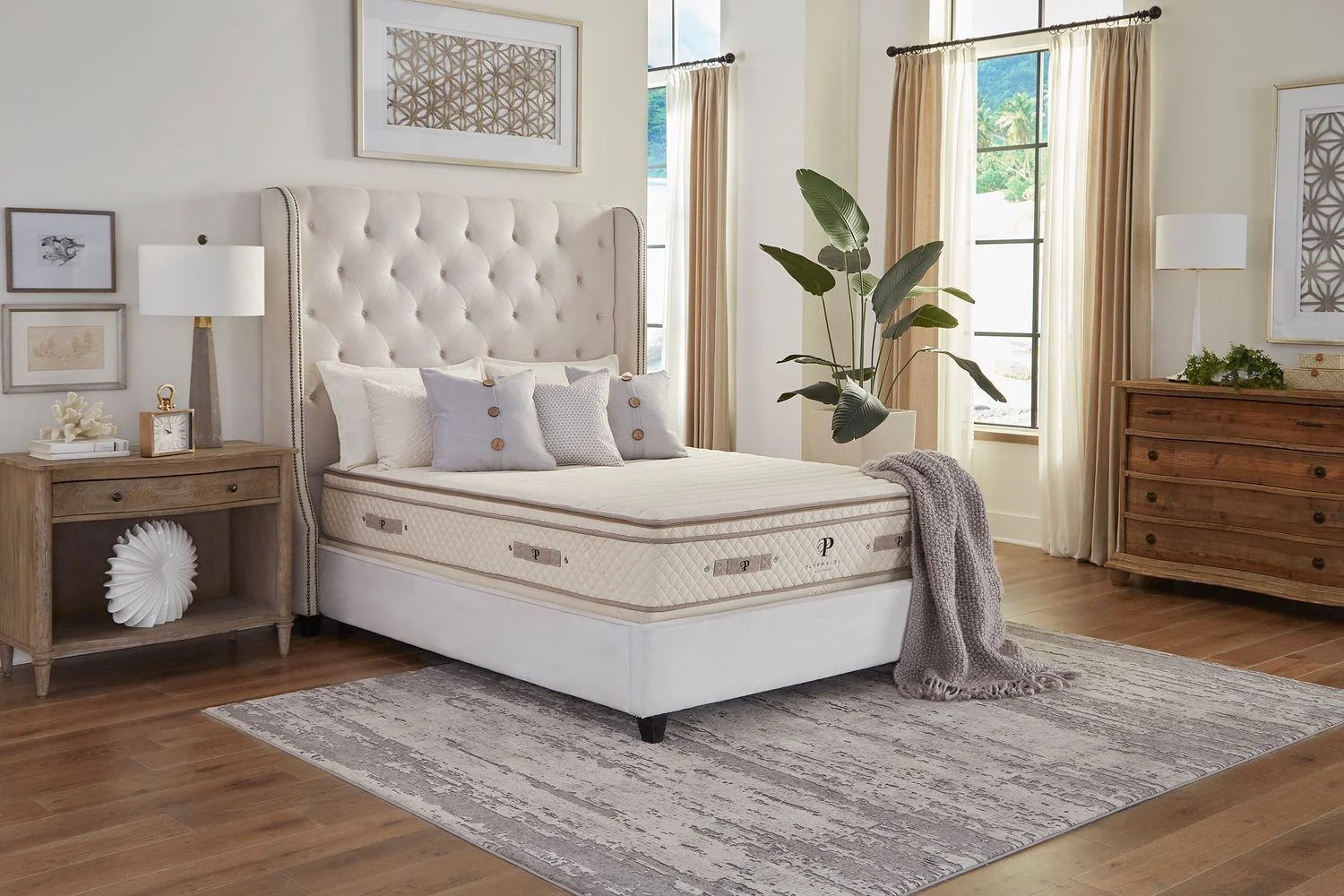
PlushBeds Botanical Bliss Twin XL, Best Organic Option
Strengths
- GOLS-certified organic latex and GOTS organic cotton
- Adjustable firmness layers (swappable at home)
- Naturally cooling and durable — handmade in the USA
Limitations
- Premium price for the organic build
- Heavier to rotate than all-foam options
The Botanical Bliss is the organic counterweight to the foam and hybrid picks above. Per the manufacturer, each layer is GOLS-certified organic latex with a GOTS-certified organic cotton cover, and the firmness can be adjusted at home by re-stacking the layers. For a twin XL that needs to last through years of nightly use — and for sleepers sensitive to synthetic foams — it is the strongest organic option in this size.
Nectar Memory Foam Twin XL, Best for Pressure Relief
Nectar describes this model as a 12-inch all-foam mattress with a 3-inch gel memory-foam comfort layer. Its advertised medium feel is around 5.5/10. That slow-moving surface should appeal most to sleepers who want noticeable contouring at the shoulders and hips.
Foam also limits motion transfer well because it does not rebound like a coil unit. Motion isolation is less important for a single dorm sleeper, but it can matter when two twin XL mattresses share a split-king frame.
Nectar lists a 365-night trial and lifetime warranty. Read the current manufacturer terms for exclusions and required support. My main reservation is heat: a thick memory-foam comfort layer can feel warmer for sleepers who sink deeply into it.
DreamCloud Twin XL, Best Mid-Range Hybrid
DreamCloud uses a 12-inch hybrid construction with pocketed coils beneath foam comfort layers. The individually wrapped coils provide more bounce and airflow than a solid foam core while remaining more adjustable-base-friendly than a traditional connected innerspring.
The medium-firm feel and quicker response should suit combination sleepers who change position and do not want to climb out of a deep foam impression. The manufacturer lists a 365-night trial and lifetime warranty.
As with any hybrid, long-term comfort depends heavily on the foam above the coils. The spring unit supplies support and responsiveness, but wear normally becomes noticeable first in the upper cushioning layers.
Purple Restore Twin XL, Best for Hot Sleepers
The Purple Restore uses the brand’s flexible grid-style comfort material above its support system. Its open structure creates more room for air to move than a solid slab of memory foam. That construction is the reason it earns my cooling slot, not a vague cooling-cover claim.
The grid also compresses under concentrated pressure while remaining firmer across areas with less load. The sensation is distinctive and more buoyant than traditional foam. Some sleepers like that immediate response, while others prefer the slower contour of memory foam.
Purple states that the Restore works with compatible adjustable bases. It sits at the more expensive end of this group, so the unusual grid feel should be something the buyer specifically wants rather than an incidental feature.
Casper Element Twin XL, Best Value Entry Point
The Casper Element is a 10-inch all-foam mattress with a medium feel. That profile is useful for many dorm frames because it leaves more guardrail exposed than a thick pillow-top model.
Casper lists a 100-night trial. The straightforward foam build also makes the mattress easier to handle than a heavy dual-coil bed. It is adequate for dorms, guest rooms, and shorter-term use where price and convenience matter most.
I would not make it my first choice for demanding long-term use or frequent adjustable-base articulation. Simpler foam builds generally have less material available to resist softening, especially around the hips and the edge.
Bear Original Twin XL, Best for Active Sleepers
The Bear Original is a memory-foam mattress with a responsive medium-firm feel. Bear markets its Celliant-infused cover toward athletic recovery. That recovery language is the manufacturer’s positioning, not a medical conclusion from MattressNut.
Its all-foam construction is compatible with adjustable bases according to Bear, and the quicker response should make position changes easier than on very slow memory foam. The manufacturer lists a 120-night trial.
I would choose it for sleepers who want foam pressure relief without an especially plush, enveloping surface. As always, inspect the current warranty requirements for the frame or base used underneath it.
Zinus 12-Inch Green Tea Twin XL, Best Ultra-Budget Option
The Zinus Green Tea is a 12-inch foam mattress aimed at budget-conscious buyers. It can make sense for an occasional guest room or a temporary dorm arrangement where the lowest initial cost drives the decision.
The tradeoff is material longevity. Lower-cost foam mattresses often use simpler comfort systems with less resistance to softening. Owner feedback in verified retail reviews should be checked for recurring reports of uneven expansion, impressions, or edge collapse.
I would not treat this as the strongest primary mattress for years of nightly use. It is the compromise option in this list, not a durability winner.
Recommendations by Use Case
For a College Dorm with a Lofted Bed
My first choice is the 11.5-inch Saatva Classic if the dorm frame permits that thickness. It combines a stable edge with a responsive coil design and avoids pushing the sleep surface as high as the 14.5-inch profile.
The 10-inch Casper Element is the simpler option when easy handling and a lower profile matter more than premium construction. Nectar’s 12-inch height may also fit, but only if the school and frame manufacturer permit it.
For a Single Adjustable Base
I favor the Amerisleep AS3 for a dedicated all-foam adjustable setup. The material can follow repeated changes in angle, while its medium feel is less specialized than an unusually soft or firm mattress.
The Nectar is another flexible foam option for sleepers who want deeper pressure relief. DreamCloud makes more sense for someone who prefers pocketed-coil response and airflow. Confirm base compatibility directly with the manufacturer before ordering.
For a Split-King Adjustable Setup
A split king uses two twin XL mattresses side by side. The arrangement lets each person adjust the head and foot independently. Matching mattresses create a more even center seam, while different models can produce noticeable differences in height and edge compression.
For a Guest Room
The DreamCloud is my preference for guests who stay regularly because its hybrid build offers a familiar mix of cushioning and bounce. The Zinus is the budget-end choice for occasional use, with the understanding that its foam construction is not my durability pick.
For a Tall Single Sleeper
The 80-inch length gives a twin XL 5 additional inches over a standard twin. It offers the same sleeping length as a king while occupying much less floor space. Width remains the limitation, so active sleepers who spread out may be happier on a full or queen if the room allows.
Current Twin XL Deal and Policy Notes
Saatva lists the Classic in every standard size and advertises zoned lumbar support, a 365-night home trial, lifetime warranty, free White Glove delivery, and old-mattress removal. These are manufacturer policies and can change, so verify the live terms before checkout.
Saatva Classic, Twin XL
The Amerisleep AS3 remains my preferred foam pairing for an adjustable base, but the live Saatva links on this page lead to the Saatva Classic. Keeping that distinction clear is more useful than mixing the product names in a promotional box.
Related Mattress Guides
- Best Mattresses 2026, Our Full Rankings
- Saatva Classic Review, Detailed Analysis
- Best Mattress for Back Pain
- Best Cooling Mattress 2026
More Mattress Picks by Category
- Best Mattress 2026, Definitive Rankings
- Best Cooling Mattress
- Best Mattress for Back Pain
- Best for Side Sleepers
- Best Mattress for Couples
Frequently Asked Questions About Twin XL Mattresses
What size is a twin XL mattress?
A twin XL mattress is 38 inches wide by 80 inches long. It has the same width as a standard twin but adds 5 inches of length. That extra room makes it a common size for college dorm beds, tall single sleepers, and adjustable bases.
Who is a twin XL mattress for?
It is mainly for one sleeper who needs more legroom than a standard twin provides. It also works well in narrow bedrooms, dorms, and split-king adjustable arrangements. It is not designed to give one sleeper much room to spread sideways.
Is twin XL big enough for a tall adult?
Its 80-inch length fits many adults up to about 6 feet 2 inches comfortably. The earlier version of this page also described it as accommodating sleepers up to about 6 feet 4 inches, but pillow thickness, sleeping posture, and desired clearance affect the practical fit. Very tall sleepers should compare it with a California king or custom-long mattress.
Can you use a twin XL on an adjustable base?
Yes. Twin XL is a standard size for a single adjustable base. Foam and pocketed-coil hybrids are generally the safest construction types for articulation, but the mattress maker should explicitly approve adjustable-base use.
How does a split king use twin XL mattresses?
A split king places two twin XL mattresses next to each other. On a split adjustable base, each side can move independently. The combined sleeping area has king-size dimensions, although there is a seam down the center.
What mattress height is best for a lofted dorm bed?
A mattress around 10 to 12 inches tall is a practical target for many lofted dorm beds. Some frames permit 12 to 13 inches, but the school or frame manufacturer’s limit takes priority. Mattresses around 13 to 14 inches or more may leave too little guardrail above the surface.
Is a twin XL the same as a full mattress?
No. A twin XL measures 38 by 80 inches, while a full measures 54 by 75 inches. The full is 16 inches wider, but the twin XL is 5 inches longer. Twin XL favors length and floor-space efficiency; full favors extra width.
Will standard twin sheets fit a twin XL?
Standard twin fitted sheets are generally too short because the twin XL adds 5 inches of length. Use bedding labeled twin XL, especially for a deep mattress where the fitted corners already have less spare fabric.
Can a twin XL mattress fit a standard twin frame?
Usually not. The twin XL is 5 inches longer, so a standard twin frame or enclosed bedstead may not support it correctly. Use a foundation or frame specifically rated for twin XL dimensions and for the mattress type.
Do all mattress brands sell twin XL?
Most major online mattress brands offer the size, but availability varies by model. Saatva, Nectar, DreamCloud, Purple, and Casper list twin XL options. Verify the selected model and profile before ordering rather than assuming every mattress from the brand is available in this size.
Which twin XL construction lasts longest?
There is no automatic winner based only on foam versus hybrid. Durable comfort foam, stable edge construction, and a properly supported base matter most. Pocketed coils can provide a sturdy support unit, but weak foam above them can still soften. A foam mattress can also hold up well when its layers are appropriately specified and supported.
What should I check before buying for a dorm?
Confirm the exact bed size, maximum mattress height, guardrail clearance, foundation type, and move-in rules with the school. Also consider how the mattress will be removed or stored after the term. A comfortable mattress that violates the loft-frame guidance is not a good dorm purchase.
What is The Nut’s final twin XL verdict?
Choose the lower-profile Saatva Classic for the broadest mix of support, edge stability, and dorm practicality. Choose the Amerisleep AS3 when the main job is bending reliably on an adjustable base. Nectar is the pressure-relief option, DreamCloud provides hybrid response, and Casper or Zinus cover more temporary and budget-driven uses.