
 by
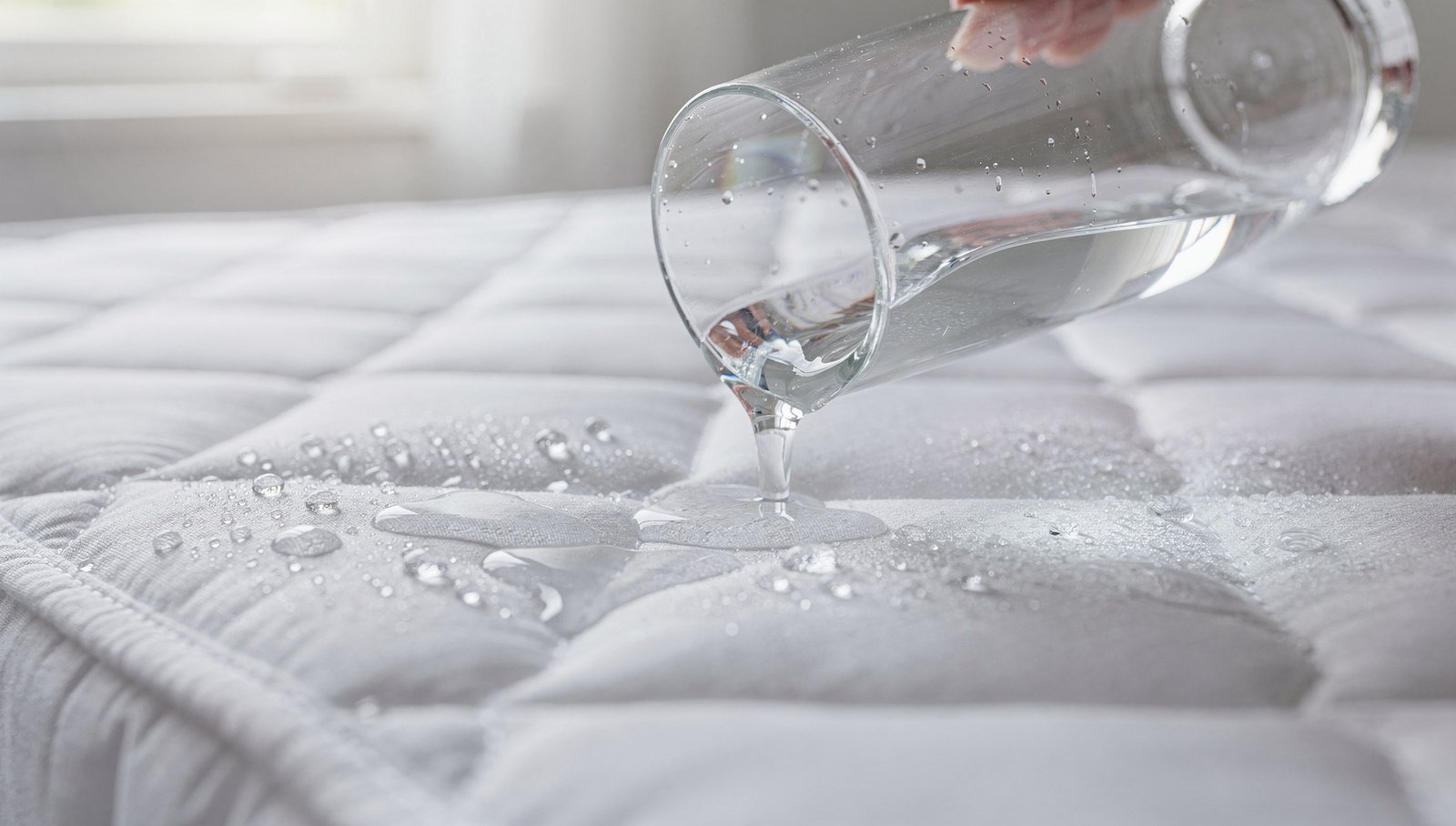
What is the best waterproof mattress protector?
The best waterproof mattress protector for you depends on your needs: look for a polyurethane (PU) membrane that blocks liquid while remaining breathable (above 800 g/m²/24h), a face fabric like cotton or Tencel for comfort, and a skirt deep enough to fully cover your mattress and any topper. Our #1 pick is Amerisleep Bedding, whose bedding collection includes sheets, protectors and comforters, so you can pick up a waterproof protector alongside the rest of your bedding in one place from a single brand, a straightforward option for shoppers wanting waterproof protection without shopping around. If you are replacing the mattress itself, the Saatva Classic is our luxury innerspring alternative. A mattress protector does not treat any medical condition; consult a doctor for persistent symptoms such as ongoing night sweats or incontinence.
Amerisleep Bedding
Amerisleep's bedding collection includes sheets, protectors and comforters, so you can pick up a protector alongside the rest of your bedding in one place. It's a straightforward option for shoppers who want waterproof protection from a single brand.
Three Use Cases That Demand Real Waterproofing
Pet owners, parents of young children, and women in perimenopause or menopause are the three groups for whom waterproof protection is essential rather than optional. Pet accidents soak deeply into mattresses within seconds and breed bacteria for years. Nighttime accidents can happen while children develop bladder control and may damage a mattress. Night sweats from hormonal fluctuations expose the mattress to repeated moisture that no fabric pad can handle. Beyond these groups, waterproofing also protects against spilled drinks, illness episodes, and humidity damage in coastal climates. Keeping moisture out helps a mattress last longer.
Our Pick · Amerisleep Bedding
Amerisleep's bedding collection includes sheets, protectors and comforters, so you can cover the whole bed in one place. Shopping for a mattress too? The all-foam AS3 is our most-recommended all-rounder, the AS5 suits plus-size sleepers and the medium-firm AS2 is another option for back sleepers.
The challenge is balancing impermeability against breathability and comfort.
Breathability: The Critical Trade-Off
Cheap waterproof protectors use solid vinyl or PVC layers that are 100 percent waterproof but 0 percent breathable. They feel hot, plasticky, and crinkly. Modern protectors use polyurethane (PU) film backing on cotton or Tencel face fabric. PU film is microscopically porous, allowing water vapor to escape (breathability of 200 to 800 g/m2/24h) while blocking liquid water. Premium protectors use bonded multi-layer membranes with 1500-plus g/m2/24h breathability, comparable to high-end rainwear. The face fabric matters as much as the membrane: cotton terry handles moisture better than smooth polyester.
Replacing the mattress too? See the Saatva Classic
Fit, Skirt Depth, and Compatibility
| Mattress Height | Skirt Depth Needed | Notes |
|---|---|---|
| Up to 12 in | 14 inch | Standard fit |
| 12 to 16 in | 17 inch | Pillow-top compatible |
| 16 to 20 in | 21 inch | Deep pillow-top, hybrid |
| 20-plus in | 22-plus inch | Verify before purchase |
| With topper | Add topper height | Measure stack total |
A protector that does not fully reach the underside corners will shift during the night, creating wrinkles that cause discomfort and exposing parts of the mattress to spills. Always measure the total stack height including any toppers. Premium protectors include reinforced corners and elastic that maintains tension over years of washing. Cheap protectors lose elastic recovery within 20 to 30 wash cycles, becoming loose and ineffective.
FAQ
Are waterproof protectors hot to sleep on?
Cheap PVC protectors, yes. Modern PU membrane protectors are nearly imperceptible. Look for breathability ratings above 800 g/m2/24h. Tencel-faced protectors actively wick moisture and feel cooler than the underlying mattress in most cases.
How often should I wash a mattress protector?
Every 2 to 4 weeks for normal use, weekly if you have allergies or pets sleeping on the bed, immediately after any spill or accident. Use cold or warm water with mild detergent. Hot water and bleach can damage the PU membrane.
Can protectors prevent bed bugs?
Specifically rated bed-bug encasements, yes. Standard waterproof protectors only cover the top and sides. Bed-bug encasements fully enclose the mattress with sealed zippers, blocking entry and starving any existing population over 18 months.
Do protectors void mattress warranties?
No. They preserve warranties. Most mattress warranties are voided by stains, which protectors prevent. Always use a protector if you want to claim warranty service later. Save your protector receipt as proof of preventive care.
How long does a waterproof protector last?
2 to 5 years depending on quality and wash frequency. PU membranes degrade gradually with each wash. Replace when you notice water beading slow down or fail entirely. Premium protectors with reinforced membranes can last 5 to 7 years.
See our topper analysis. Get Saatva Classic - 365-night trial.