
 by
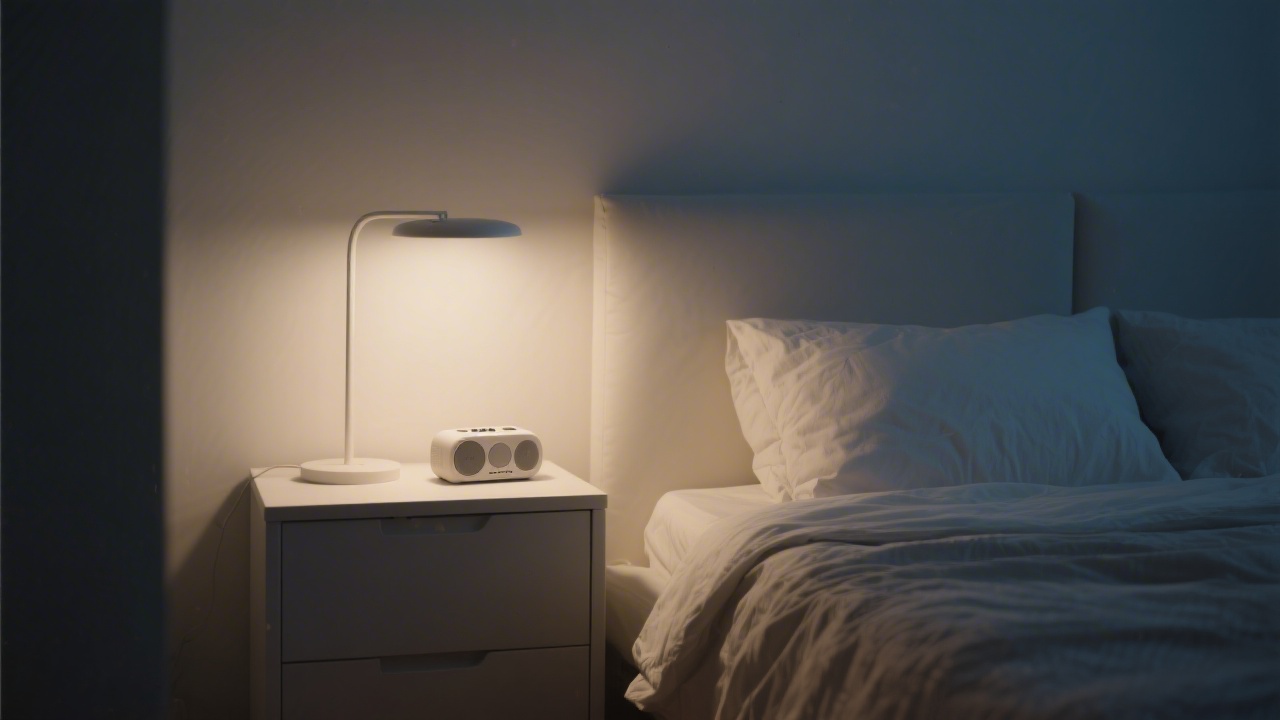
by White noise works for sleep - but not the way most people think. It doesn't sedate you. It creates a consistent audio background that masks sudden sound changes, which are the real sleep disruptors. The science is solid, the caveats are real, and the choice between white, pink, and brown noise matters more than most guides admit.
While you optimize your sound environment, optimize your sleep surface too: Saatva Classic - a luxury hybrid mattress that reduces pressure and supports deep sleep from the ground up.
How White Noise Actually Works
The brain doesn't stay asleep when it hears sound per se - it wakes up when it detects changes in sound. A sudden noise at 3 AM (a car, a door, a partner's cough) triggers an orienting response that pulls you out of slow-wave sleep. White noise prevents this by creating a consistent audio masking layer: when all frequencies are present simultaneously at similar volumes, sudden sounds are absorbed into the background rather than detected as contrast.
A 2021 meta-analysis in Sleep Medicine Reviews found that white noise significantly reduced sleep onset latency and improved sleep quality in noisy environments - particularly in hospital settings and urban apartments. The benefit was strongest for people with sleep disorders exacerbated by noise.
White noise is also used in infant sleep management, ADHD focus protocols, and tinnitus masking - all applications based on the same contrast-reduction mechanism.
White vs Pink vs Brown Noise: Which Is Best for Sleep?
Not all noise colors are equal, and subjective preference matters:
- White noise: Equal energy across all frequencies. High-frequency content makes it sound "hissy." Highly effective at masking but some find it harsh for extended use.
- Pink noise: Higher energy at lower frequencies, producing a more balanced, natural sound. Research suggests pink noise may enhance slow-wave sleep and memory consolidation. A 2017 study in Frontiers in Human Neuroscience found pink noise synchronized with slow brain waves improved deep sleep quality in older adults.
- Brown noise (brownian/red noise): Even more bass-heavy than pink - sounds like a low rumble or distant thunder. Many people find it the most relaxing and easiest to sleep to, though less research exists specifically on brown noise vs sleep.
- Nature sounds (rain, ocean): Technically pink-noise-adjacent spectrally, with additional psychological benefits from familiarity and association with calm. Effective for many people who find pure noise colors too artificial.
How to Use White Noise Effectively
Volume is critical. White noise should be at or below 65 dB - roughly the level of a normal conversation, or a running shower at distance. Louder than this risks hearing damage with extended nightly use (especially for infants). The American Academy of Pediatrics recommends keeping infant white noise machines at least 7 feet from the crib.
For optimal sleep masking:
- Place the speaker centrally in the room, not directly next to your ear
- Use continuous play (not looped tracks with breaks - the silence gap becomes an auditory cue)
- Volume should make normal conversation muffled but still audible - not obliterate all sound
- Pair with sleep onset techniques for maximum effect
White Noise Options Compared
| Option | Sound Quality | Noise Colors Available | Best For | Approx. Cost |
|---|---|---|---|---|
| Dedicated white noise machine (Marpac Dohm) | Mechanical fan sound, very natural | White (fan) | Adults, consistent use | $50–80 |
| LectroFan | Electronic, highly adjustable | White, pink, brown, fan | Versatile, all preferences | $50–70 |
| Smart speaker (Alexa/Google) | Adequate for most uses | All colors + nature sounds | Budget/convenience | Free (with device) |
| Smartphone app (Calm, Headspace) | Good with quality speaker | All colors + selected | Travel, flexibility | $0–15/mo |
| Box fan | Natural mechanical sound | White (fan) | Budget, also cools room | $20–40 |
| Sleep headphones | Highest audio quality | All colors via app | Light sleepers, partners with different preferences | $50–200 |
Verdict
White noise works - particularly in noisy environments and for people who are sensitive to sudden sounds. Pink noise may offer additional slow-wave sleep benefits, and brown noise is preferred by many for its warmth. The best choice is the one you find subjectively comfortable for extended nightly use. Sound masking is one layer of sleep optimization; the other is your sleep surface. A pressure-relieving, temperature-neutral mattress like the Saatva Classic eliminates the physical discomfort that audio masking can't fix.
Frequently Asked Questions
Is it safe to use white noise every night?
Yes, at appropriate volumes (below 65 dB). Extended use at loud volumes can risk hearing sensitivity over time. Keep the volume at the level of soft rain - audible but not intrusive.
Does white noise help with tinnitus?
White noise is a standard tinnitus management tool. It masks the internal ringing by providing an external sound floor, reducing the perceived contrast that makes tinnitus noticeable at night.
Can white noise be bad for babies?
At proper volumes (below 65 dB, machine at least 7 feet from crib), white noise is safe for infants and is widely used in pediatric sleep protocols. The concern is excessively loud machines placed directly adjacent to the baby's head.
What's the difference between white and pink noise?
White noise has equal energy across all frequencies and sounds "hissy." Pink noise emphasizes lower frequencies for a more balanced, natural sound. Both mask disruptive sounds effectively; pink noise may additionally enhance slow-wave sleep depth.
Does white noise help you fall asleep or stay asleep?
Both. It reduces sleep onset latency by creating a calm audio environment, and it reduces nighttime awakenings by masking disruptive sound changes throughout the night.