
 by
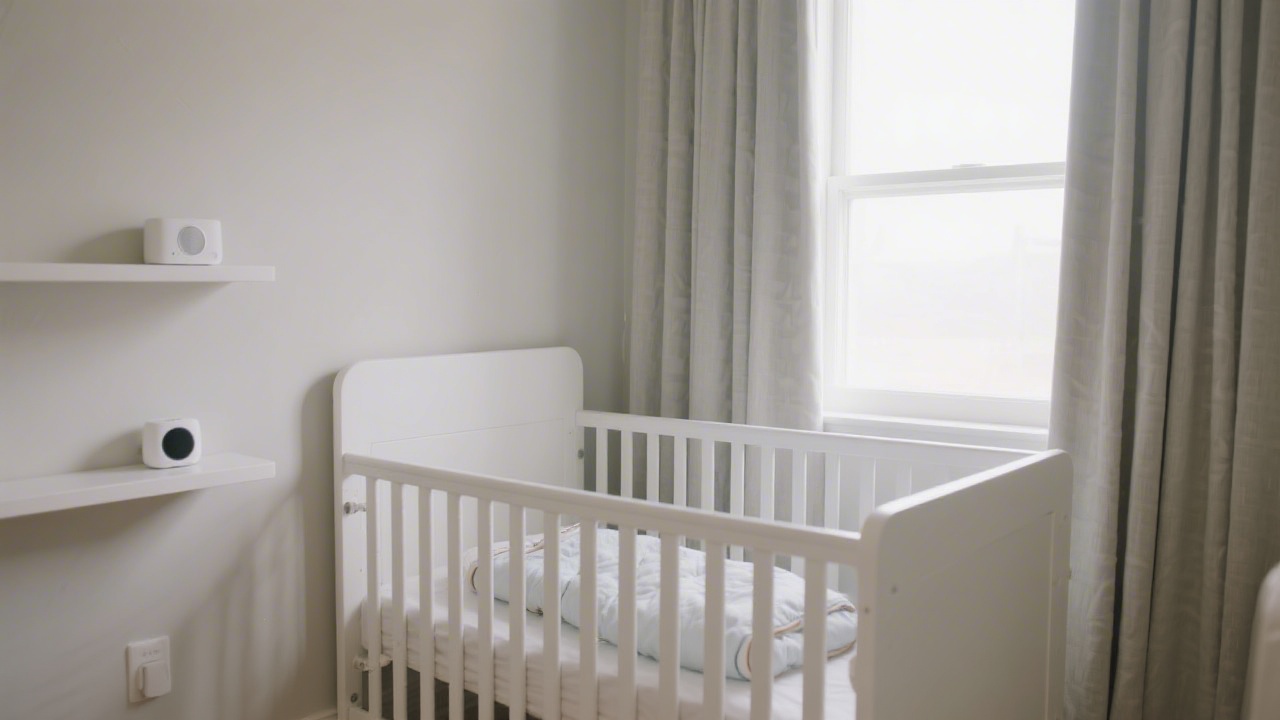
by The global baby sleep product market generates over $4 billion annually. The vast majority of that spending is on items that provide no documented benefit and some that introduce genuine risk. This guide covers the five products that have clear evidence or strong pediatric consensus behind them, and identifies what you can confidently skip.
Our Recommendation
Saatva Youth — dual-sided crib-to-big-kid mattress designed for safety
Affiliate disclosure: We may earn a commission if you purchase through our links at no extra cost to you.
The 5 Baby Sleep Products Worth Buying
1. Firm Crib Mattress (Non-Negotiable)
The American Academy of Pediatrics identifies a firm, flat sleep surface as the single highest-leverage factor in infant sleep safety. A firm mattress prevents the facial depression that allows carbon dioxide to accumulate around a sleeping infant's nose and mouth, which is the primary mechanism in positional asphyxia.
What to look for: CPSC-compliant dimensions (52 x 28 inches for standard cribs), firmness that does not deform when pressed with an open palm, a waterproof cover to manage the 3 to 4 accidents per week typical in the first year, and fit that leaves less than two finger widths of gap between the mattress edge and the crib frame on all sides. The gap threshold matters because infant arms and legs get trapped in wider gaps.
Dual-sided mattresses with a firm infant side (0 to 12 months) and a slightly softer toddler side (12 months to 5 years) eliminate a repurchase when the child transitions out of the crib stage.
2. Sleep Sack (Wearable Blanket)
Loose blankets are prohibited in infant sleep environments under AAP safe sleep guidelines. A sleep sack replaces the blanket function in a form factor that cannot migrate over the infant's face. Once the child reaches 2 months and begins showing signs of rolling, stop using a swaddle-style sleep sack that constrains arm movement.
Sizing: sleep sacks should allow leg movement but not be loose enough to allow the child to pull the sack over their face. TOG ratings guide warmth: 0.5 for 75 degrees Fahrenheit and above, 1.0 for 68 to 75 degrees, 2.5 for below 68 degrees.
3. White Noise Machine
Newborns spent 9 months in an environment measuring 80 to 85 dB (louder than a vacuum cleaner). The sudden quiet of a suburban bedroom is foreign to them. White noise masks startling household sounds that trigger the Moro reflex (the full-body startle that wakes light sleepers), and matches the intrauterine sound environment that the infant's nervous system was calibrated for.
Set volume at the child's ear level, not exceeding 50 dB (quiet conversation level). Louder is not more effective and introduces noise exposure risk over cumulative months of use. Machines with auto-shutoff after 30 to 60 minutes are adequate for sleep onset. Continuous play is more effective for maintaining sleep through household noise.
4. Blackout Curtains
Infant circadian rhythms are not fully developed at birth. Melatonin production is light-sensitive, and blue-spectrum light from windows, even during early morning hours, suppresses melatonin and triggers arousal. Blackout curtains in the nursery typically extend morning sleep 30 to 60 minutes by blocking the light signal that would otherwise trigger waking.
Look for curtains rated 99% or 100% light-blocking. Thermal backing adds insulation that buffers temperature fluctuations, reducing a secondary arousal trigger in rooms that heat quickly in morning sunlight.
5. Video Baby Monitor
A video monitor eliminates the need to enter the room to check on the infant during the night or during naps, which frequently causes the parent's presence to re-trigger waking. Motion-triggered recording and temperature sensors reduce nighttime checks without increasing safety risk. Audio-only monitors remain adequate but require experienced interpretation of breathing sounds.
Note: breathing sensor mats and wearable pulse oximeters marketed for home use with healthy infants are not recommended by the AAP or FDA. They have high false-positive rates, trigger parental anxiety, and have not been shown to reduce SIDS risk in healthy infants.
What to Skip
Crib bumpers: Banned in multiple US states after documented suffocation deaths. No safety benefit. Do not use.
Inclined sleepers and rockers: The Fisher-Price Rock 'n Play and similar products were recalled following dozens of infant deaths. CPSC now prohibits inclined infant sleep products that exceed a 10-degree angle.
Positioners and wedges: No peer-reviewed evidence of benefit; documented harm. CPSC advises against all sleep positioners for infants.
Smart bassinets: The motion-soothing function is a convenience item, not a safety or sleep improvement product. Useful for some parents, not necessary.
Frequently Asked Questions
What is the most important baby sleep product?
A firm, flat crib mattress that meets CPSC safety standards is the single most important baby sleep product. The AAP guidelines specify that soft mattresses increase SIDS risk because they allow carbon dioxide to pool around the infant's face. Firmness rating, size fit to the crib frame (less than 2 finger widths of gap), and waterproof cover are the three criteria to check.
Are sleep sacks safe for newborns?
Yes. Sleep sacks (wearable blankets) are endorsed by the AAP as a safe alternative to loose blankets, which are prohibited in infant sleep environments due to suffocation risk. Use a TOG rating of 0.5 for warm rooms, 1.0 for moderate temperatures, and 2.5 for cool rooms.
Do babies really need a white noise machine?
White noise is not required but is supported by research. A 1990 study in Archives of Disease in Childhood found that 80% of newborns fell asleep within 5 minutes when exposed to white noise, compared to 25% without. White noise masks household sounds that trigger startle responses. Limit volume to 50 dB at the child's ear level.
What baby sleep products should I skip?
Skip: bumper pads (suffocation risk, banned in multiple states), positioners and wedges (not proven safe by CPSC), inclined sleepers (recalled after infant deaths), baby monitors with breathing sensors for healthy infants (high false-positive rate creates parental anxiety without evidence of benefit), and swaddle blankets after 2 months when rolling begins.
When should I transition from a crib mattress to a toddler mattress?
Transition when the child reaches 35 inches tall, when they climb out of the crib repeatedly, or at approximately 18 months to 3 years. A dual-sided mattress rated for both infant and toddler use eliminates the need for a separate purchase and provides the correct firmness for each developmental stage.
Key Takeaways
Essential Baby Sleep Products is a topic that depends heavily on individual needs and preferences. The most important thing is to consider your specific situation — your body type, sleep position, and personal comfort preferences — before making any decisions. When in doubt, take advantage of trial periods to test before committing.