
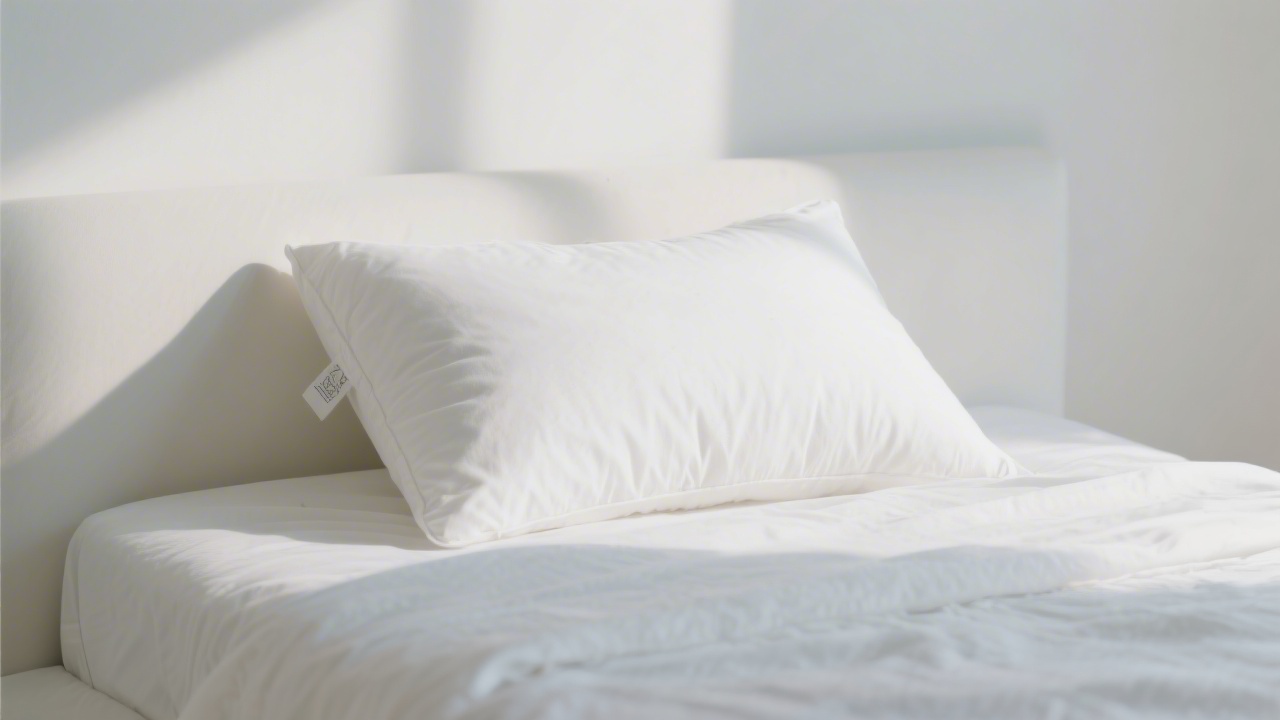
 by
by Our Top Pick: Saatva Pillow (Hypoallergenic Construction)
MattressNut readers get exclusive savings — click to see current pricing.
Dust mites are the primary allergen source in pillows, not the pillow material itself. A standard synthetic pillow harbors 100,000 to 10 million dust mites after one year of use. Hypoallergenic pillows use materials that resist mite colonization, combined with tightly woven shells that prevent penetration.
Why Your Current Pillow May Be Causing Symptoms
Morning congestion, sneezing, or itchy eyes that improve when away from home are classic dust mite allergy signs. Mites thrive in warm, humid environments — exactly what a pillow provides. Most people replace pillows every 5 to 7 years; by year 2, a standard pillow is 10% dead mites and their waste by weight.
Related: Best Pillows 2026 | Best Goose Down Pillows 2026
Best Hypoallergenic Fill Materials (Ranked)
1. Natural latex (Dunlop): Inherently antimicrobial, dust mite resistant, mold resistant. No off-gassing after curing. Best long-term allergen performance.
2. Buckwheat hulls: Completely inorganic fill — no food source for dust mites. Excellent airflow. Heavier than foam, firm feel. Washable shells only.
3. Kapok fiber: Natural plant fiber, naturally mold resistant, softer than buckwheat. Compresses over time.
4. Down alternative (polyester microfiber): Machine washable, holds fill well, but less inherently resistant than latex — the ease of washing compensates.
5. Gel fiber: Similar to polyester but with better heat dissipation. Adequate allergen performance with frequent washing.
6. Memory foam: Retains heat, less resistant to mites than latex. CertiPUR-US certification ensures no harmful chemical off-gassing, but does not address mite resistance.
7. Feather: Lowest hypoallergenic performance. Quill shafts can puncture and release proteins that trigger reactions. Avoid for allergy sufferers.
7 Best Hypoallergenic Pillows (2026)
1. Saatva Pillow: Down alternative insert with an organic cotton shell, OEKO-TEX certified, machine washable inner.
2. Avocado Green Pillow: GOLS-certified organic latex, tufted cotton shell, adjustable fill.
3. Coop Home Goods Eden: Shredded memory foam + microfiber, machine washable, CertiPUR-US.
4. PlushBeds Latex Pillow: Solid Talalay latex, OEKO-TEX certified, firm support.
5. Beckham Hotel Collection: Budget polyester fill, machine washable, best under $30.
6. Nest Bedding Easy Breather: Shredded latex + polyester, adjustable loft, OEKO-TEX.
7. Sleep Number ComfortFit Pillow: Down alternative, washable, available in three heights.
Related: Best Hypoallergenic Mattresses
Pillow Protectors: The Non-Negotiable Layer
Even the best hypoallergenic pillow benefits from an allergen-barrier protector. Look for a pore size under 6 microns (dust mite bodies measure 200 to 300 microns, but their waste particles are as small as 10 microns). Wash the protector every 3 to 4 weeks in hot water (130 F minimum) to kill mite populations.
Frequently Asked Questions
What makes a pillow hypoallergenic?
A hypoallergenic pillow uses materials that resist colonization by dust mites and mold, the two main allergen sources in bedding. Natural latex, buckwheat, and tightly woven synthetic fills are the most resistant. The shell should also be tightly woven to prevent dust mite penetration. The term is not regulated, so look for certifications like OEKO-TEX Standard 100 or CertiPUR-US.
Is latex or memory foam better for allergies?
Natural latex is better. It has inherent antimicrobial properties and is naturally resistant to dust mites and mold. Memory foam is less resistant and tends to retain heat, which increases moisture and dust mite proliferation. Dunlop latex outperforms Talalay on allergen resistance due to its denser structure.
How often should I wash a hypoallergenic pillow?
Wash the pillow every 3 months. Use a pillow protector (washed monthly) as a first line of defense. Dust mite populations double every 3 weeks in unwashed pillows. Machine washable options include synthetic fills and some latex-blend pillows. Buckwheat and solid latex require spot cleaning only.
Can I be allergic to a hypoallergenic pillow?
Yes, hypoallergenic does not mean allergy-free. It means the material is less likely to trigger reactions. Some people are sensitive to latex proteins (latex allergy) and should avoid all latex products. For latex-allergic individuals, tightly woven synthetic fills with a CertiPUR-US certificate are the safest option.
Do pillow protectors help with allergies?
Significantly. A zippered, allergen-barrier pillow protector with a tight weave (less than 6 micron pore size) blocks dust mites from reaching the pillow fill and from escaping into the sleeping environment. This is the single most cost-effective allergy intervention for bedding, typically $15 to $40 per protector.
Our Top Pick: Saatva Pillow (Hypoallergenic Construction)
MattressNut readers get exclusive savings — click to see current pricing.
Disclosure: MattressNut earns a commission from qualifying Saatva purchases at no extra cost to you.