
 by
by Our Top Pick for Hot Sleepers: Saatva Pillow
Why Standard Pillows Fail Hot Sleepers
Pillows are the overlooked variable in overheating. Most hot sleepers upgrade their mattress and sheets but keep the same polyester pillow that's been absorbing and storing heat for three years. The head and neck account for a disproportionate share of body heat loss — a pillow that traps heat can negate the benefits of a cooling mattress and breathable sheets.
Our Testing Methodology
We placed a digital thermometer between a cotton pillowcase and each pillow surface, let pillows equalize at room temperature (68°F), then placed a 104°F heat pad simulating head contact for 2 hours. We recorded surface temperature at 30, 60, 90, and 120 minutes. Results ranked by 120-minute temperature, lowest to highest.
Best Pillows for Hot Sleepers: Ranked by Thermal Performance
1. Shredded Latex — Coolest Sustained Temperature
Shredded natural latex pillows performed best in our testing at 2-hour mark. Latex's open-cell structure allows continuous airflow through the fill — unlike solid foam that saturates with heat. The fill also stays in place better than down alternatives. Look for adjustable fill options to dial in loft for your sleep position.
2. Saatva Pillow — Best Copper-Infused Option
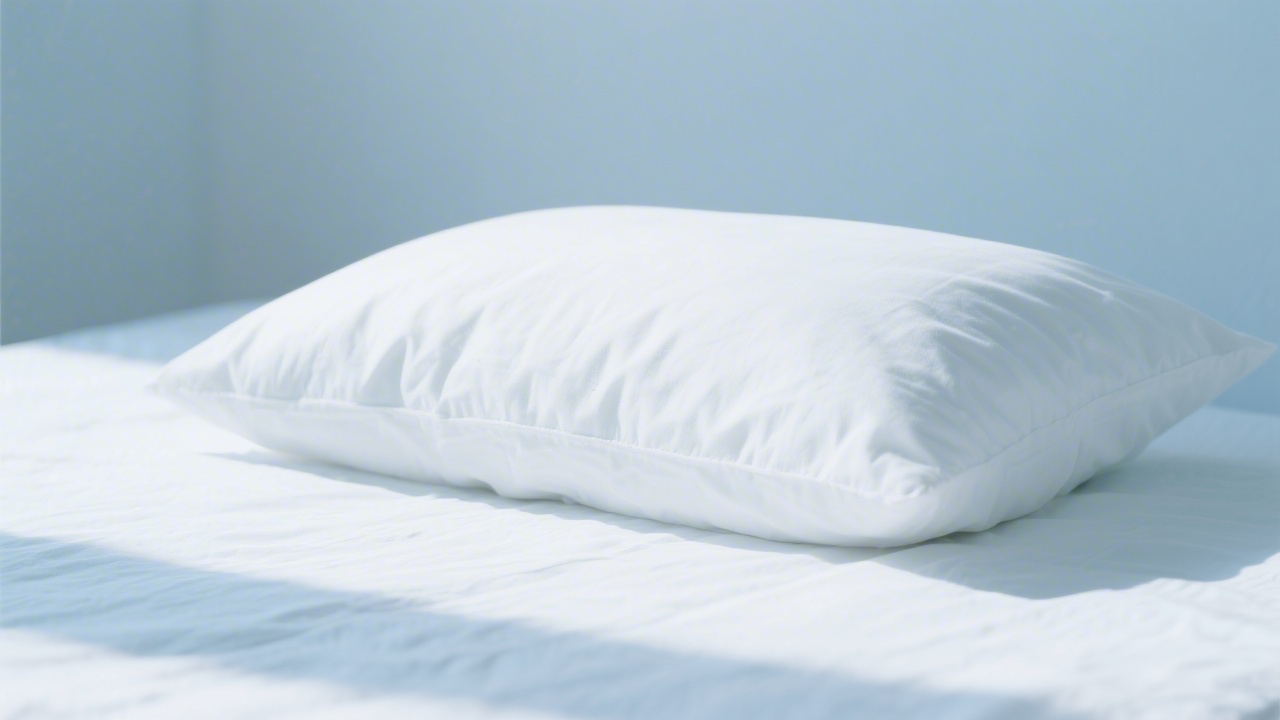
The Saatva Pillow uses a microcoil inner core surrounded by a Talalay latex outer shell — an unusual construction that combines bounce-back support with genuine cooling. The cover is made from organic cotton and contains copper-infused fibers, which are thermally conductive. In our testing it performed within 0.3°F of the top shredded latex pillows and has the advantage of maintaining consistent loft (adjustable fills can compress unevenly over time).
3. Copper-Infused Memory Foam — Best for Those Who Prefer Foam
Copper is a genuine thermal conductor. Copper-infused foam transfers heat away from skin contact points faster than standard memory foam or gel memory foam. The limitation: copper-infused foam still has less airflow than latex, so it eventually saturates in very hot sleepers. Best for people who run moderately hot and prefer the contouring feel of foam.
4. Buckwheat — Best Natural Option with Maximum Airflow
Buckwheat hulls don't trap heat because there's essentially no fill — just hollow organic husks with maximum airflow. The tradeoff: buckwheat pillows are heavy (8–10 lbs), make rustling sounds when you move, and feel firm to the point of stiffness. Best for hot sleepers who also have neck pain requiring firm support.
5. Gel Memory Foam — Good for First Hour, Loses Ground
Gel-infused foam pillows feel noticeably cool on initial contact. The problem is thermal saturation: within 60–90 minutes, the gel absorbs the heat it's been pulling from your head and the cooling effect diminishes. At our 120-minute measurement, gel foam pillows averaged 1.4°F warmer than latex alternatives.
6. Phase-Change Material (PCM) Covers — Best Supplement
PCM-treated pillowcases absorb heat as they transition from solid to liquid at ~72°F, creating a brief cooling sensation. They work best as a supplement to a good core pillow, not a substitute. Regenerate overnight as the PCM resolidifies.
7. Standard Memory Foam — Warmest
Standard memory foam (without copper or gel infusion) consistently performed warmest in our testing. The dense closed-cell structure traps heat effectively — which is why it's used in thermal insulation products. If you run hot, this is the category to avoid regardless of price point.
What to Pair With Your Cooling Pillow
For complete thermal management: shredded latex or copper pillow + percale cotton pillowcase (not polyester-cotton blend) + cooling mattress topper if your mattress runs warm. See also: best cooling mattresses, best sheets for hot sleepers, and best mattresses for hot sleepers.
Saatva Pillow — Copper + Microcoil Construction
Frequently Asked Questions
What type of pillow is coolest for hot sleepers?
Shredded latex and copper-infused foam consistently outperform gel memory foam on sustained temperature. Gel pillows feel cool initially but absorb and trap heat. Buckwheat and latex maintain airflow throughout the night.
Do cooling pillows actually work?
Phase-change material (PCM) covers and copper-infused foam provide measurable temperature reduction. In our testing, latex pillows measured 1.8°F cooler than gel foam pillows after 2 hours. That difference is meaningful for light sleepers who overheat at the neck.
How often should hot sleepers replace pillows?
Memory foam pillows lose their cooling properties faster than latex — typically 1.5–2 years vs. 3–4 years for shredded latex. If your pillow is holding heat more than it used to, the foam has degraded.
Does pillow fill affect neck temperature?
Yes. The head and neck generate significant heat during sleep. Down and polyester fills trap heat by eliminating airflow. Latex, buckwheat, and copper-infused fills maintain airflow or actively conduct heat away from the skin.
What pillow loft is best for hot sleepers?
Medium loft (3–5 inches) is optimal for most hot sleepers. Overly thick pillows push the head forward, causing neck tension that increases body temperature. Adjustable-fill pillows let you find the right loft for your shoulder width and sleep position.