
 by
by PlushBeds Organic Cotton Sheet Set
9.0/10
A clean partner recommendation for sheet comparisons, especially when the alternative is microfiber, polyester, or cheap synthetic bedding.
PlushBeds Bamboo Sheet Set
8.8/10
Choose this if the reader wants a silkier, cooler-feeling sheet instead of classic cotton.
Are you having trouble deciding between linen and cotton sheets? Both types of bedding have their benefits, but it can be hard to figure out which one is best for you. Linen sheets are breathable and durable, while cotton sheets are soft and cozy.
In this guide, we compare the two materials so you can decide which type of sheets to buy.
Linen vs. Cotton Sheets: Which Is Better?

The Yalda Sheet Set is made from 100% long-staple Egyptian cotton, making it soft, durable, and breathable.
The sheets have a subtle striped pattern that gives them a touch of elegance. They are available in four colors, so you can choose the one that matches your bedroom decor.
The Yalda Sheet Set includes a fitted sheet, a flat sheet, and two pillowcases. The fitted sheet has deep pockets accommodating mattresses up to 16 inches deep.
The flat sheet is generously sized, so you can tuck it in easily. It also has a wide hem that adds to the overall luxurious feel of the sheets. The pillowcases have a simple envelope closure that keeps your pillows in place while you sleep.
The Yalda Set is easy to maintain: machine wash in cold water and tumble dry on low heat. One thing to keep in mind is that these sheets can wrinkle easily, which is a small trade-off for their comfort and quality.
What Is the Difference Between Linen and Cotton Sheets?
Linen sheets are made from flax fibers, while cotton sheets are made from cotton fibers. Linen is well known for its breathability, making it a great option if you run hot while you sleep. Cotton is also breathable but traps more heat than linen.
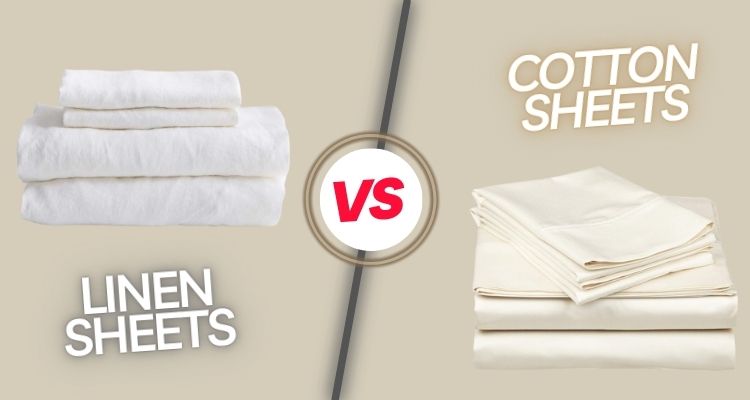
Another difference is texture. Linen has a slightly rough texture that feels crisp and cool against your skin. Cotton, on the other hand, is soft and cozy right out of the package, which is why it remains the most popular choice for bedding.
For durability, linen sheets are often considered more long-lasting than cotton. Linen is a strong fiber that withstands wear and tear well, while cotton is more prone to pilling and tearing over time.
Linen sheets should be hung to dry after washing to prevent shrinking. Cotton sheets can be machine washed and machine dried, which makes them more convenient to care for day to day.
What Is More Breathable: Cotton or Linen?
Both materials are breathable, but linen is the clear winner for airflow. Linen is made from naturally breathable flax fibers whose hollow core allows air to circulate freely, which helps regulate your body temperature while you sleep. This makes linen a strong choice if you tend to overheat at night.
Cotton is breathable but its denser fibers trap more heat than linen. This can be a drawback in hot climates or for warm sleepers. If cooling is your top priority, linen has the edge.
Does Cotton or Linen Keep You Warmer?
Cotton is denser and traps heat more effectively, making it a better choice during colder months. Cotton sheets are thicker than linen sheets, providing an extra layer of insulation when you need it.
Linen, by contrast, is a breathable material that allows air to circulate. While excellent for summer sleeping, it offers less insulation in winter. If you sleep cold, cotton is the more practical year-round choice.
Is Linen Good for Bedding?
Linen is an excellent choice for bedding. It is breathable, moisture-wicking, durable, and has a relaxed texture that adds a touch of natural luxury to your bedroom. If you sleep warm or live in a humid climate, linen is especially worth considering.
Pros and Cons of Linen Sheets
Pros:
- Highly breathable and moisture-wicking: great for hot sleepers or warm climates.
- Very durable: linen can last for many years with proper care and is less likely to tear or pill than cotton.
- Gets softer and more comfortable with every wash.
- Natural, relaxed texture that adds character to your bedding.
- Eco-friendly: made from flax, a crop that requires less water and fewer pesticides than cotton.
Cons:
- Generally more expensive than cotton sheets (roughly 2 to 3 times the cost).
- Wrinkles easily: a downside if you prefer a crisp, smooth look.
- Less insulating than cotton in colder months.
- Can be rough to the touch when first purchased, though it softens with washing.
What to Know Before Buying Linen Sheets
Wrinkling
Linen sheets wrinkle easily. Some people appreciate the relaxed, natural look; others may find it unappealing. If you prefer neat-looking bedding, factor in whether you are willing to iron or embrace the wrinkles.
Initial Roughness
Linen sheets can be rough to the touch when first purchased. They become softer with each wash, so give them a few cycles before forming a final opinion on feel.
Cost
Linen costs more upfront than cotton, but its longevity often makes it competitive on a cost-per-year basis.
Care
Linen sheets require gentle washing and should be hung or tumble-dried on low heat. Avoid bleach, which can damage the fibers.
Pros and Cons of Cotton Sheets
Pros:
- Widely available in a variety of colors, styles, and thread counts.
- Generally less expensive than linen sheets.
- Soft and comfortable right out of the package.
- Better insulation: cotton provides warmth in colder months.
- Machine washable and machine dryable: the simpler care routine.
Cons:
- Not as breathable as linen: may not suit hot sleepers in warm climates.
- Less durable than linen and more prone to pilling or tearing over time.
- Some cotton sheets may be treated with chemicals during production; check for GOTS or OEKO-TEX certification if this concerns you.
Linen vs. Cotton: Two Natural Fibers, Two Very Different Experiences
Linen and cotton are both natural, plant-based fabrics, but they offer distinctly different sleep experiences.
Linen sheets are made from flax fibers and prized for their exceptional breathability and relaxed appearance. Linen is roughly 30% stronger than cotton and becomes softer with every wash. The fabric absorbs moisture quickly and dries fast, making it outstanding for hot, humid climates.
Cotton sheets offer a smoother, more uniform feel immediately. They are available in countless thread counts and weaves, giving buyers more options at every price point. Cotton is easier to care for and wrinkles far less than linen.
Side-by-side comparison:
- Breathability: Linen wins. Its loose weave allows maximum airflow.
- Initial softness: Cotton is smoother right away; linen needs several washes to fully soften.
- Durability: Linen can last decades with proper care; cotton typically lasts 3 to 5 years before showing wear.
- Wrinkle resistance: Cotton wrinkles far less; linen wrinkles heavily.
- Price: Linen costs roughly 2 to 3 times more than comparable cotton.
- Warmth: Cotton traps more heat; better for cold sleepers. Linen regulates temperature more neutrally.
What Actually Matters When Choosing Bedding
The bedding market is full of inflated claims about thread counts and premium certifications. Here is what genuinely affects your sleep quality.
Fiber Quality Over Thread Count
Long-staple cotton at 300 thread count outperforms short-staple cotton at 1,000 thread count in softness and durability. The fiber length determines quality, not the thread number. Look for Egyptian or Pima long-staple cotton when buying cotton sheets.
Weave Type for Your Climate
Percale breathes best for hot sleepers. Sateen feels silkier but traps slightly more heat. Jersey knit is stretchy and casual. Choose based on how you sleep, not how it looks in product photos. See our guide to percale vs sateen sheets for a full breakdown.
Care Requirements
The best bedding is the bedding you actually wash regularly. If a product needs dry cleaning or special handling, you may end up neglecting it. Choose sheets with a care routine you will realistically follow.
Your Sleep Foundation Matters Too
Great sheets on a worn-out mattress will not fix your sleep. Your mattress is the foundation of every night's rest. If yours is more than 7 to 8 years old, a mattress upgrade will improve your sleep more than any sheet set. See our guide to the most comfortable bed sheets for top-rated picks at every budget, and our best cooling sheets guide if heat is your primary concern.
Our Recommendation
Linen and cotton are both excellent natural sheet materials. Choose linen if you run hot, prioritize breathability and long-term durability, and do not mind a higher upfront cost and some wrinkling. Choose cotton if you want softness right away, easier care, warmth in cooler months, and a wider range of price options.
For most sleepers, high-quality long-staple cotton percale (like the Yalda Set above) is the practical starting point: it is breathable, soft, easy to maintain, and available at a reasonable price. If you consistently overheat at night, upgrading to a quality linen set is worth the investment.