
 by
by Our pick: Saatva Classic
Consistently top-rated for construction quality and independently verified coil/foam specs.
What Is Mattress Ticking?
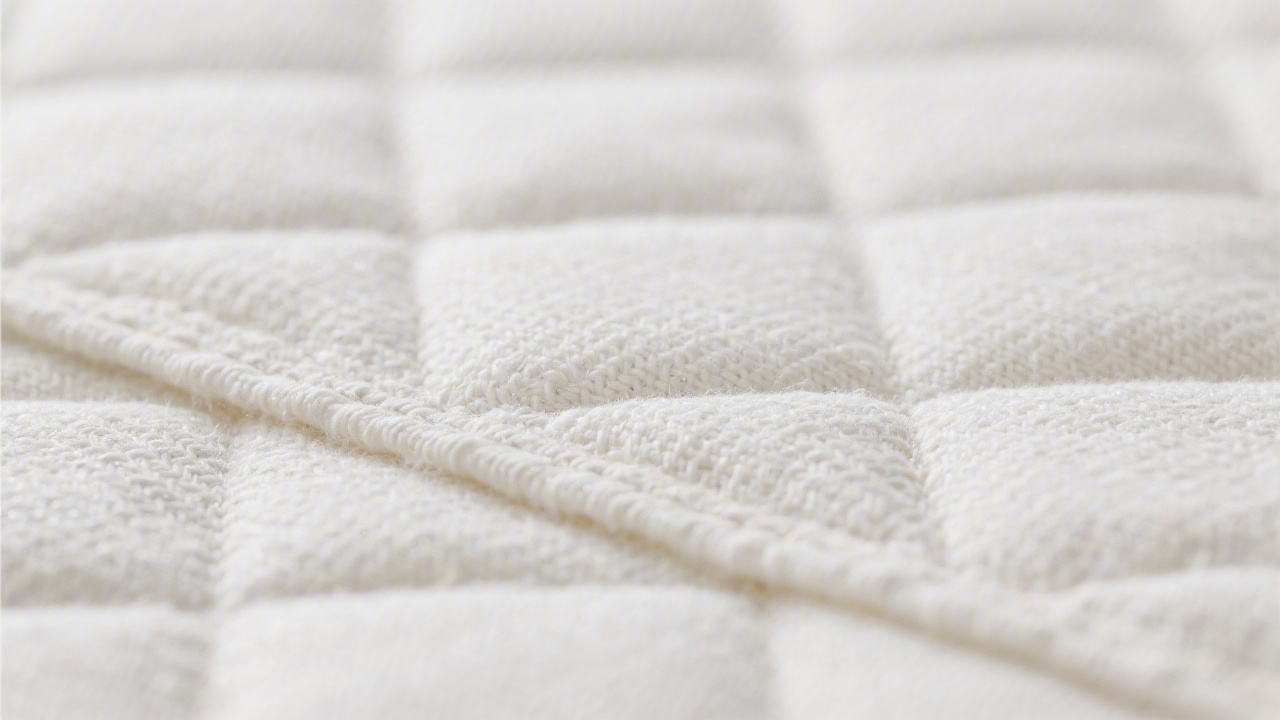
Mattress ticking is the technical term for the outer fabric cover of a mattress - the material you see and touch when you strip back the sheets. The word "ticking" comes from a Dutch word (tijk) and has been used in the textile industry since at least the 17th century, originally referring to the heavy woven cloth used to contain feathers and down in mattresses and pillows.
Modern mattress ticking is far more sophisticated than its utilitarian origins. It's engineered to affect feel, temperature, breathability, and durability - and in premium mattresses, it incorporates natural fibers, quilting, and moisture management technologies that meaningfully change how the mattress performs over time.
Ticking vs. Quilted Cover: Understanding the Distinction
In common use, "mattress ticking" often refers to the entire cover assembly. More precisely, the ticking is the outer shell fabric, while the quilted layer is the material sewn onto (or into) the ticking that creates the plush surface feel.
A mattress can have plain ticking (just the outer fabric, no quilting) or a quilted ticking (the outer fabric plus an attached comfort layer of foam, fiber, wool, or cashmere). When a brand says a mattress has a "cashmere-blend ticking," they usually mean the quilted comfort layer sewn into the ticking includes cashmere - not that the entire outer shell is woven cashmere.
Common Ticking Materials
Cotton duck: Historically the most common ticking material - a plain-woven, heavy cotton fabric with a tight weave. Durable and breathable, but relatively firm to the touch. Used in many standard and entry-level mattresses.
Knit cotton covers: A knit construction (vs. woven) creates more stretch, allowing the cover to conform more easily to comfort layers beneath. Most modern foam and hybrid mattresses use some form of cotton knit ticking because it works better with foam contouring.
Damask ticking: A woven fabric with a patterned design. Classic damask (typically cotton or polyester-cotton blend) was the standard in premium innerspring mattresses for most of the 20th century - you'll still see it in traditional hotel and luxury innerspring mattresses.
Tencel/Lyocell ticking: Increasingly common in premium hybrids and foam mattresses. Tencel ticking is noticeably softer and more moisture-wicking than cotton. It's the best option for sleepers who sleep warm.
Polyester or blended ticking: The default in budget mattresses. Durable and inexpensive, but poor breathability and temperature regulation. If a mattress listing doesn't specify the ticking material, polyester blend is the likely answer.
Weave Types and What They Mean for Feel
Ticking weave affects both durability and tactile feel:
- Plain weave (1-over-1-under): Strong, stable, minimal stretch. Used in firmer ticking for innerspring mattresses.
- Twill weave (2-over-1-under, like denim): Denser than plain weave, slightly softer. Used in higher-end cotton ticking.
- Jacquard/Damask weave: Complex pattern woven directly into the fabric. Creates a heavier, more structured ticking with moderate softness.
- Knit: Loops rather than interlaced threads - stretchy, soft, and conforming. Preferred for foam mattresses where cover flexibility aids contouring.
The Role of Ticking in Temperature Regulation
Ticking is the first line of thermal defense - or offense, for hot sleepers. A tight, dense ticking with a synthetic backing will trap significantly more heat than a loose-knit Tencel ticking with no backing. The quilted fill also matters: wool quilting conducts heat away from the body; synthetic fiber quilting retains it.
This is why identical support core mattresses can sleep very differently depending solely on their ticking construction. For a deeper look at materials, see our mattress cover materials guide and our foam types explainer.
Durability Indicators in Ticking
Frequently asked questions about this size
Our default pick at this size
Saatva Classic — King $2,199 (was $2,599, −$400)
The Saatva Classic is the most-ordered luxury hybrid on the US market and ships in every standard size. Zoned lumbar support, 365-night home trial, lifetime warranty, free white-glove delivery + old-mattress removal included.
What are the dimensions of a king mattress?
A standard king measures 76" × 80". That's the widest standard US mattress size, giving two adults 38" each, the same width as a twin XL per person.
King vs cal-king: what's the actual difference?
Standard king: 76" wide × 80" long. California king: 72" wide × 84" long. Cal-king is 4" narrower but 4" longer, better for sleepers over 6'2", worse for couples who want side-to-side space.
What room size do you need for a king?
Minimum 12' × 12' with nightstands and walking room. Under that, you're compromising walking space or nightstand depth.
Does a king mattress need a specific bed frame?
Yes. King-size frames use center support legs (at minimum one, ideally two) because the wider span needs mid-frame load distribution. Queen frames often skip center support; king frames shouldn't.
Quality ticking is double-stitched or French-seamed at the perimeter. The quilting stitches should be tight and even - loose or widely-spaced quilting shifts over time, creating lumps. The ticking should be firmly attached to the mattress body, with no tendency to slide or separate at the seam.
Brands that use organic certified materials (GOTS for cotton, GOLS for latex quilting fill) are more likely to use quality ticking throughout. Certifications don't guarantee ticking quality, but their absence on a brand that charges premium prices is worth noting.
For shopping context, see also our how to shop for a mattress guide and Euro top vs pillow top comparison.
Our pick: Saatva Classic
Consistently top-rated for construction quality and independently verified coil/foam specs.
Frequently Asked Questions
What is mattress ticking made of?
Modern mattress ticking uses cotton (plain weave, knit, or damask), Tencel, polyester blends, or wool-blend composites. Premium options use Tencel or organic cotton with wool quilting.
Is mattress ticking the same as the cover?
Technically, ticking is just the outer shell fabric. The cover assembly includes ticking plus any quilted comfort layer. In everyday usage, the terms are often used interchangeably.
Does mattress ticking affect how firm a mattress feels?
Yes. A tight woven ticking makes the mattress feel slightly firmer than a stretch knit cover over the same support layers, because knit allows foam to conform more freely.
Can you replace mattress ticking?
Not practically - ticking is integral to the construction. A quality mattress encasement is the solution for worn or damaged ticking.
What is cashmere ticking?
The quilted layer attached to the outer ticking fabric includes cashmere fibers - typically 5–15% in a blend - contributing a softer, more luxurious initial feel.