
 by
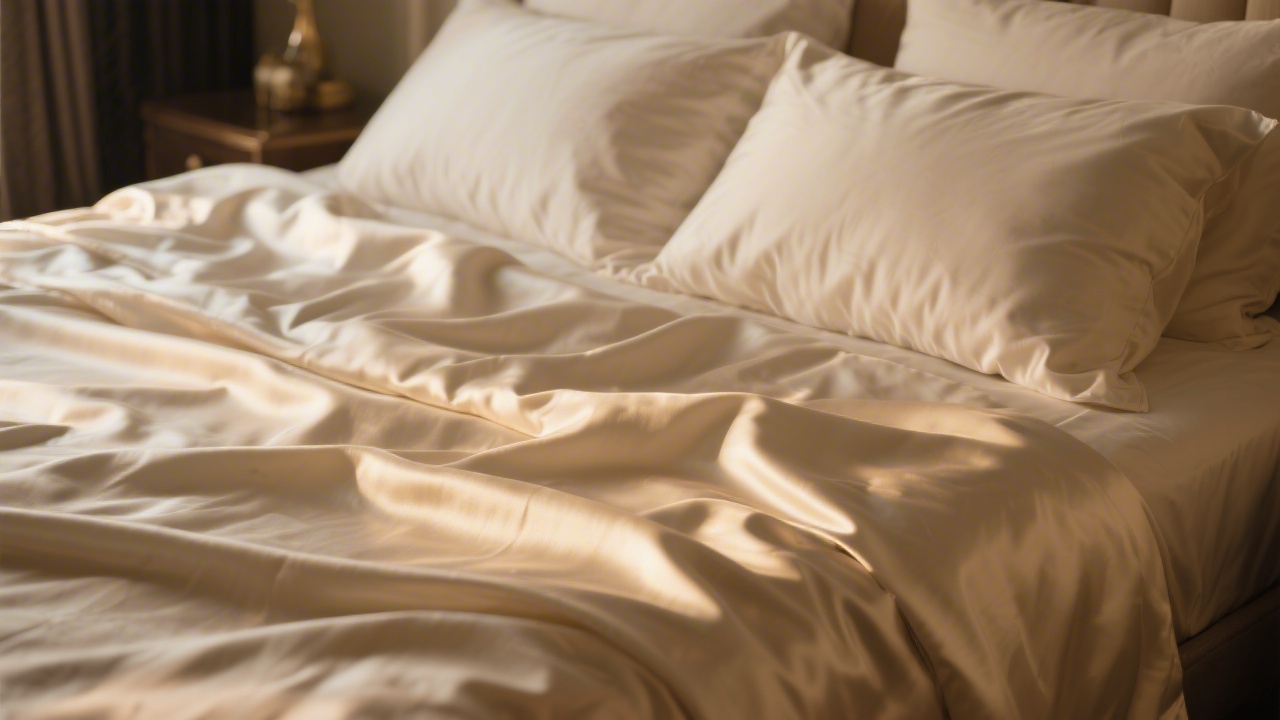
by Short answer: Sateen sheets are cotton sheets woven in a specific 4-over-1 pattern that creates a smooth, silky surface with a subtle sheen. They feel luxurious, drape beautifully, and wrinkle less than percale. The trade-off is that they sleep slightly warmer and are more delicate. For most sleepers who want that hotel-luxury feel at home, quality sateen sheets are absolutely worth the investment.
What Is the Sateen Weave?
Sateen is not a material; it is a weave structure. In a sateen weave, four weft (horizontal) threads float over each warp (vertical) thread before going under one. This exposes more of the thread surface to the top of the fabric, which is what creates that silky smooth hand feel and subtle lustrous sheen.
Compare this to a percale weave, where threads alternate strictly over-under in a 1:1 pattern. Percale creates a matte, breathable, crisp fabric. Sateen creates a denser, smoother, softer fabric. Neither is superior — they are different experiences.
Sateen vs Percale: The Key Differences
| Feature | Sateen | Percale |
|---|---|---|
| Feel | Silky, smooth | Crisp, cool |
| Sheen | Subtle luster | Matte |
| Weight | Heavier drape | Lighter |
| Breathability | Moderate | High |
| Warmth | Warmer | Cooler |
| Wrinkling | Less prone | Wrinkles easily |
| Durability | Good with care | Excellent |
| Best for | Cool or neutral sleepers | Hot sleepers |
Benefits of Sateen Sheets
1. Silky smooth surface. Sateen sheets feel noticeably smoother against skin than percale. Many people describe the feeling as similar to silk without the maintenance or cost.
2. Less wrinkling. The denser weave means sateen sheets come out of the dryer looking much smoother than percale. No ironing required for a polished bedroom.
3. Elegant drape. Sateen hangs and folds beautifully over mattress corners. It looks luxurious on a made bed.
4. Soft on sensitive skin. The smooth surface has less friction than crisp percale, which some people with sensitive skin find more comfortable.
Downsides of Sateen Sheets
Sleeps warmer. The dense weave traps heat. Hot sleepers should consider percale or linen instead.
More delicate. The floating threads on the surface can snag on rings, rough nails, or velcro. Handle with care.
Pilling over time. Low-quality sateen in short-staple cotton will pill and dull quickly. Always choose long-staple cotton (Egyptian, Supima, or Pima) for durability.
What to Look for in Quality Sateen Sheets
- Long-staple cotton: Supima, Pima, or Egyptian cotton for durability and lasting softness
- Thread count 400-600: Single-ply construction; above 600 is usually multi-ply inflation
- Single-ply yarn: Stronger and softer than multi-ply alternatives
- Combed and mercerized: These finishing processes remove short fibers and strengthen the cotton
- Deep pockets (if needed): 15 inches minimum for thick mattresses
The Saatva Sateen Sheet Set checks all of these boxes: 400 TC long-staple cotton, single-ply weave, and a proper deep pocket fit.
How to Test Before Buying: A Practical Buyer's Guide
Buying a mattress online without testing it first is now the norm -- but it does not have to be a gamble. Understanding what to look for, and how to evaluate a mattress during the trial period, significantly increases your chances of a successful purchase.
The 30-Day Rule
Your body needs time to adjust to a new sleep surface. Sleep researchers recommend giving any new mattress at least 30 nights before making a final judgment -- especially if you are coming from a worn-out mattress. Initial discomfort in the first 1-2 weeks is normal as muscles adjust to proper alignment.
Key Factors to Evaluate During Your Trial
- Morning stiffness: Does it resolve within 15-30 minutes? Persistent stiffness beyond that suggests poor support.
- Pressure points: Any tingling or numbness in hips, shoulders, or knees? Consider a softer option.
- Temperature: Do you wake up sweating or kicking off covers? Evaluate breathability.
- Motion transfer: If you sleep with a partner, can you feel them move? Test motion isolation.
- Edge support: Sit on the edge -- does it compress significantly? Important for getting in and out of bed.
When to Use the Trial Period
Do not wait until day 99 of a 100-night trial to decide. If you are experiencing consistent issues after 4-6 weeks, initiate the return or exchange process. Most premium brands -- including Saatva -- make this straightforward with free pickup and no restocking fees.
Matching Mattress to Sleeper Type
No single mattress works for everyone. As a general guide: side sleepers need softer feels (medium to medium-soft) for shoulder and hip pressure relief; back sleepers perform best on medium-firm for lumbar support; stomach sleepers need firm options to prevent lower back arch. Combination sleepers -- those who move between positions -- benefit most from responsive latex or hybrid constructions.
Frequently Asked Questions
What makes sateen sheets different from regular cotton sheets?
Sateen uses a 4-over-1 weave pattern (4 weft threads float over each warp thread) instead of the simple over-under pattern of percale. This exposes more thread surface to the touch, creating a smooth, silky feel and a subtle sheen. Regular cotton sheets made with a percale weave feel crisp and matte by comparison.
Are sateen sheets hot to sleep on?
Sateen sheets are warmer than percale because the denser weave reduces airflow. They are not excessively hot, but hot sleepers or those in warm climates often prefer percale for cooler sleep. Sateen is best suited for fall and winter use or naturally cool sleepers.
Do sateen sheets wrinkle less than percale?
Yes. Sateen's smooth surface and denser weave wrinkle less than percale. Percale creases easily and requires ironing for a crisp look. Sateen drapes smoothly and looks presentable coming straight out of the dryer.
How do I wash sateen sheets without damaging them?
Wash sateen sheets on a cool or warm gentle cycle with mild liquid detergent. Avoid hot water, which can shrink cotton and dull the sheen over time. Tumble dry on low heat and remove promptly to prevent deep wrinkles. Do not bleach or use fabric softener, which coats the fibers and reduces softness.
What is the difference between sateen and satin sheets?
Sateen is a cotton fabric woven in a satin pattern. Satin typically refers to silk or synthetic fiber sheets woven in a similar pattern. Sateen is more durable, breathable, and easier to care for than silk satin. The terms are sometimes confused, but they are different materials.