
 by
by 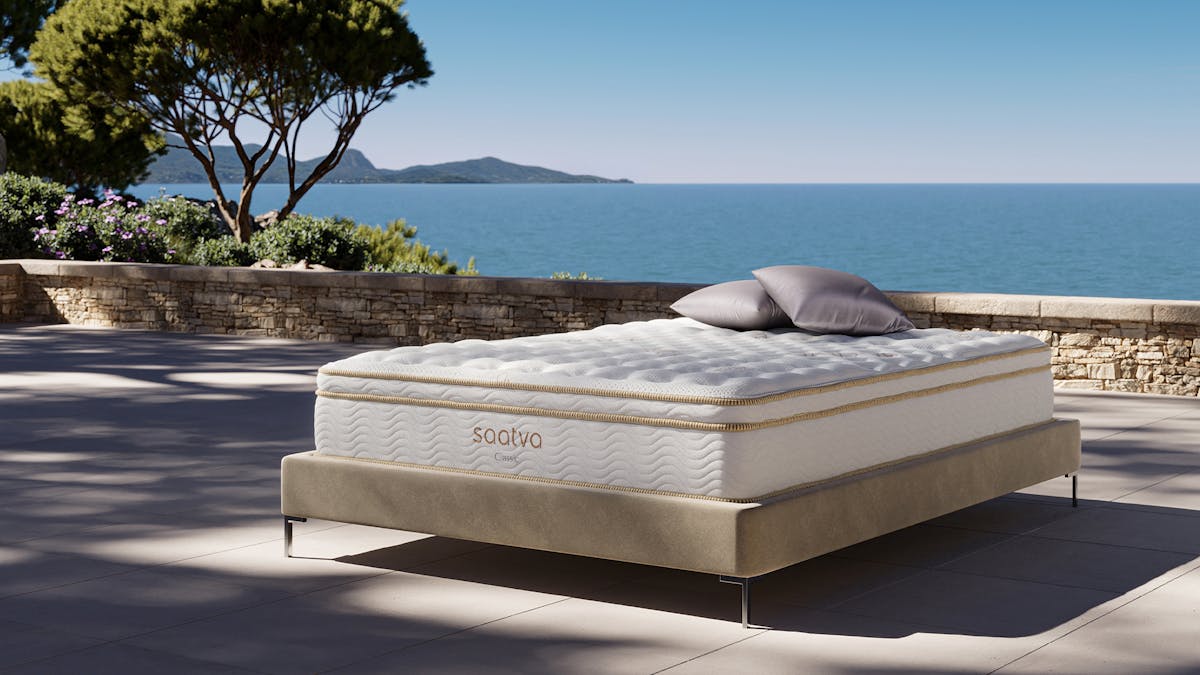
Quick verdict: Sleep inertia is the temporary fog that follows waking. It is usually stronger after insufficient or fragmented sleep and after waking from deeper sleep. The practical response is to protect total sleep time, keep a steady wake schedule, use bright morning light, and give yourself time before driving or doing safety-critical work.
I would not treat exact sleep-cycle calculations as a guaranteed fix. Sleep stages do not run on a perfectly fixed clock, and a consumer tracker cannot identify them as precisely as clinical sleep equipment. Bedtime comfort matters if pain, heat, or poor support keeps interrupting sleep, but a mattress is not a direct treatment for sleep inertia.
What Is Sleep Inertia?
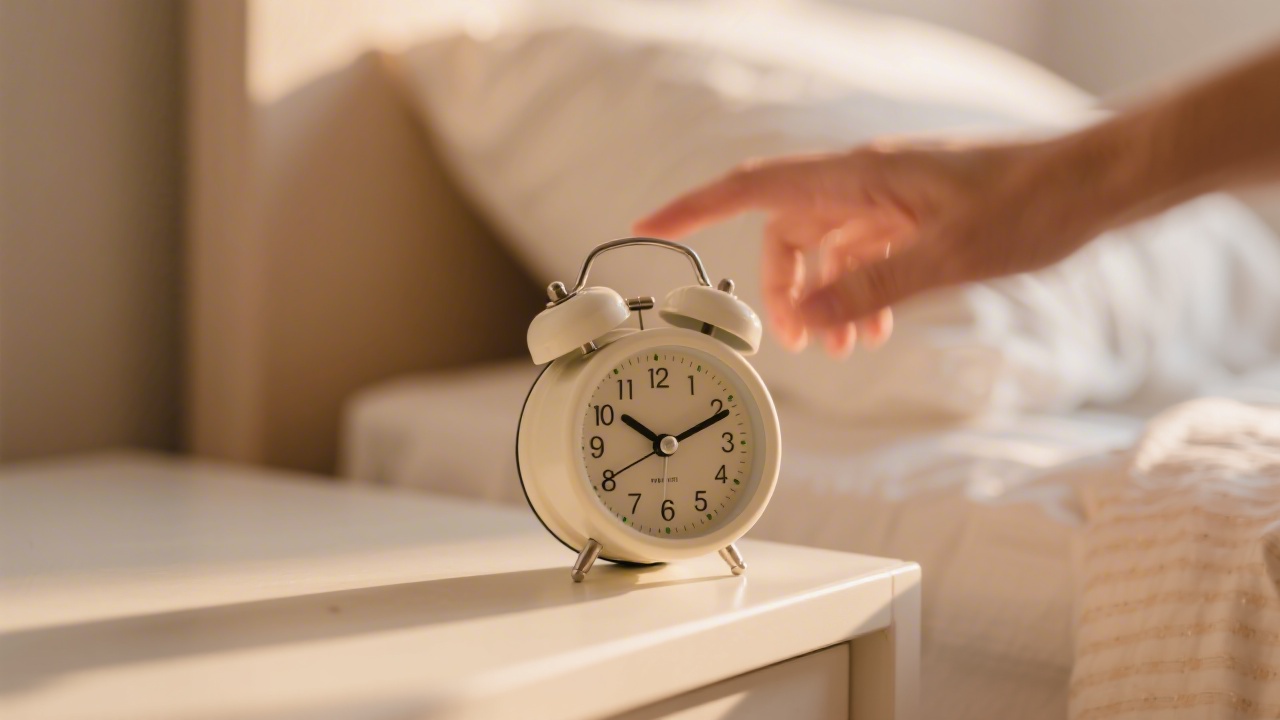
Sleep inertia is the transition period between sleep and full alertness. It can involve slowed thinking, disorientation, reduced coordination, poor short-term memory, and a strong desire to go back to sleep. In plain English, your eyes may be open before your brain is fully ready to work.
Researchers generally connect the effect with incomplete recovery of waking brain activity, sleep pressure, circadian timing, and the stage of sleep that preceded awakening. Adenosine, a chemical associated with sleep pressure, may also contribute. The biology is more complicated than a single hormone or brain-wave pattern, so claims that one trick can instantly “clear” sleep inertia deserve some skepticism.
For many people, the noticeable fog lasts around 15–30 minutes. The original research literature also describes longer impairment under conditions such as sleep loss, nighttime awakening, and waking from deep sleep. A groggy spell that regularly lasts 1–4 hours deserves more attention, particularly if it interferes with work, driving, or basic daily tasks.
What Causes Severe Sleep Inertia?
Waking From Deep N3 Sleep
Waking from N3, commonly called slow-wave or deep sleep, is associated in sleep research with stronger sleep inertia than waking from lighter sleep. That does not mean every difficult morning proves that an alarm interrupted N3. Without a clinical sleep study, the exact stage at the moment of waking is usually an estimate.
N3 is typically concentrated earlier in the sleep period. REM sleep becomes more prominent later. This general pattern helps explain why an alarm during the biological night can feel especially rough, but individual cycles vary from night to night.
You will often see sleep described as a sequence of 90-minute cycles. That figure is a useful rough average, not a timetable your brain must follow. A 6-hour sleeper is not automatically worse off than a 7.5-hour sleeper solely because one duration appears to contain a neat number of cycles. Total sleep need, circadian timing, health, and sleep continuity all matter.
Chronic Sleep Debt
Insufficient sleep raises homeostatic sleep pressure, which can make waking harder and reduce attention after the alarm. The American Academy of Sleep Medicine has consistently emphasized adequate, regular sleep as a foundation for daytime alertness. Catch-up sleep may help with some lost sleep, but it does not make a chronically short weekday schedule harmless.
If you are waking up tired despite 8 hours, look beyond the number shown on the clock. Time in bed is not always time asleep. Repeated awakenings, pain, breathing problems, medications, alcohol, circadian mismatch, and an unsuitable bedroom environment can all reduce restorative sleep.
Fragmented Sleep and Sleep Disorders
Sleep apnea can repeatedly disrupt breathing and sleep continuity. According to guidance from sleep-medicine organizations, common warning signs include loud snoring, witnessed breathing pauses, gasping, morning headaches, and excessive daytime sleepiness. Sleep inertia alone cannot diagnose apnea, but persistent morning impairment alongside those signs is a good reason to speak with a qualified clinician.
Insomnia, restless legs, circadian rhythm disorders, hypersomnolence disorders, and confusional arousals can also affect the transition to wakefulness. Some sedating medications and substances may add to morning grogginess. Do not stop prescribed medication on the strength of an article; ask the prescriber about timing, dose, and alternatives.
Circadian Timing
The circadian system helps determine when the body expects sleep and wakefulness. An alarm that rings during your biological night can produce a harder transition even if you spent a reasonable amount of time in bed. Shift workers, people with irregular schedules, and anyone dealing with jet lag may notice this effect more strongly.
A steady wake time helps anchor the body clock. Weekend sleeping-in can shift that timing and make Monday morning feel like a small dose of jet lag. The problem is not that weekend sleep is inherently bad. It is the large change in timing, especially when it follows repeated weekday sleep restriction.
Abrupt and Gradual Alarms
A loud alarm can feel stressful, but it is too strong to say that an acoustic alarm always prolongs sleep inertia through a specific cortisol or adrenaline mechanism. Alarm sound, volume, personal preference, sleep stage, and time of day can all affect the response.
Gradual-light alarms may make waking feel gentler for some sleepers, particularly when the room is dark at the required wake time. Published studies of dawn simulation and morning light suggest potential alertness benefits, but results and study methods vary. A sunrise alarm is a practical experiment, not a guaranteed treatment.
The Sleep-Cycle Timing Trick, With a Reality Check
A common strategy is to count backward from the required wake time in 90-minute blocks. If the alarm is set for 6:30 AM, a basic calculator might suggest 5:00 AM, 3:30 AM, 11:30 PM, or 10:00 PM as cycle boundaries. Most adults would not get adequate sleep from the first options, so cycle arithmetic must never take priority over sufficient total sleep.
The weak point is precision. Sleep onset varies, cycles change across the night, and awakenings alter the sequence. Even the familiar advice to allow 15 minutes for sleep onset is only an estimate. If you regularly fall asleep in less than 10 minutes, significant sleep pressure may be involved, although quick sleep onset by itself is not a diagnosis.
Use cycle timing as a loose scheduling tool. Start with enough time in bed, hold the wake time steady, and adjust bedtime based on how you function during the day. Our guide to sleep deprivation symptoms covers the broader warning signs that matter more than landing on a mathematically tidy bedtime.
Smart Alarm Approaches
- Wearable sleep trackers: Devices such as Oura Ring, Fitbit, and Garmin estimate sleep stages from movement and cardiovascular signals. A light-sleep alarm within a 30-minute wake window may feel better for some users, but consumer wearables do not directly measure brain waves and can misclassify sleep stages.
- Sunrise alarm clocks: These commonly build light over 20–30 minutes before the alarm. Morning light is a meaningful circadian cue, although the benefit will depend on light intensity, timing, room conditions, and the sleeper.
- Two-alarm method: An optional first alarm 20 minutes before the required wake time can create a gentler transition, followed by a hard deadline alarm. For people who repeatedly fall back asleep, this can turn into an extended snooze routine and may work worse than one consistent alarm.
- Alarm placement: Putting the alarm beyond arm’s reach can stop automatic snoozing. It does not change sleep biology, but it forces enough movement to make returning to bed a deliberate choice.
How to Recover Faster After Waking
Once awake, I would focus on simple cues that support alertness rather than a complicated morning stack.
- Get bright light: Outdoor daylight is a strong signal to the circadian system. A 10,000-lux light box is another option, but follow its instructions and seek medical guidance if you have an eye condition, bipolar disorder, or take a light-sensitizing medication.
- Move: About 5–10 minutes of walking or light activity may help you feel more alert. The evidence supports movement as a general alerting behavior, but claims that it directly “clears delta-wave residue” are more precise than the research justifies.
- Use cool water if it helps: Water on the face and hands can feel refreshing. It should be treated as a comfort and alerting cue, not as a proven way to switch off sleep inertia.
- Give demanding tasks a buffer: If possible, avoid driving, operating equipment, making major decisions, or handling emergency work immediately after being awakened from deep sleep.
- Use caffeine thoughtfully: Caffeine can improve alertness, including after naps, but the widespread rule that everyone must delay coffee for 90 minutes is not firmly established. Timing should account for sensitivity, bedtime, medical conditions, and the risk that late caffeine will disrupt the next night’s sleep.
For the longer view, protect sleep continuity and learn how normal stages differ. Our explanation of deep sleep vs REM separates the roles of these stages, while the guide to improving sleep quality covers practical interventions.
Could the Mattress Be Contributing?
A mattress does not directly control sleep inertia. That distinction matters. However, a sleep surface that causes pressure discomfort, poor spinal support, overheating, or repeated position changes may contribute to fragmented sleep. In that indirect situation, replacing a worn or unsuitable mattress can address one source of disruption.
My materials-first check is straightforward. Look for visible sagging, softened foam under the hips, coils that no longer hold the body level, and comfort layers that trap enough heat to wake you. Also check the pillow, room temperature, noise, alcohol use, and possible breathing symptoms before blaming the bed alone.
Amerisleep describes the AS3 as using plant-based Bio-Pur foam and markets it as sleeping cooler than conventional memory foam. Per the manufacturer, the offer shown on this page is $500 off every mattress, with a 100-night trial and 20-year warranty. Those are brand-provided product and policy claims, not evidence that the mattress treats sleep inertia.
The Saatva Classic uses an innerspring-hybrid construction with a Euro pillow top and zoned lumbar support, according to Saatva. That build may suit sleepers who prefer a more buoyant surface and reinforced midsection support. It is still a comfort product, not a medical treatment or a reliable way to change sleep architecture.
How I Would Troubleshoot Persistent Morning Grogginess
- Stabilize the schedule: Keep bedtime and wake time reasonably consistent, including on weekends.
- Allow enough sleep: Do not shorten the night merely to hit a predicted 90-minute boundary.
- Track patterns: Note bedtime, estimated sleep onset, awakenings, alarm time, medications, alcohol, caffeine, and how long the fog lasts.
- Check the sleep environment: Address heat, noise, light, uncomfortable pressure points, and inadequate support.
- Screen for warning signs: Pay attention to snoring, gasping, breathing pauses, uncontrollable daytime sleepiness, morning headaches, or confusion that creates a safety risk.
- Seek clinical advice when needed: Bring the pattern record to a primary-care clinician or sleep specialist rather than trying to diagnose the cause from an alarm app.
If discomfort appears to be breaking up sleep, the Saatva Classic is one construction option to compare. According to the manufacturer, its design combines coils, zoned support, and a Euro pillow top. The useful question is whether those materials fit your body and comfort needs, not whether the mattress claims to cure morning fog.
Frequently Asked Questions
Is severe sleep inertia a sleep disorder?
Not usually. Sleep inertia is a normal transition, but extreme or persistent episodes may overlap with conditions described as sleep drunkenness or confusional arousals. If it regularly takes more than 1–2 hours to function, or the confusion causes significant impairment, consult a sleep-medicine professional.
Does snoozing make sleep inertia worse?
It can. A typical 9-minute snooze is too short for a complete sleep cycle, and repeated alarms can fragment the final part of sleep. The response is not identical for everyone, but if multiple snoozes leave you foggier, one alarm paired with immediate light and movement is the cleaner approach.
Why is sleep inertia worse on weekends?
Sleeping later can shift wake time into a different circadian phase, particularly after an inconsistent week. It may also mean waking from a different sleep stage. I would not assume deep N3 sleep is always the cause. The larger clue is often the contrast between weekday sleep restriction and weekend timing.
Can supplements reduce sleep inertia?
Evidence for supplements specifically treating sleep inertia is limited. Research has examined caffeine taken before a short nap, sometimes called a nap-puccino, because the stimulant begins working around the time the person wakes. That does not make caffeine before nighttime sleep sensible, and it may worsen sleep quality.
Is sleep inertia dangerous?
For most people, it is unpleasant rather than dangerous. It becomes a safety issue when someone must drive, perform surgery, fly, respond to an emergency, or operate equipment immediately after waking. Occupational fatigue research has documented impaired performance after abrupt nighttime awakenings, so safety-critical workplaces should use formal alertness procedures.
Can a mattress cure sleep inertia?
No. A mattress cannot cure sleep inertia or guarantee a particular sleep stage at wake-up. A better-matched surface may help only when discomfort, heat, or inadequate support is fragmenting sleep. Persistent or severe symptoms call for a broader health and sleep assessment.
Are smart alarms accurate?
They can be useful scheduling tools, but their sleep-stage readings are estimates. Wearables infer stages from signals such as movement and heart rate, while clinical sleep studies also measure brain activity and other physiological data. Judge a smart alarm by whether mornings improve consistently, not by assuming every stage label is exact.
A Materials-Based Mattress Option
If your troubleshooting points specifically to the bed, focus on construction and suitability. The Saatva Classic is a coil-forward hybrid with a cushioned Euro pillow top and zoned lumbar support, based on the manufacturer’s specifications. Saatva also advertises a 365-night trial, free white glove delivery, and a lifetime warranty. Confirm the current terms with the manufacturer before ordering.
The Nut’s take: Consider it for support and ease of movement if those qualities match your needs. Do not buy it on the promise that a mattress will eliminate sleep inertia. Fix schedule problems, investigate possible sleep disorders, and remove other causes of fragmented sleep at the same time.