
 by
by Recommended: Saatva Mattress Pad — Easy to Clean, Built for Real Life
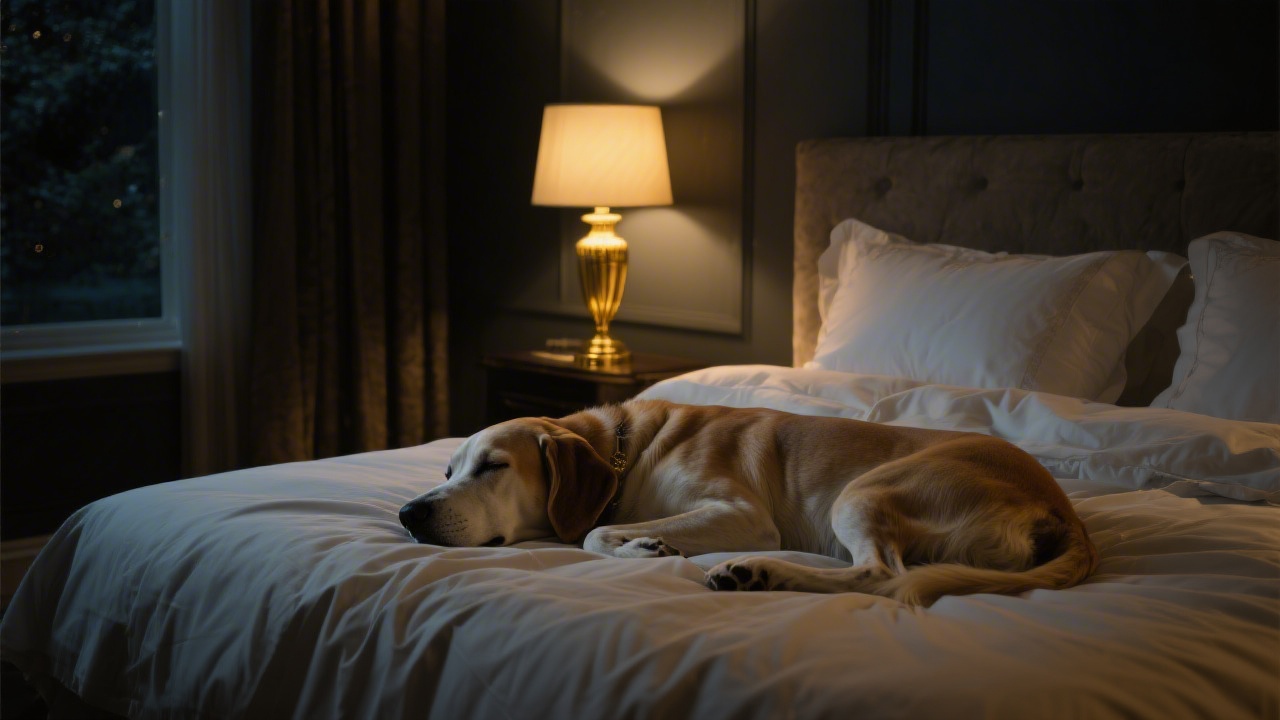
More than half of American pet owners share their bed with a dog or cat. It's one of those habits that develops naturally — and one that researchers have studied with surprisingly mixed results. The answer, as with most sleep questions, is: it depends.
What the Research Actually Shows
A 2017 Mayo Clinic study found that people who slept with dogs in the bedroom (not necessarily in the bed) maintained good sleep efficiency — around 83%, compared to 80% for those sleeping alone. However, dogs in the bed itself reduced sleep efficiency slightly. A separate study from the same institution found that 20% of pet owners rated their pets as disruptive.
The psychological benefits are more consistent. Pet presence during sleep is associated with reduced anxiety, lower cortisol levels, and a stronger sense of security — particularly for people living alone or those with PTSD. For many owners, these benefits outweigh the occasional disruption.
The Real Disruption Mechanisms
Dogs and cats disrupt sleep through four main channels:
- Movement: Repositioning during the night, especially in larger breeds, creates physical disturbance.
- Sound: Snoring, licking, scratching — even quiet sounds register during light sleep stages.
- Temperature: Pets add body heat, which can push a sleeping environment above the optimal 65–68°F range.
- Allergens: Dander accumulates in bedding regardless of whether symptoms are obvious during the day.
Allergen Considerations
Even people without diagnosed pet allergies can experience sub-clinical irritation from dander — nasal congestion, mild eye irritation, or slightly disrupted breathing — that reduces sleep quality without producing obvious allergy symptoms. Dander settles into mattress fabric and is difficult to remove once embedded. A washable mattress pad creates a washable barrier layer that can be laundered weekly.
For those with diagnosed pet allergies who still choose to co-sleep (a surprisingly common combination), HEPA air filtration in the bedroom and a mattress encasement are the two highest-impact interventions.
How to Minimize Disruption Without Banishing Your Pet
The most effective strategies work with your pet's natural behavior rather than against it:
- Designate a specific spot: A pet bed at the foot of your mattress keeps them close without full-bed sharing. Most pets adapt within a week with consistent reinforcement.
- Exercise timing: A dog walked or played with 60–90 minutes before your bedtime sleeps more deeply and moves less.
- Temperature management: Keep the room cooler to compensate for the added body heat from a pet.
- Washable barrier: A quality mattress pad catches dander, hair, and occasional accidents. Look for one with a waterproof layer and a soft quilted surface that washes at high heat.
- Consistent routine: Pets adapt to your sleep schedule when bedtime is predictable. Irregular schedules create restlessness in animals too.
When to Reconsider Co-Sleeping
There are situations where co-sleeping genuinely isn't working and a transition makes sense: if you're consistently waking more than three times per night, if allergy symptoms are worsening, if a new baby or partner has joined the household, or if your pet is showing signs of resource guarding around the bed. In these cases, a gradual transition — starting with a pet bed in the room — is more successful than abrupt removal.
The internal link worth reading alongside this: if you're dealing specifically with hair and dander accumulation, see our guide to removing pet hair from a mattress. For those considering whether a dedicated pet sleeping solution would help, the dog bed vs mattress question is worth working through.
The Bottom Line
Co-sleeping with pets is neither inherently harmful nor universally beneficial. The research supports it working well when: the pet is well-exercised, the bedroom temperature is managed, allergen accumulation is controlled, and the pet has a consistent spot. For the majority of owners, the emotional benefits are real and measurable. The disruption is manageable with a few deliberate adjustments.
The practical infrastructure that makes co-sleeping sustainable — beyond training — is a mattress surface that's easy to keep clean.
Frequently Asked Questions
Is it unhealthy to sleep with pets in the bed?
For most healthy adults without allergies, no. The primary risks are sleep disruption from movement and allergen accumulation. People with diagnosed pet allergies, respiratory conditions, or compromised immune systems should weigh those factors more carefully.
Does sleeping with a pet improve sleep quality?
For some people, yes — particularly those with anxiety or who live alone. The sense of security and physical warmth can reduce the time it takes to fall asleep. But this benefit varies significantly by individual and by the specific pet's behavior at night.
How much does a pet actually disrupt sleep?
Mayo Clinic research suggests dogs in the bed (not just the room) reduce sleep efficiency by a few percentage points on average. In practical terms, this means a few more brief awakenings per night — often not consciously registered but measurable with sleep tracking devices.
What type of mattress is best if you sleep with pets?
Look for a mattress with a durable cover that resists claw snags, combined with a washable mattress pad. The pad does the practical work — it catches dander and hair and can be laundered weekly, protecting the mattress surface underneath. See our pet-friendly mattress guide for specific options.
Should I let my pet sleep in my bed every night?
Consistency is generally better than inconsistency. Alternating creates confusion for the pet and doesn't give you accurate data on how it affects your sleep. If you're testing whether it improves or disrupts your sleep, give it a consistent two-week trial before drawing conclusions.
Recommended: Saatva Mattress Pad — Easy to Clean, Built for Real Life